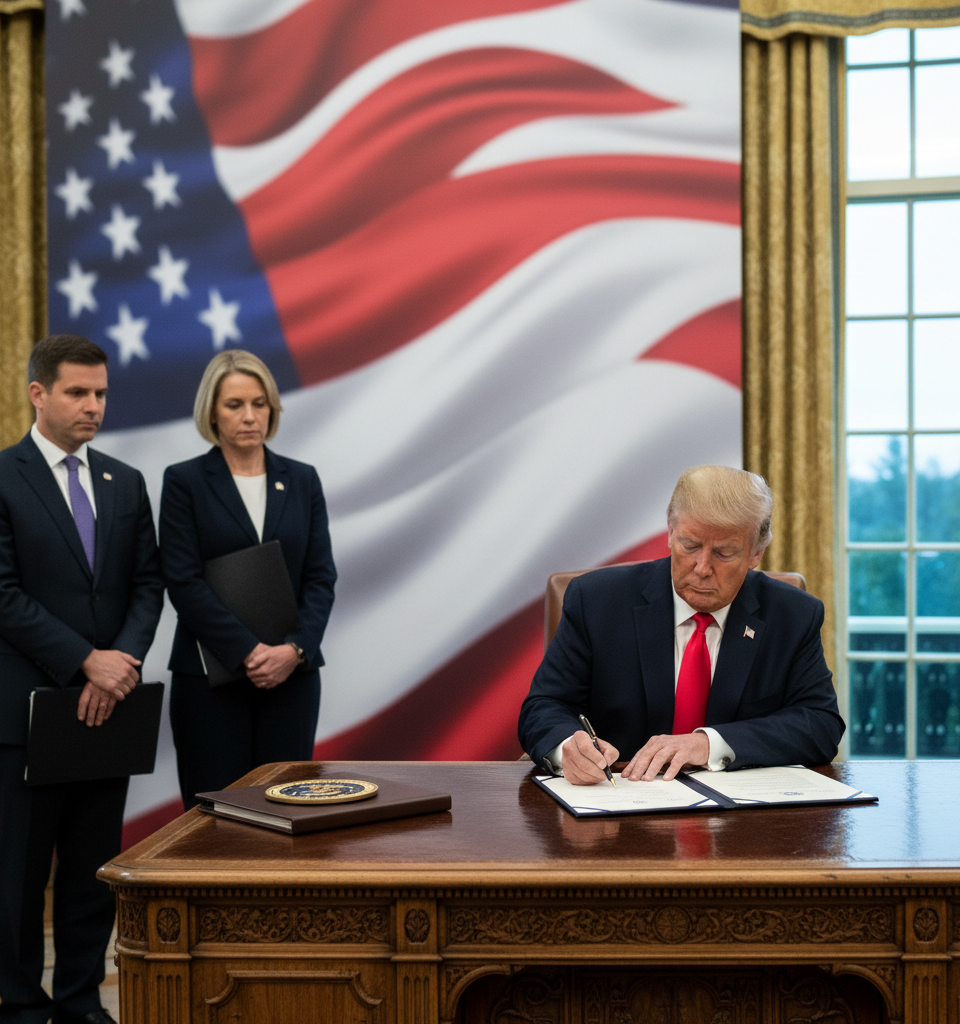
WASHINGTON D.C. – The Trump administration has officially allowed federal foreclosure moratoriums to expire, a move poised to reshape the U.S. housing market. Effective this week, the cessation of these protections, which shielded millions of homeowners from foreclosure during the economic turbulence of the COVID-19 pandemic, is raising concerns among housing advocates and market analysts about a potential surge in properties entering the distressed sales pipeline. This development draws a line under crisis-era policies and transitions the focus towards the economic recovery without these specific safeguards.
Context and Background
The federal foreclosure moratoriums, initially enacted in March 2020 under the CARES Act and subsequently extended, were a cornerstone of the government's response to the economic fallout from the pandemic. These measures aimed to prevent a catastrophic wave of foreclosures as unemployment soared and many homeowners faced financial hardship. They primarily applied to federally backed mortgages, including those guaranteed by FHA, VA, USDA, and Fannie Mae and Freddie Mac. While the core forbearance programs offered by these entities often allowing up to 18 months of paused payments, remain available for those who entered them before the deadlines, the outright ban on initiating foreclosures has now concluded, exposing a segment of the market to potential default actions.
Key Details and Specifics
President Trump's administration chose not to renew the broader federal foreclosure and eviction moratoriums before their expiration., which are backed by federal agencies or government-sponsored enterprises. According to the Mortgage Bankers Association, as of late July, nearly 2 million homeowners remained in forbearance programs, with a significant number having exhausted or nearing the end of their maximum forbearance periods.
Critics of the decision argue that ending the moratoriums prematurely could disproportionately affect low-income households and minority communities, who have often borne the brunt of the pandemic's economic impact. However, proponents contend that the economy is sufficiently recovering, and continuing such broad protections could artificially inflate housing prices and create disincentives for borrowers to resume payments.
Industry and Market Impact
The real estate industry is now grappling with the potential ramifications. A sudden increase in foreclosed properties could lead to an expansion of inventory at a time when the housing market has experienced unprecedented appreciation and limited supply. While some analysts believe the market is robust enough to absorb an uptick in distressed sales without a major price correction, others fear localized downturns, particularly in areas with higher concentrations of at-risk homeowners. Real estate agents are likely to see a shift in market dynamics, potentially leading to more investor activity targeting foreclosed assets. Lenders, too, are preparing for increased workload in managing defaults and foreclosures.
Expert Perspective
Economists and housing market analysts offer mixed perspectives. Dr. Tendai Mwale, a senior economist at Real Estate Trends Group, commented, "While we're unlikely to see a 2008-level collapse, the expiration of these moratoriums introduces a new layer of risk.
We could see a significant regional disparity in foreclosures, particularly in employment-sensitive areas. " Conversely, David Chen, CEO of Property Finance Advisors, noted, "The market has been incredibly resilient. With record-low interest rates and high buyer demand, any increase in inventory from foreclosures might be quickly absorbed.
" He emphasized the importance of homeowner education regarding available loss mitigation options.
What's Next: Future Implications
The immediate future will see increased pressure on homeowners exiting forbearance programs. Many will face the decision of negotiating repayment plans, selling their homes, or potentially facing foreclosure proceedings. State and local governments may step in with their own initiatives to mitigate foreclosures, but a unified federal approach is now absent. For lenders, the focus shifts to delinquency management and loss mitigation strategies. The long-term implications will depend on the strength of the economic recovery, particularly job growth, and whether homeowners can regain financial stability. Housing advocates are urging for continued support programs and counseling services to help distressed borrowers navigate these challenges, aiming to minimize the societal impact of potential foreclosures over the coming months.