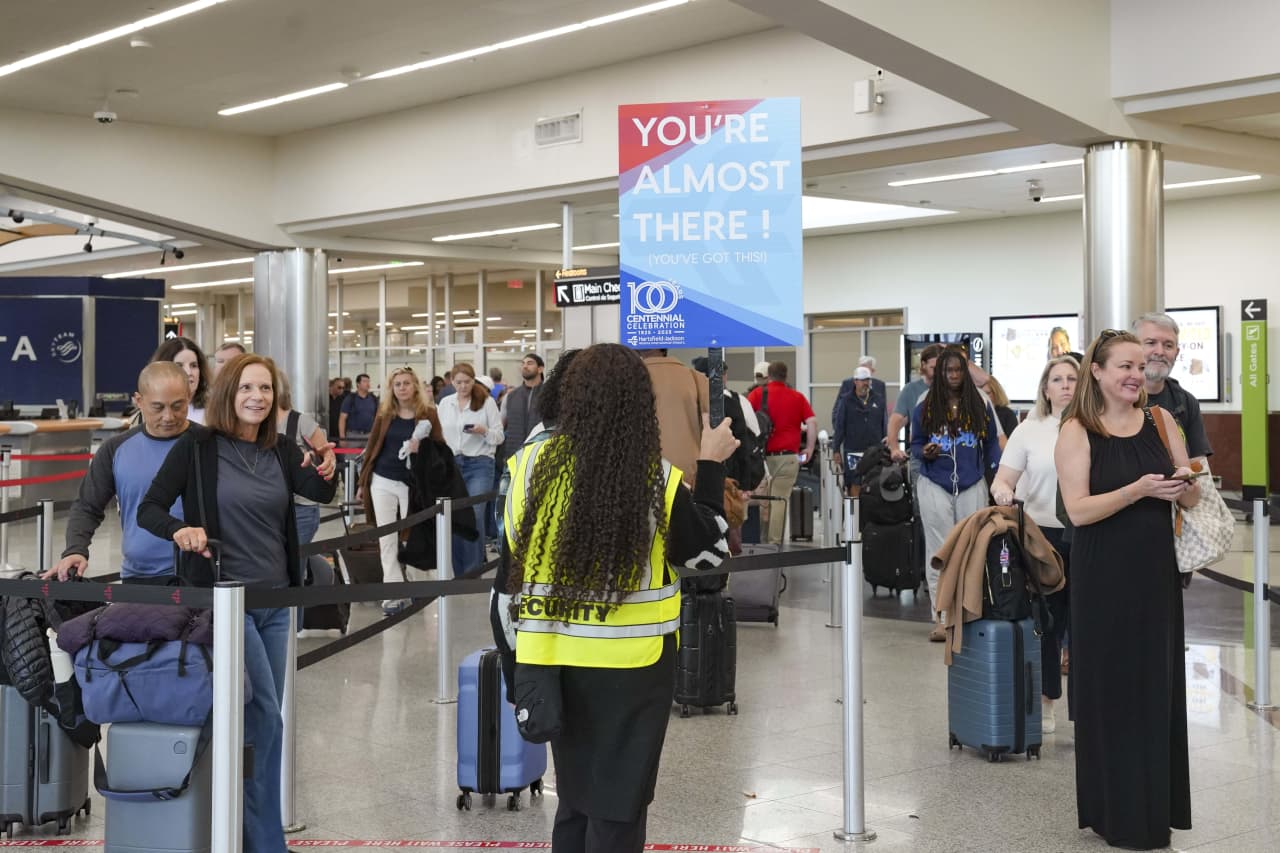
Washington D.C. — In a significant development aimed at mitigating the operational impact of the ongoing partial government shutdown, the Trump administration is reportedly exploring avenues to provide compensation to Transportation Security Administration (TSA) officers who have continued to work without pay. Multiple published reports indicate that officials are scrambling to identify a legal and viable mechanism to deliver paychecks to the approximately 51,000 unfurloughed TSA employees, a move that could avert potential air travel chaos and address growing morale issues among the critical workforce.
This consideration comes as the federal government enters its third week of a partial shutdown, primarily stemming from a dispute over funding for a border wall. The unprecedented duration has left hundreds of thousands of federal employees without their regular salaries, with 'essential' personnel, including TSA agents, forced to work without immediate compensation. The situation has raised significant concerns about the stability of critical government services and the well-being of affected workers, leading to increasing pressure on the White House to find a resolution.
Key details emerging from the discussions suggest that the administration is weighing several options, though specifics remain fluid. One possibility under consideration, according to sources familiar with the deliberations, involves utilizing existing agency funds or emergency allocations, if legally permissible, to provide a temporary bridge for salaries. The challenge lies in navigating the strictures of federal appropriations law, which typically prohibits agencies from expending funds without congressional authorization. The lack of pay has already led to a reported increase in TSA agent sick calls, with some airports experiencing longer-than-usual security lines, although the agency maintains that impact has been minimal thus far. Reports indicate that some officers have begun to seek alternative employment or utilize food banks to cope with the financial hardship.
The broader implications for the transportation sector are profound. A sustained period of uncompensated work risks a significant reduction in the available TSA workforce, either through attrition or increased absenteeism, directly impacting airport throughput and passenger wait times. This could cascade into widespread flight delays and cancellations, crippling air travel during what is typically a busy period. Airlines for America (A4A), the industry trade organization, has voiced concerns, emphasizing the critical role of TSA in maintaining an efficient and secure air travel system. The industry could face substantial economic losses if airport operations are severely compromised.
Industry experts and labor analysts have largely welcomed the administration's reported efforts, albeit with caveats. “While any move to pay these essential workers is a positive step, it underscores the fragility of government operations when appropriations are held hostage,” commented Dr. Emily Carter, a labor economist at George Washington University. “The long-term solution isn't temporary workarounds, but a stable, funded government. Furthermore, this situation highlights the significant pay disparity within the federal workforce, as many TSA agents are already among the lower-paid federal employees.” Unions representing federal workers, including the American Federation of Government Employees (AFGE), have been vocal opponents of the shutdown, demanding an immediate end to the impasse and full retroactive pay for all affected employees.
Looking ahead, the success of the administration's reported plan hinges on its legal feasibility and actual implementation. Should a method for payment be established, it could provide temporary relief to the affected TSA workforce and potentially ease immediate operational concerns at airports. However, it does not resolve the underlying appropriations dispute that continues to paralyze parts of the federal government. The political standoff between the White House and Congress shows no immediate signs of abating, suggesting that while a solution for TSA pay might be found, the broader implications of the shutdown will continue to impact numerous other federal agencies and their employees in the coming weeks.