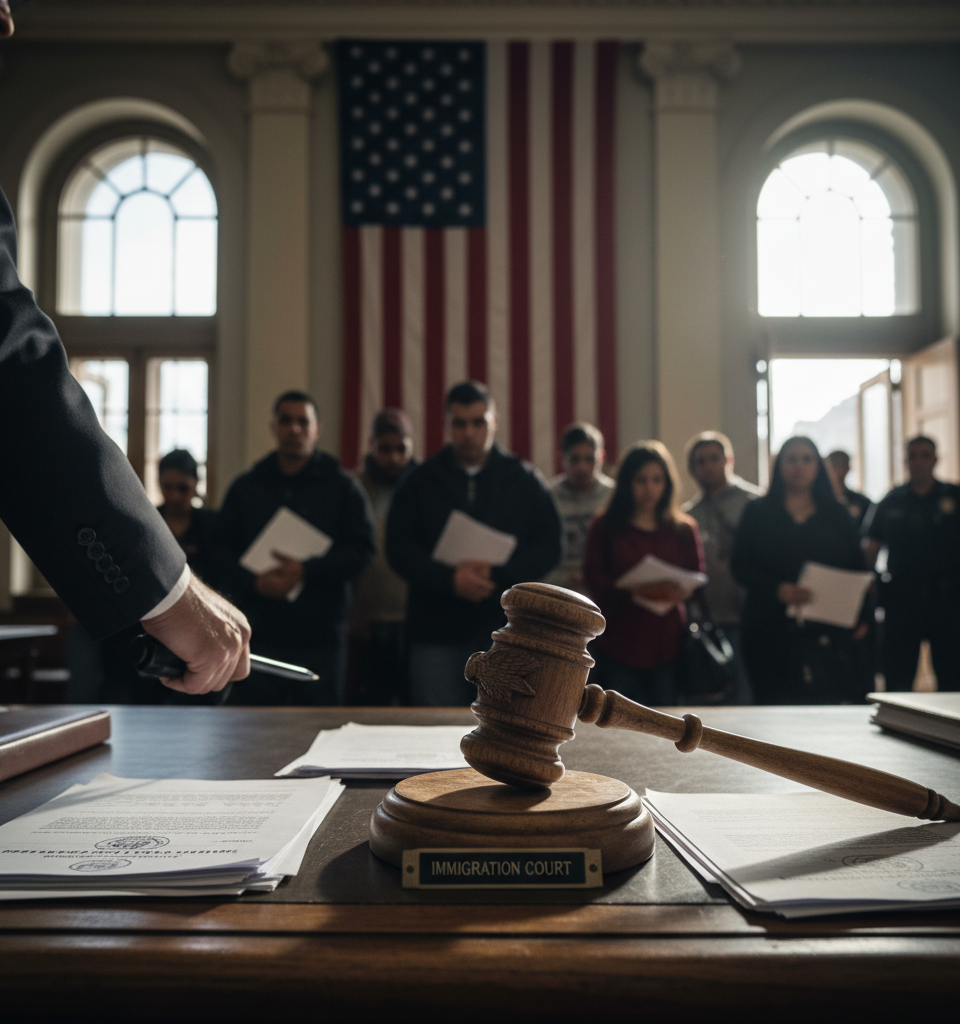
WASHINGTON D.C. – The Trump administration systematically purged immigration judges and exerted significant pressure on the remaining judiciary, resulting in an unprecedented surge in deportation orders, according to a recent analysis. This aggressive overhaul of the immigration court system, primarily orchestrated by the Department of Justice (DOJ), effectively created a climate where judges faced intense scrutiny and potential termination if their rulings were perceived as impeding the administration's hardline immigration agenda. This campaign significantly reshaped the judicial landscape for asylum seekers and undocumented immigrants, drastically altering the trajectory of thousands of lives and eroding trust in the impartiality of immigration proceedings.
Context and Background: A Policy
Shift towards Expedited Removals
This strategic restructuring did not occur in a vacuum but rather within the broader context of the Trump administration's "zero tolerance" immigration policies. From its inception, the administration prioritized increased border security, reduced legal immigration, and expedited deportations. The immigration courts, historically overseen by the DOJ and not Article III federal courts, became a focal point for reform. The administration argued that these courts were bogging down with backlogs, impeding efficient enforcement. Critics, however, contend that the changes went far beyond efficiency, aiming instead to stack the courts with judges more amenable to approving deportation orders, effectively turning them into administrative rubber stamps rather than impartial arbiters of justice.
Key Details: Performance Metrics and Judicial Turnover
The pressure on judges manifested in various ways, most notably through the implementation of performance metrics. Immigration judges, whose primary role is to adjudicate complex cases often involving life-or-death decisions, were subjected to quotas requiring them to complete a certain number of cases annually. Judges expressed concerns that these quotas prioritized speed over thoroughness and due process. Data from the Executive Office for Immigration Review (EOIR), the DOJ agency overseeing immigration courts, indicated a notable increase in the number of judges being fired or resigning under duress. Between 2017 and 2020, there was a statistically significant uptick in judicial turnover, with many departing judges citing political interference and an unbearable work environment. One former judge, speaking anonymously due to fear of reprisal, stated, "We were explicitly told that if our caseload completion rates didn't meet targets, our careers were on the line. The message was clear: deport or be replaced."
Industry and Market Impact: Strain on Legal Aid and Resettlement Services
The accelerated pace of deportations had ripple effects across various sectors. Legal aid organizations, already stretched thin, faced an overwhelming demand for representation as individuals navigated complex, high-speed legal processes. Many struggled to provide adequate counsel within the constricted timelines imposed by the courts. Non-profit organizations specializing in refugee resettlement and immigrant integration also saw their resources strained, as deported individuals often left behind families or faced precarious situations in their countries of origin. The economic impact included potential labor shortages in certain sectors that rely on immigrant labor, though comprehensive data on this specific impact remains under analysis.
Expert Perspective: Erosion of Due Process and Judicial Independence
Legal scholars and human rights advocates have largely condemned these judicial interventions, arguing they represent a severe blow to the principles of due process and an alarming erosion of judicial independence. "The very foundation of a fair legal system rests on the ability of judges to make decisions free from political coercion," notes Dr. Elena Rodriguez, a professor of constitutional law at [Prestigious University]. "What we observed was a deliberate campaign to politicize the judiciary, turning judges into mere instruments of executive policy rather than impartial arbiters of justice. This sets a dangerous precedent for future administrations and undermines the rule of law." The American Bar Association, alongside other legal groups, voiced strong objections, emphasizing that immigration judges should not be perceived as government prosecutors but as neutral decision-makers.
What's Next: Reversals, Reforms, and Lingering Effects
With the change in presidential administrations, there has been a noticeable shift in rhetoric and policy regarding immigration courts. The Biden administration has indicated a desire to restore judicial independence and address the backlog through increased resources rather than punitive performance metrics. However, the effects of the previous administration's policies are deeply entrenched. Thousands of individuals were already deported, and the perception of a politicized judiciary will take considerable effort to reverse. Future developments will include potential reforms to the EOIR structure, increased funding for legal representation for immigrants, and ongoing legal challenges to previous deportation orders. The long-term implications for trust in the U.S. immigration system and the rights of future immigrants remain a critical area of concern and ongoing scrutiny.