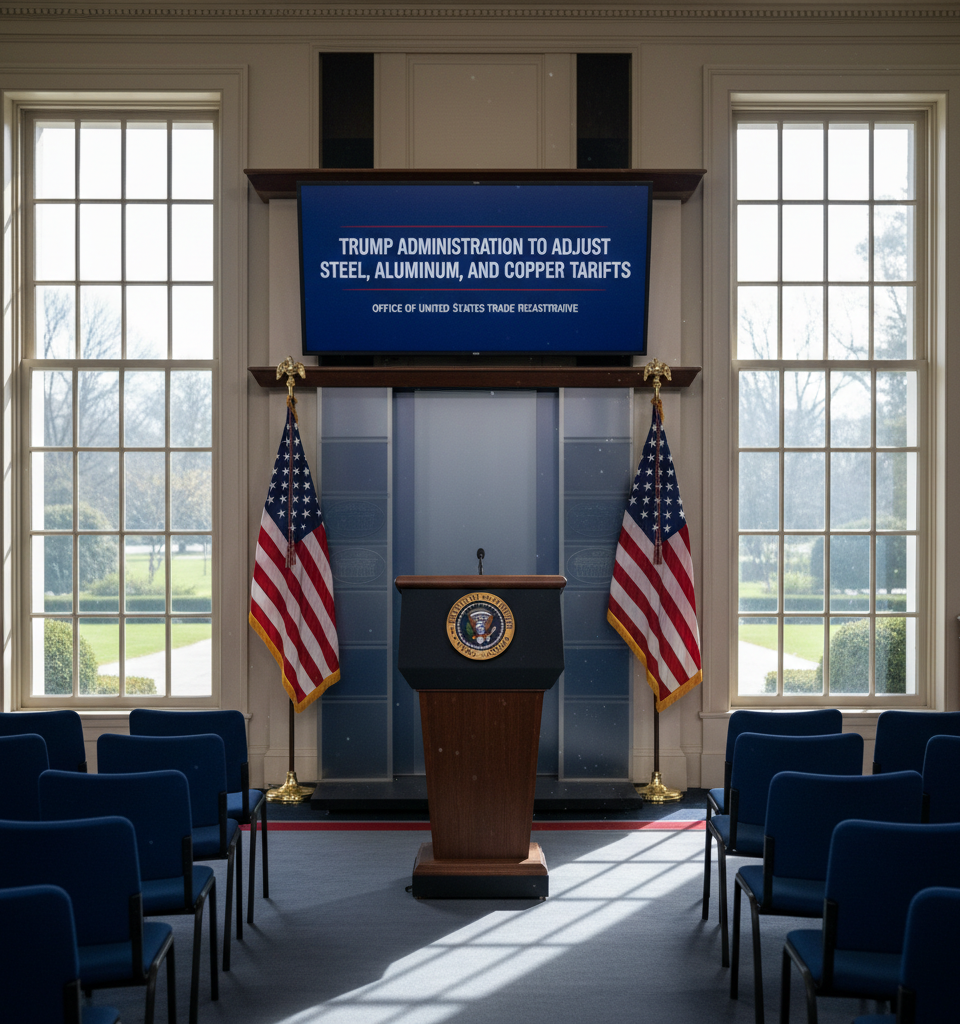
The Trump administration is poised to implement further modifications to its existing tariffs on steel, aluminum, and copper, according to an announcement from the White House. Commencing June 8, a wider spectrum of industrial and agricultural equipment manufactured with these metals will temporarily be subject to a reduced levy of 15%. This impending adjustment signals a nuanced approach to trade policy, potentially easing cost burdens for specific sectors reliant on these raw materials.
This latest modification comes amidst ongoing discussions and debates surrounding the efficacy and impact of tariffs on global trade and domestic industries. The initial imposition of tariffs on steel and aluminum aimed to protect domestic industries, promote national security, and address what the administration deemed as unfair trade practices. However, these measures have also faced criticism for potentially increasing input costs for American manufacturers and retaliatory tariffs from other nations. The inclusion of copper alongside steel and aluminum in this latest tariff tweak highlights a broader application of these trade tools.
The specifics of the White House announcement indicate that the reduced 15% tariff will be temporary, though the precise duration was not disclosed. This temporary nature suggests a potential for continued reevaluation and flexibility in the administration's trade strategy. The focus on industrial and agricultural equipment underscores an effort to mitigate adverse effects on key sectors that utilize these metals as essential components in their production processes. The previous tariff rates, which were not specified in the announcement but implied to be higher, had likely been a point of contention for these industries.
From an industry perspective, this tariff modification could offer a degree of relief to manufacturers of machinery for sectors such as farming, construction, and heavy industry. A lower tariff on imported steel, aluminum, and copper used in these products is expected to translate into reduced input costs, potentially enhancing competitiveness and profitability. For agricultural equipment manufacturers, in particular, this could be a timely adjustment given the sensitivity of farm economics to machinery costs. Similarly, industrial equipment producers may find an improved margin or the ability to offer more competitive pricing in the market.
While the White House did not provide an explicit rationale beyond the adjustments themselves, the move is likely an attempt to calibrate the broader impact of its trade policies. Earlier tariffs, while intended to bolster specific domestic industries, also created ripple effects, including increased prices for manufacturers downstream. This targeted reduction for certain types of equipment could be interpreted as an effort to strike a balance, supporting domestic metal producers while alleviating pressures on other vital American industries.
The announcement did not include detailed projections from economists or industry analysts regarding the precise monetary impact or changes in import volumes. However, such a move is generally viewed as beneficial for the affected industrial and agricultural equipment producers by decreasing their cost of goods sold. Conversely, domestic producers of very specific steel, aluminum, and copper components for these types of equipment might face renewed competition from imported alternatives, though the breadth of this impact remains to be seen given the temporary and targeted nature of the reduction.
Looking ahead, market participants will be closely watching for further details regarding the duration of these temporary tariff reductions and any additional shifts in the administration's trade stance. The dynamic nature of these tariff adjustments suggests an ongoing reassessment strategy, potentially paving the way for future modifications across other sectors or materials. Businesses reliant on these metals will likely analyze the long-term implications for their supply chains and pricing strategies, adapting to what appears to be an evolving trade landscape under the current administration.