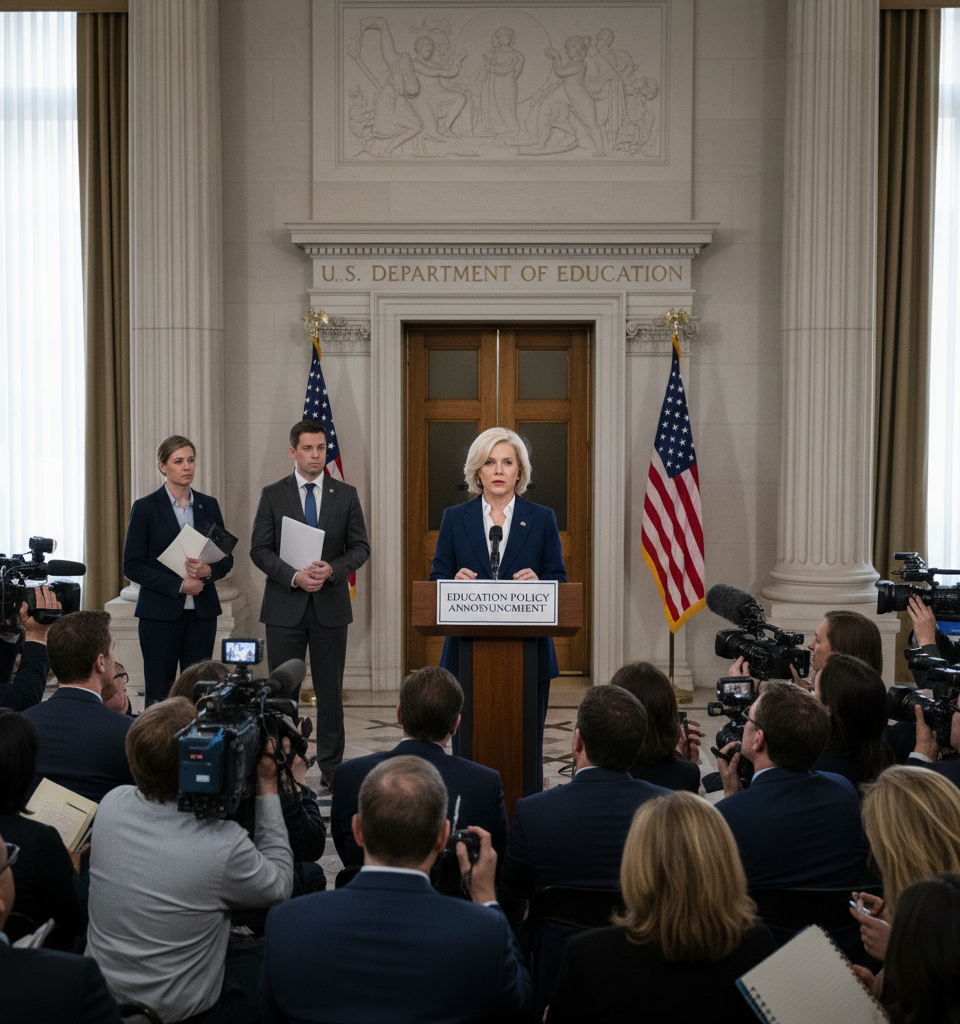
Washington D.C. — The Trump administration's Department of Education, under Secretary Betsy DeVos, has officially withdrawn from several civil rights agreements designed to protect transgender students in public schools. This decisive action, communicated through internal memos and public statements over the past weeks, marks a significant departure from previous federal policy and sends a clear signal regarding the administration's stance on LGBTQ+ rights in educational settings. The settlements, initially brokered by the Obama administration's Office for Civil Rights (OCR) following investigations into discrimination complaints, aimed to ensure equitable treatment and accommodate transgender students, particularly concerning bathroom access and name usage.
Background: A Retreat from Obama-Era Protections
This withdrawal is not an isolated incident but rather the latest in a series of steps by the current administration to dismantle or reinterpret civil rights protections established under its predecessor. In February 2017, the Justice and Education Departments jointly rescinded Obama-era guidance that advised schools to allow transgender students to use bathrooms aligning with their gender identity. The settlements, however, were distinct legally, representing legally binding agreements stemming from direct investigations into specific school districts. Critics argue that this latest move undermines the federal government's role in upholding civil rights and could embolden discriminatory practices within educational institutions nationwide. The Education Department's assertion that there was “no precedent” for terminating such settlements underscores the unprecedented nature of this policy shift.
Key Details of the Withdrawal
The Department of Education officially informed affected school districts, including those in Colton, California, and certain districts in Ohio and Florida, of its decision to pull out of these agreements. These settlements typically involved commitments from school districts to update non-discrimination policies, provide staff training, and ensure facilities access consistent with a student's gender identity. For example, the settlement with the Granite School District in Utah, often cited, was reached after a transgender student was barred from using the girls' restroom. The withdrawal effectively absolves these districts of their federal obligations under these specific agreements, although local and state anti-discrimination laws may still apply. While the Department stated that individual complaints would still be investigated, the systemic approach to ensuring transgender student rights through these settlements has been abandoned.
Impact on the Educational Landscape
The immediate impact will be felt most acutely in the school districts directly affected by these terminated agreements. However, the broader implications cast a shadow over all public schools. This move could empower school boards and administrators who are hesitant to implement inclusive policies—or even those who actively oppose them—to roll back protections previously afforded to transgender students. Advocacy groups argue this creates a confusing and potentially hostile environment for vulnerable students, potentially leading to increased bullying, discrimination, and mental health challenges. Education providers may find themselves in a legal and ethical quandary, navigating conflicting federal signals, state laws, and community expectations. This decision could also influence state-level legislative efforts, potentially encouraging more states to consider or pass 'bathroom bills' or other restrictive policies.
Expert Perspectives and Legal Challenges
Legal experts and civil rights advocates have widely condemned the administration's actions. “This is an unprecedented and deeply disturbing retreat from the federal government’s responsibility to protect all students,” stated Sarah Kate Ellis, President of GLAAD. Legal scholars like Professor Katherine Franke of Columbia Law School suggest this move could set a dangerous precedent, weakening the future enforceability of civil rights settlements across various protected classes. While the immediate legal recourse for advocates might involve challenging the Education Department's authority to unilaterally terminate such agreements, the more likely battleground will be state and local courts, where individual discrimination cases may now proliferate without the guiding hand of federal enforcement. The ambiguity purposefully created by the administration's stance places the onus squarely on individual students and their families to pursue justice.
What Lies Ahead: A Fragmented Future for Transgender Rights
The future for transgender students' rights in U.S. public schools appears increasingly fragmented. Absent clear federal guidance and enforcement, the landscape will likely be determined by a patchwork of state laws, local school board policies, and the outcomes of ongoing litigation. Advocacy groups are expected to intensify their efforts at the state and local levels, supporting lawsuits and pushing for the enactment of stronger anti-discrimination protections. Congress could also intervene, though partisan divisions make comprehensive federal legislation unlikely in the near term. The long-term impact on transgender students' safety, well-being, and academic success remains a significant concern for educators and civil rights proponents alike. This represents a significant political and social battle front in the broader ongoing debate over LGBTQ+ rights in America.