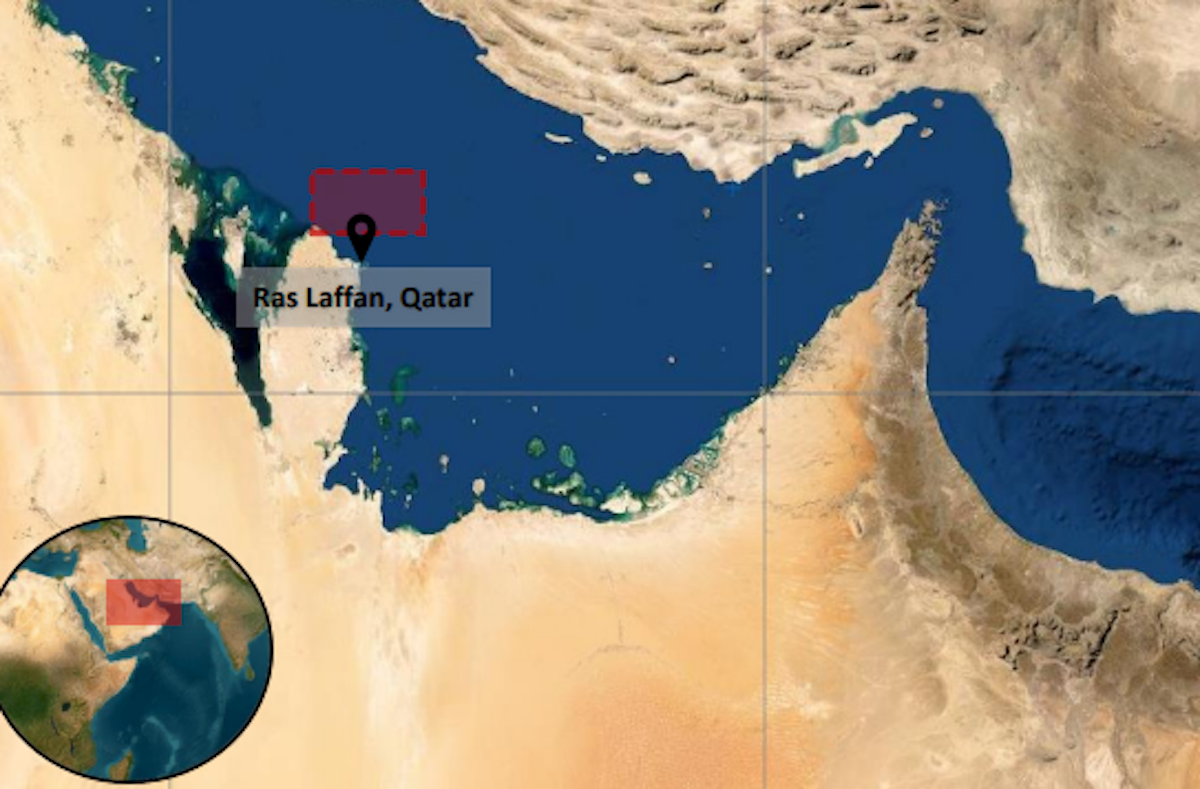
Washington D.C. – The Trump administration is reportedly evaluating a strategic pivot in its approach to Iran, contemplating a potential U.S. disengagement from the escalating conflict, even if it does not guarantee the immediate reopening of the strategically vital Strait of Hormuz. This significant policy deliberation surfaces against a backdrop of intensified regional instability, underscored by a recent attack on a commercial tanker, raising alarms across international shipping lanes and global energy markets.
Context and Background: A Volatile Standoff
The Strait of Hormuz, a narrow waterway connecting the Persian Gulf with the open ocean, is a choke point through which approximately 21% of global petroleum liquids consumption flows daily, according to the U.S. Energy Information Administration (EIA). Its strategic importance cannot be overstated, making any disruption a potential trigger for global economic upheaval. The current tensions are a culmination of years of strained relations between the U.S. and Iran, exacerbated by the Trump administration's 2018 withdrawal from the Joint Comprehensive Plan of Action (JCPOA) and the subsequent re-imposition of crippling sanctions on Iran's oil exports and financial sector. This policy has led to a series of retaliatory actions and proxy conflicts, including sporadic attacks on tankers in the Gulf region, consistently attributed to Iran by the U.S. and its allies.
Key Details: Policy Shift and Tanker Incident
Sources close to the administration suggest that President Trump is exploring options that prioritize a reduction of U.S. military footprint and direct involvement in the Persian Gulf, even if it means accepting a more precarious status quo regarding the Strait of Hormuz, at least in the short term. This potential strategy marks a departure from previous calls for a firm guarantee of free passage through the strait. The deliberation takes on added urgency following a confirmed attack on another commercial tanker in the Gulf of Oman, details of which remain under investigation but have again raised suspicions towards Iranian-backed militias or naval forces. While specific damage assessments are ongoing, preliminary reports indicate significant disruption and the need for international intervention. The incident highlights the inherent risks of a volatile region where even minor provocations can ignite a wider conflict.
Industry and Market Impact: Oil Prices and Shipping Risks
The mere consideration of such a policy shift, coupled with continued attacks, has sent jitters through global commodity markets. Brent crude oil prices have seen several spikes in recent weeks, often reacting directly to news from the Gulf, with some analysts forecasting a potential sustained rise above $70 per barrel should tensions escalate further or if the Strait faces prolonged disruption. Shipping insurers have already increased premiums for vessels operating in the region, with some reports indicating a surge of 200-300% for war risk coverage. Major shipping companies are evaluating alternative routes, incurring higher costs and longer transit times, which, if sustained, could translate into increased consumer prices for a wide range of goods.
Expert Perspective: Balancing De-escalation and Deterrence
Security analysts and foreign policy experts are divided on the implications of such a strategy. Dr. Eleanor Vance, a senior fellow at the Council on Foreign Relations, commented, "While a de-escalatory move by the U.S. could prevent a direct military confrontation, the risk is that it might embolden Iran to further assert its influence or disrupt maritime traffic, testing the limits of international tolerance." Others argue that a more hands-off approach might force regional allies to take greater responsibility for their own security, potentially fostering new alliances or dialogues. "The challenge," stated former diplomat James Chen, "is finding a delicate balance between disengagement and maintaining credible deterrence. A perceived void could be filled by undesirable actors." The economic consequences of a compromised Strait of Hormuz, even without an outright closure, are significant, with potential global GDP reductions estimated in the multi-billion dollar range annually.
What's Next: Diplomatic Maneuvers and Regional Realignment
The immediate future will likely see intense diplomatic maneuvers as international powers scramble to understand and react to the potential U.S. policy shift. Regional allies, particularly Saudi Arabia and the UAE, will be closely watching for signs of diminishing U.S. commitment, potentially leading to a reassessment of their own security strategies and alliances. The possibility of direct negotiations between the U.S. and Iran, though currently remote, could re-emerge as a long-term aspiration if de-escalation proves effective in preventing wider conflict. However, until a clearer strategy emerges from Washington, and as long as attacks on shipping continue, the Strait of Hormuz and its surrounding waters will remain a flashpoint of geopolitical tension and economic uncertainty, demanding constant vigilance from global stakeholders. The impact on energy supply chains and their associated markets will be a critical measure of the success or failure of any new policy direction.