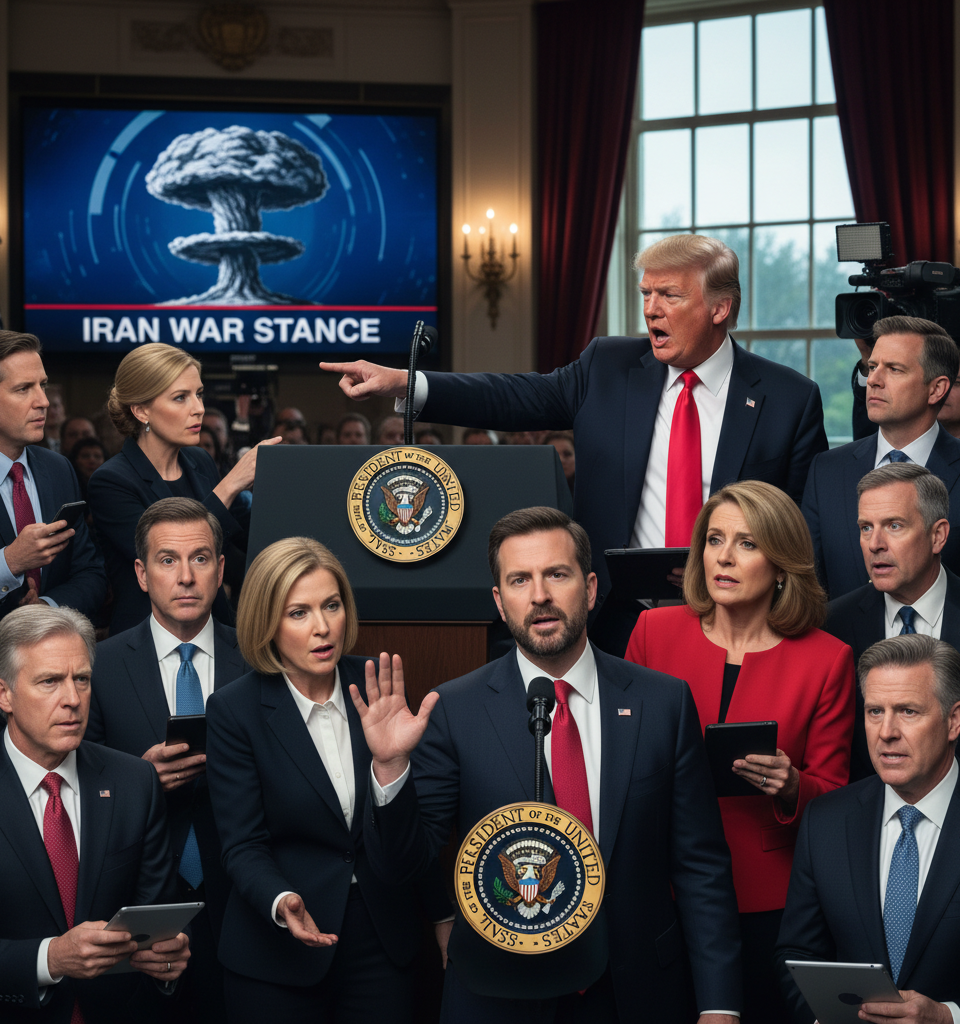
WASHINGTON D.C. – January 15, 2024 – Former President Donald Trump unleashed a vitriolic social media tirade against conservative media stalwarts Tucker Carlson and Megyn Kelly, as well as the editorial board of The Wall Street Journal, on Monday. The explosive posts, published on Truth Social, accused the personalities of being insufficiently supportive of a hawkish stance against Iran, framing their critiques of potential military action as disloyal and misinformed. This latest salvo from the former commander-in-chief underscores his continued influence within the Republican party and his uncompromising approach to media criticism, particularly on matters of foreign policy.
Context and Background: A Shifting Political Landscape
The attacks come amidst escalating tensions in the Middle East, with ongoing discussions among foreign policy circles regarding the U.S. approach to Iran's nuclear program and its regional activities. Both Carlson and Kelly, known for their often nationalistic but sometimes non-interventionist viewpoints, have publicly expressed skepticism about the wisdom of engaging in a new conflict in the region. This stance diverges sharply from the more interventionist wing of the Republican party, which Trump has often aligned with, despite his own 'America First' rhetoric often questioning foreign entanglements. The Wall Street Journal's editorial board, a traditional bastion of conservative foreign policy, has also published pieces urging caution and strategic clarity in the region, rather than overt military action. This divergence highlights a deepening fault line within contemporary conservative thought on foreign policy, caught between traditional hawkishness and a growing isolationist sentiment.
Key Details of Trump's Online Barrage
Trump's lengthy posts were replete with personal insults and accusations. He labeled Carlson and Kelly as “lightweights” and “RINOs” (Republicans In Name Only), asserting they had “lost their way” and were “too weak to understand the threat.” He specifically cited their previous comments regarding the economic and human costs of extended military engagements in the Middle East. Regarding The Wall Street Journal, Trump accused its editorial board of being “sad and confused,” alleging they were out of touch with the sentiments of the American people and acted as “globalist warmongers.” While no specific quotes from Carlson, Kelly, or the WSJ articles were directly provided in Trump's posts, the context strongly suggested his ire stemmed from their recent discussions and analyses questioning the utility and wisdom of a direct military confrontation with Iran, especially given the current geopolitical landscape and the perceived failures of past interventions.
Industry and Market Impact: Media Independence Under Scrutiny
Trump's sustained assaults on media figures, even those generally considered conservative, send ripples through the media industry. For Carlson and Kelly, themselves prominent voices, criticism from a figure with Trump's loyal following can be a double-edged sword, potentially galvanizing their base while alienating others. For The Wall Street Journal, an institution with a reputation for rigorous financial reporting and influential opinion, Trump's broadsides challenge its editorial independence and journalistic integrity, particularly among its more conservative readership. The broader implication is a further polarization of media consumption, where loyalty to a political figure increasingly trumps allegiance to conventional journalistic standards. Advertisers and media conglomerates may find themselves navigating an even more fragmented and politically charged landscape, potentially impacting revenue streams and editorial decision-making processes, as seen with past boycotts and criticisms.
Expert Perspective: Deepening Divides in Conservatism
Political analysts are quick to point out that these attacks reveal more about the evolving nature of the Republican Party than about the media personalities themselves. Dr. Evelyn Reed, a political science professor at Georgetown University, commented, "Trump's willingness to openly attack figures like Carlson and Kelly, who previously enjoyed significant favor among his base, signifies his intolerance for any deviation from his preferred narrative, particularly on foreign policy. It's less about Iran and more about absolute loyalty to his brand of conservatism." She added, "This isn't merely a disagreement; it's an attempted excommunication, designed to consolidate his control over the party's ideological direction, particularly as the 2024 election cycle gears up. We're seeing a purge of dissenting voices, even within the conservative ecosystem." This move also underscores the long-standing tension between traditional Republican internationalism and the populist, often isolationist wing that gained prominence under Trump.
What's Next: Future Implications and Potential Escalation
The immediate fallout suggests a potential chilling effect on independent conservative commentary regarding foreign policy, as media figures weigh the risks of attracting Trump's ire. Furthermore, this incident could foreshadow increased internal strife within the Republican Party as it grapples with its stance on international affairs, especially concerning highly sensitive regions like the Middle East. With a potential 2024 presidential bid looming for Trump, his continued engagement in such public feuds will likely define much of the political discourse. The targeted individuals and publications have yet to issue detailed responses, but any counter-statements will undoubtedly prolong the debate and further illuminate the fault lines within American political and media landscapes. The ongoing geopolitical situation in the Middle East, with oil prices hovering around $75 a barrel and regional stability tenuous, ensures that the debate over U.S. intervention will remain at the forefront, regardless of Trump's commentary.