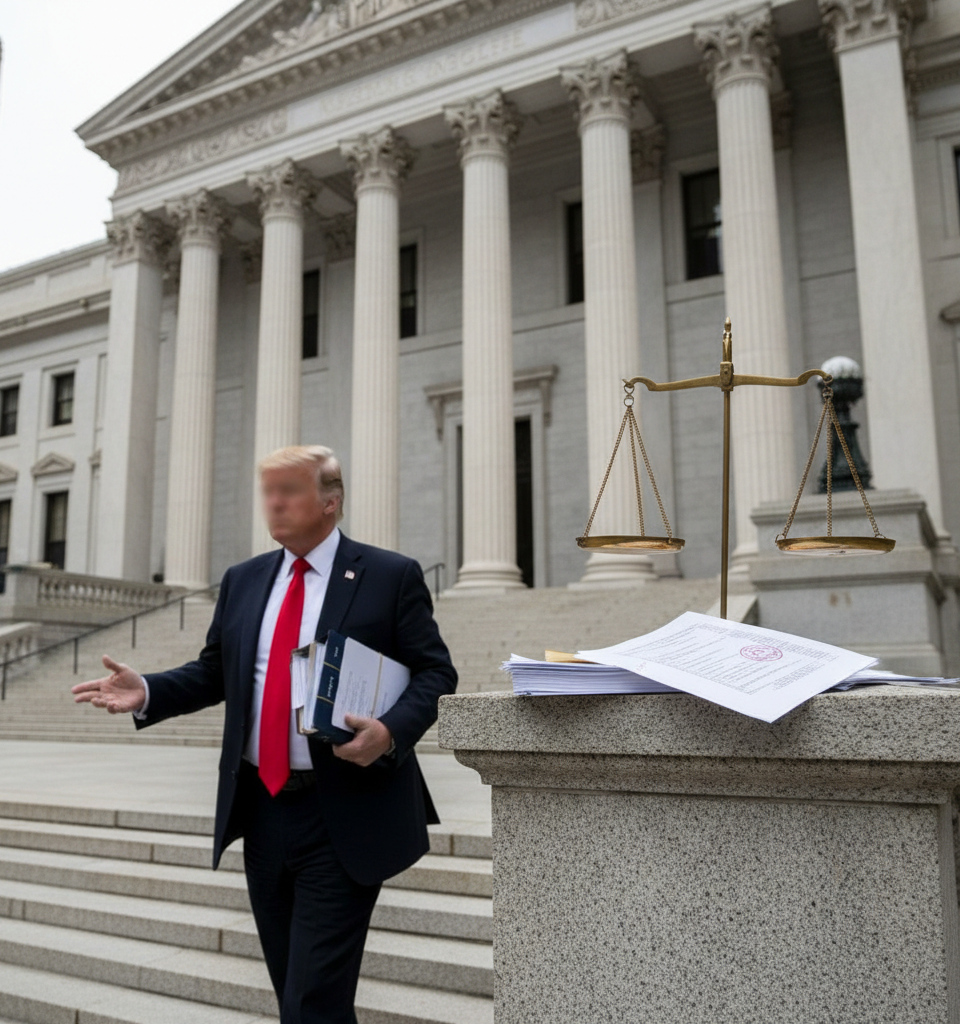
The consistent application of jurisdictional law underscores the predictability business leaders rely on for legal stability, even when high-profile political figures are involved. Such decisions shape the operational risk landscape for any entity navigating complex legal frameworks.
Former President Donald Trump's efforts to move his New York hush money case into the federal court system have been unsuccessful. A recent judicial ruling blocked this transfer, ensuring the case will remain under state court authority. This decision solidifies the ongoing proceedings related to actions taken before the 2016 presidential election.
Background of the Case
The hush money case involves allegations linked to payments made to an adult film star ahead of the 2016 presidential campaign. Prosecutors in New York have brought charges related to these transactions. Trump's legal team sought to move the case to federal jurisdiction, arguing that the alleged actions were related to his duties as a federal candidate or office holder, thus falling under federal purview.
The Judicial Ruling
The judge presiding over the request rejected Trump's argument, finding that the specifics of the case did not meet the criteria for federal removal. This means the New York state court will retain its jurisdiction over the proceedings. The ruling emphasizes the principle that state courts are competent to handle cases involving high-profile defendants, even those with national political implications.
Implications for Trump and Legal Strategy
This decision marks a significant setback for Trump's legal strategy, which has frequently involved attempts to challenge the jurisdiction or venue of cases against him. Keeping the case in state court means it will proceed under New York state laws and procedures. Legal experts suggest that federal courts are sometimes seen as a more favorable venue by defendants in high-profile cases, potentially due to different jury pools, procedural rules, or judicial appointments.
Broader Context and Precedents
Jurisdictional battles are common in complex legal cases, especially when former federal officials are involved. The Westfall Act, for example, often allows federal employees to substitute the United States as a defendant in civil lawsuits. However, this case involved criminal charges and specific claims not aligned with federal removal statutes. This ruling reaffirms the distinct separation between state and federal judicial powers, particularly in criminal matters not directly pertaining to federal office duties.
What's Next for the Proceedings
With the transfer denied, the New York hush money case is expected to continue its progression through the state court system. This typically involves further discovery, pretrial motions, and ultimately, a trial date if no resolution is reached beforehand. The state court's established timeline and procedures will now govern the pace and direction of the case without the potential for federal intervention at this stage. Observers will be closely watching for upcoming scheduling orders and legal filings as the case moves forward.