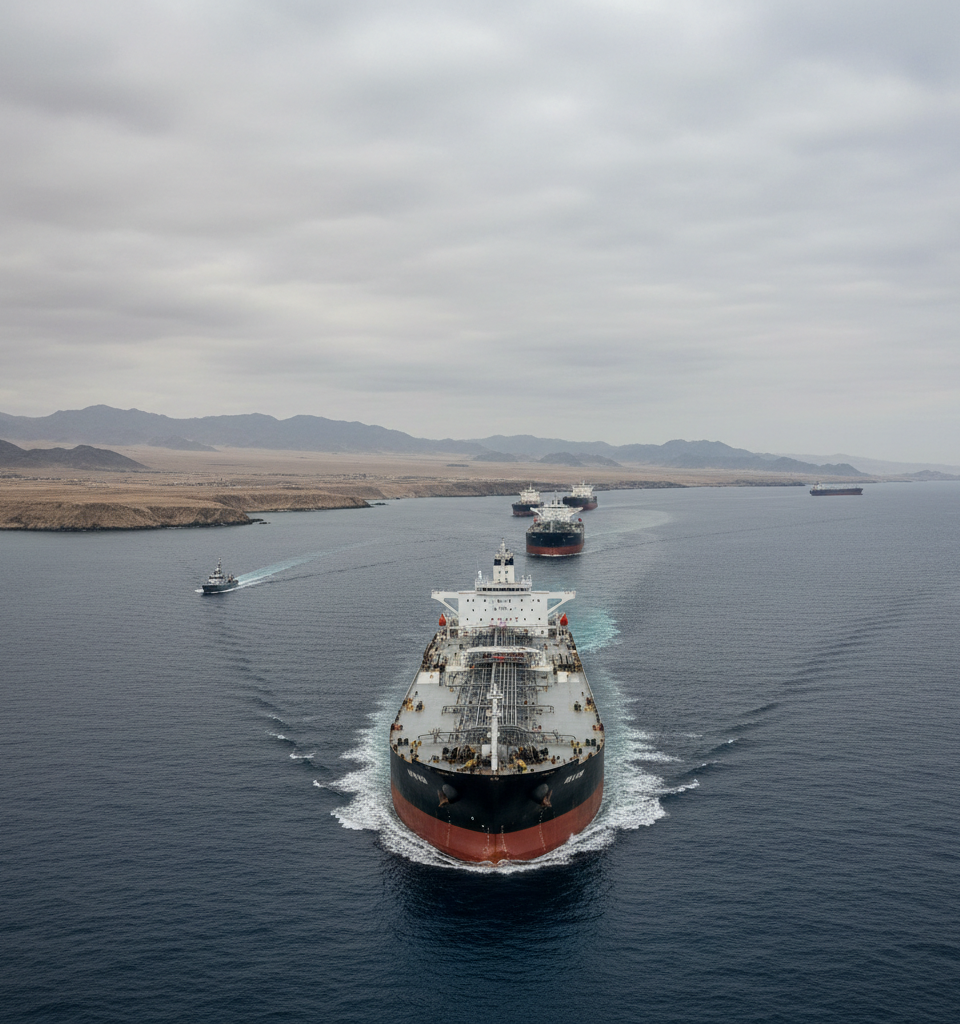
The Trump administration has intensified its economic pressure on Iran, effectively moving to block all remaining Iranian crude oil exports. The White House announced last week it would not renew waivers for eight countries and regions – including major importers like China, India, Japan, South Korea, and Turkey – that allowed them to continue purchasing limited quantities of Iranian oil without facing U.S. sanctions. This aggressive maneuver, aimed at driving Iran's oil exports to zero, marks a significant escalation in the ongoing geopolitical standoff and carries the potential for far-reaching economic repercussions, despite initial calm in global oil markets.
A History of Sanctions and Economic Warfare
This latest action is the culmination of President Trump's "maximum pressure" campaign against Tehran, initiated after his withdrawal from the Joint Comprehensive Plan of Action (JCPOA), or Iran nuclear deal, in May 2018. The administration reimposed sanctions that year, including targeting Iran's vital oil sector. The previous waivers, granted for six months, were seen as a temporary measure to allow importers to reduce their reliance on Iranian crude gradually and prevent a sharp spike in global oil prices. Their termination now signifies a deliberate move to choke off Iran’s primary source of foreign currency, aiming to compel the Islamic Republic to renegotiate a new nuclear agreement or alter its regional behavior. This policy carries echoes of past geopolitical tussles where oil has been weaponized, though the current global energy landscape presents unique challenges.
The Anatomy of an Embargo: Facts and Figures
Prior to the 2018 sanctions, Iran was exporting approximately 2.5 million barrels per day (bpd). That figure plummeted to around 1 million bpd under the re-imposed sanctions, and then further dropped to roughly 750,000 bpd by early 2019. The termination of waivers is expected to reduce this even further, potentially pushing exports below 500,000 bpd. The administration’s confidence in this move is bolstered by assurances from Saudi Arabia and the United Arab Emirates, major OPEC producers, that they will increase their output to compensate for the lost Iranian barrels. U.S. officials have stated that Saudi Arabia and the UAE have agreed to ensure adequate supply, with Saudi Energy Minister Khalid al-Falih previously indicating that the kingdom would respond to global demand. The U.S. is also a major factor, with its booming shale production now making it the world's largest oil producer, providing a partial buffer against supply shocks.
Market's Measured Response Amidst Underlying Volatility
Surprisingly, global oil markets initially reacted with relative composure to the news. Brent crude, the international benchmark, saw only a modest increase of about 3% following the announcement, settling around the mid-$70s per barrel range, while WTI hovered slightly lower. This muted response can be attributed to several factors: the market had largely priced in the possibility of waiver expiry, Saudi and UAE production assurances, and robust U.S. crude inventories. However, this apparent calm belies a deeper undercurrent of volatility. Should Saudi Arabia or other major producers fail to fully compensate for the Iranian shortfall, or if geopolitical tensions in the Strait of Hormuz escalate, the impact on prices could be sudden and severe, potentially pushing Brent well above $80 or even $90 per barrel.
Expert Assessments: A High-Stakes Gamble
Energy analysts are largely divided on the ultimate effectiveness and potential fallout of this policy. Sarah Ladislaw, an energy expert at the Center for Strategic and International Studies, commented, “While the immediate market reaction was subdued, the long-term risks are significant. This pushes Iran into a corner, making retaliation, perhaps targeting vital shipping lanes, a very real possibility.” Similarly, reports from Goldman Sachs and Eurasia Group highlight the increased risk premium now baked into oil prices. “The primary risk isn’t supply per se, but rather Iran’s reaction,” noted analysts from Eurasia Group, pointing to the potential for shipping disruptions in the Strait of Hormuz, through which approximately 20% of the world’s petroleum liquids pass daily. Experts widely agree that the move is a high-stakes gamble with significant economic and security implications.
Beyond Oil: Broader Economic Implications
The economic consequences extend beyond just oil prices. Higher energy costs translate to increased operational expenses for businesses, reduced consumer spending power, and potentially higher inflation – all headwinds for global economic growth already facing uncertainties from trade disputes. For countries like China and India, which are heavily reliant on imported energy and were major purchasers of Iranian crude due to its attractive pricing, the additional cost of sourcing oil from elsewhere or incurring freight surcharges will undoubtedly impact their industrial output and economic stability. Furthermore, the erosion of diplomatic channels and the increased risk of military confrontation in the Persian Gulf introduce an element of unpredictable systemic risk into the global economy, deterring investment and fostering uncertainty.
The Unfolding Scenario: What Lies Ahead?
The immediate future will see intensified diplomatic efforts by the U.S. to reassure importing nations and solidify the supply commitments from its allies. However, the critical unknown remains Iran's response. Tehran has already threatened to close the Strait of Hormuz in retaliation for previous sanctions, a move that would send shockwaves through global energy markets. Observing Iran's next steps, whether military or economic, will be paramount. Further, the ability of Saudi Arabia and the UAE to consistently fill the supply gap will be under intense scrutiny, particularly as global demand continues to rise. The coming weeks and months will be a delicate dance between economic pressure, geopolitical posturing, and the ever-present threat of escalation in one of the world's most vital energy regions.