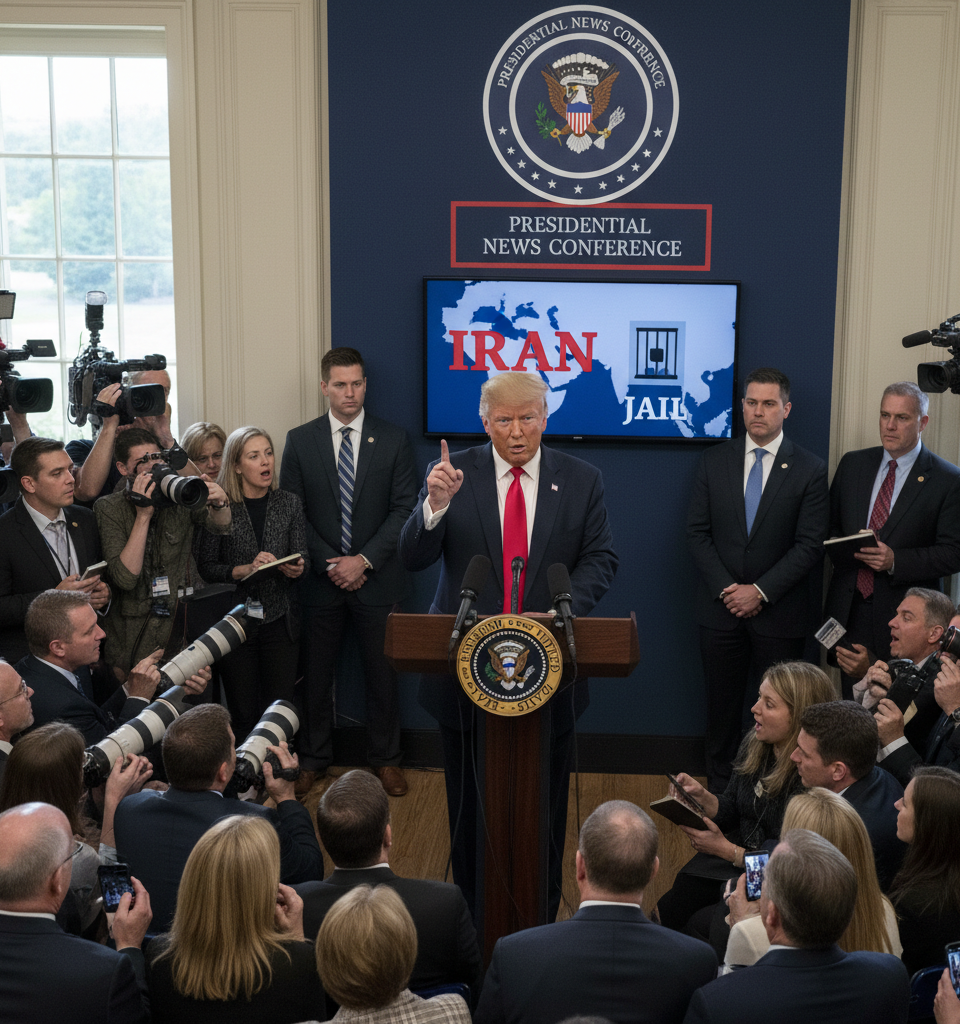
Former President Donald Trump, a prominent figure in American politics, has reportedly threatened journalists with potential jail time if they refuse to disclose confidential sources linked to sensitive reporting on Iran. The controversy centers on an unnamed media organization's coverage of an alleged successful Iranian strike against a U.S. fighter jet and its personnel. This development signals a potential escalation in the long-standing tension between presidential administrations and the press, particularly concerning national security reporting and the protection of journalistic sources.
Implications for Press Freedom
The implications of such a demand are far-reaching, striking at the core of press freedom and the constitutional protections afforded to journalists. The ability of the press to report on matters of public interest, especially those concerning government actions and national security, often hinges on the promise of anonymity to sources. Should journalists be compelled to reveal these sources under threat of incarceration, it could significantly chill investigative reporting, making it more difficult for the public to access critical information, particularly in areas deemed sensitive by the government. Legal precedent, particularly the First Amendment's protection of a free press, would likely be central to any legal battle stemming from such a demand.
The Context of the Iran-U.S. Dynamic
The reported Iranian strike on a U.S. fighter jet and its crew, as covered by the unnamed media outlet, provides a volatile backdrop to Trump's alleged threats. Relations between the United States and Iran have been historically fraught, marked by periods of intense geopolitical rivalry, sanctions, and military posturing. Any incident involving direct military engagement, such as the reported strike, would inherently be a matter of significant national and international concern. The administration's apparent interest in the sources behind such reporting suggests a deep concern about the accuracy or provenance of the information, or perhaps a desire to curb what it perceives as unauthorized disclosures of classified material.
Legal Precedents and Source Protection
The legal landscape surrounding source protection in the United States is complex. While no federal "shield law" comprehensively protects journalists from being compelled to reveal sources, many states have their own shield laws, and courts have often recognized a qualified privilege for journalists under the First Amendment. However, this privilege is not absolute and can be overcome in cases where there is a compelling government interest, such as national security. The potential for a high-profile confrontation over this issue would undoubtedly reignite debates about the balance between national security interests and the public's right to know, and the role of the judiciary in mediating this delicate balance.
Potential Chilling Effect on Investigative Journalism
If the former president were to follow through on this threat, it could create a significant chilling effect on investigative journalism, particularly concerning intelligence and defense matters. Sources, fearing exposure and potential legal repercussions, might become far less willing to share information with journalists, even if that information is in the public interest. This could lead to a less informed populace regarding critical government operations abroad and at home. The long-term impact could be a shift towards a more controlled information environment, where unchallenged official narratives dominate, and fewer dissenting or critical perspectives emerge.
Looking Ahead: A Precedent-Setting Challenge
Should this situation escalate, it would likely set a crucial precedent for future interactions between the executive branch and the press. The specific legal avenues an administration might pursue to compel source disclosure could include grand jury subpoenas or executive orders, potentially leading to contempt-of-court charges for journalists who refuse to comply. The unnamed media outlet would face a pivotal decision: comply and potentially compromise its journalistic integrity, or resist and face severe legal consequences. This scenario underscores the fundamental tension that often exists between government transparency and perceived national security requirements, and the enduring fight for accountability in a democratic society.