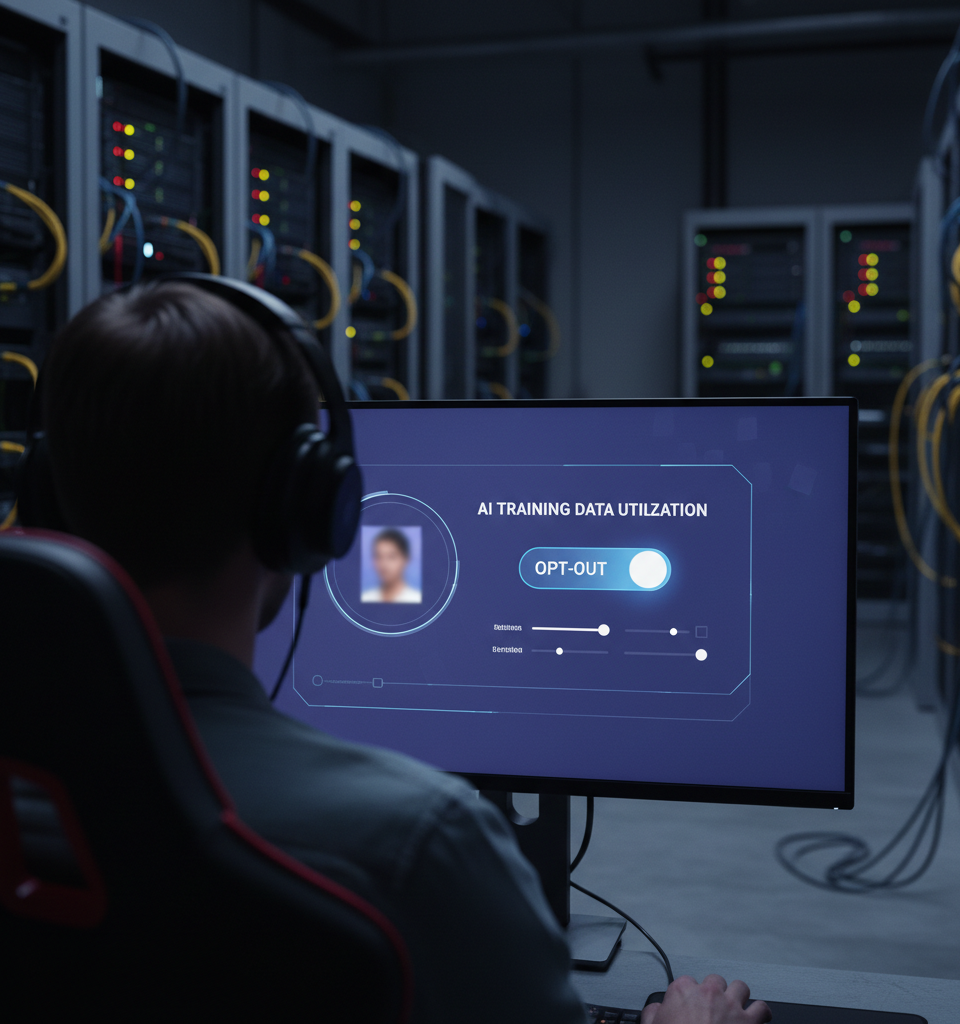
For businesses that rely on digital platforms to reach global audiences and build brand identity, the control over proprietary content and data usage is paramount. The ability to dictate how intellectual property is leveraged by third-party AI models directly impacts revenue streams, competitive advantage, and ultimately, a company's capacity for cross-border innovation and market expansion.
Twitch, the Amazon-owned live streaming giant, has implemented a new system designed to give its content creators more control over their intellectual property in the age of artificial intelligence. Streamers can now actively prevent their videos and streams from being utilized in the training of AI models, a response to escalating anxieties across the digital content landscape regarding data scraping practices. The introduction of this mechanism marks a significant, albeit contentious, step by a major platform to address creator concerns around AI's impact.
The Opt-Out Controversy
The core of the ongoing debate centers on Twitch's decision to configure this new prevention mechanism as 'opt-out' rather than 'opt-in'. This means that by default, a streamer's content is available for AI training unless they proactively navigate settings to disable it. Critics argue that an opt-out system places an undue burden on creators, many of whom may be unaware of the setting or its implications, thereby potentially compromising their content without explicit consent. Proponents, conversely, might argue that it streamlines data collection for AI development while offering an avenue for creators to reclaim their data if desired.
Growing Concerns Over AI Data Scraping
The impetus behind Twitch's move stems from a broader industry-wide apprehension about AI models indiscriminately scraping vast amounts of internet data for training purposes. Content creators, artists, writers, and musicians have increasingly voiced concerns that their copyrighted work is being used without permission or compensation, devaluing their original contributions. This sentiment has fueled calls for stricter regulations and clearer guidelines on data usage for AI, leading many platforms to re-evaluate their policies and tools.
Industry-Wide Implications
Twitch's decision could set a precedent for other user-generated content platforms grappling with similar issues. As AI technology advances, the demand for high-quality, diverse training data will only intensify. How platforms choose to balance the interests of AI developers with the rights of content creators will significantly shape the future of digital content ecosystems. An 'opt-out' default by a platform of Twitch's size highlights the ongoing tension between technological advancement and individual data sovereignty.
Navigating the Creator Economy
For the millions of streamers who form the backbone of Twitch's creator economy, this new tool presents a critical choice. While it offers a pathway to protect their content from AI training, the default setting means inaction equates to tacit permission. This situation underscores the evolving challenges faced by digital creators in understanding and managing the myriad ways their content can be used, often under complex terms of service that are rarely fully scrutinized. The platform’s approach reflects a broader trend where user vigilance is increasingly required to safeguard digital rights.
What Lies Ahead
The debate surrounding Twitch's opt-out mechanism is likely to continue, potentially influencing how other platforms implement similar protections. It also brings into sharper focus the need for clearer legislative frameworks around AI data usage and intellectual property rights. Streamers, content creators, and regulatory bodies will be closely watching the impact of this policy, both on AI development and on the autonomy of creators, as the digital landscape continues to adapt to the rapid expansion of artificial intelligence technologies.