Context of Heightened Regional Instability
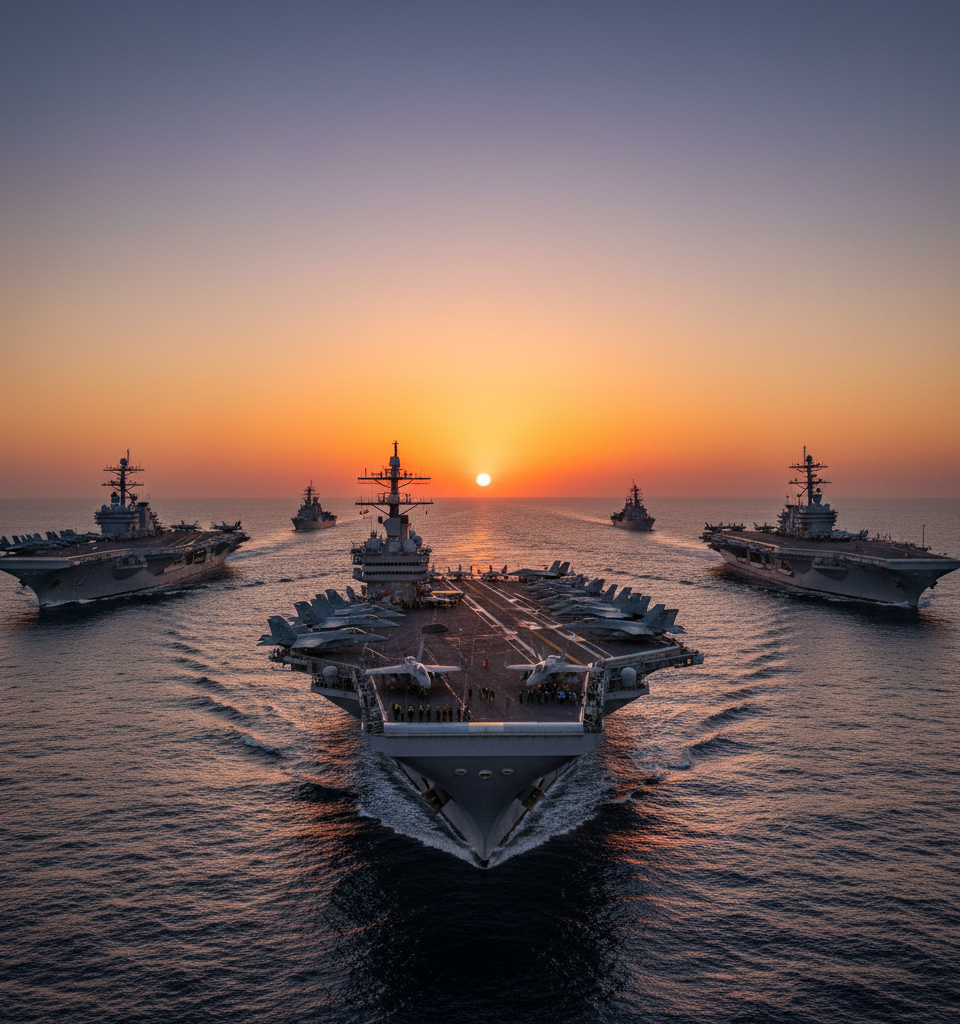
This robust naval deployment arrives at a time of severe volatility in the Middle East, a region historically central to global energy markets and geopolitical maneuvering. The decision to reinforce the U.S. naval presence follows a period of heightened tensions, including recent attacks on commercial shipping, continued proxy conflicts, and the lingering threat of state-sponsored aggression. Historically, the presence of even a single U.S. carrier strike group (CSG) in the region has been considered a significant deterrent. The current deployment of three represents a substantial escalation of America's commitment to regional stability and the protection of its interests and allies. This mirrors, in scale, similar deployments during periods of acute crisis, such as the initial phases of the Iraq war, though the specific intent here is prevention and deterrence.
The Ford's Record-Setting Presence and Reinforcements The USS Gerald R. Ford, the lead ship of its class and the
Navy's newest supercarrier, has already etched its name in naval history. Its recent deployment, extending beyond its planned duration, saw it operate across the Mediterranean and now into the Red Sea. This extended operational tempo showcases the Ford's advanced capabilities and the U.S. Navy's ability to sustain prolonged forward presence. Each carrier strike group typically includes a carrier, at least one cruiser, several destroyers, and a carrier air wing of approximately 70-90 aircraft, along with a complement of submarines. The combined firepower and logistical capabilities of three such groups represent an unparalleled concentration of naval power, capable of conducting a wide range of missions from air superiority to humanitarian aid, and significant strike operations.
Geopolitical Implications and Market Response Such a decisive military posture sends unequivocal signals to both allies and potential adversaries.
For allies, it reaffirms U.S. security guarantees and its commitment to freedom of navigation in critical waterways like the Suez Canal and the Strait of Hormuz, through which a significant portion of the world's oil supplies passes. For adversaries, it serves as a potent deterrent against destabilizing actions. Economically, this increased military presence often has a calming effect on commodity markets, particularly oil, as it is perceived to reduce the risk of supply disruptions. However, it can also lead to heightened insurance premiums for shipping in affected areas. Defense contractors and related industries may see potential increases in demand for maintenance, resupply, and advanced weapons systems as a result of sustained forward deployments.
Expert Analysis on Strategic Intent
Defense analysts are weighing in on the strategic rationale behind this robust deployment. Dr. Evelyn Finch, a Senior Fellow at the Atlantic Council, noted in a recent briefing, "This is not merely a show of force; it's a strategic chess move designed to manage multiple simultaneous threats and reassure regional partners. The U.S. is signaling that it possesses the capacity and the will to respond decisively across various domains." Others, like former Pentagon official Mark Thompson, suggest that the deployment aims to create a 'layered defense' against potential aggression, particularly relevant given evolving drone and missile technologies. The ability to project overwhelming air power from multiple angles significantly complicates any adversary's calculus.
Future Outlook and Regional Stability
The immediate future will likely see these three carrier strike groups conducting extensive exercises, intelligence gathering, and freedom of navigation operations to underscore their presence and capabilities. While the precise duration of this unprecedented three-carrier deployment remains subject to evolving geopolitical conditions, it is clear that the U.S. intends to maintain a robust and flexible posture in the Middle East for the foreseeable future. The efficacy of this strategy will be measured not just by its ability to deter immediate threats, but also by its long-term impact on regional stability, fostering diplomatic solutions, and safeguarding global economic interests. The situation remains fluid, with ongoing diplomatic efforts running parallel to this significant military build-up, seeking to de-escalate tensions and prevent open conflict.