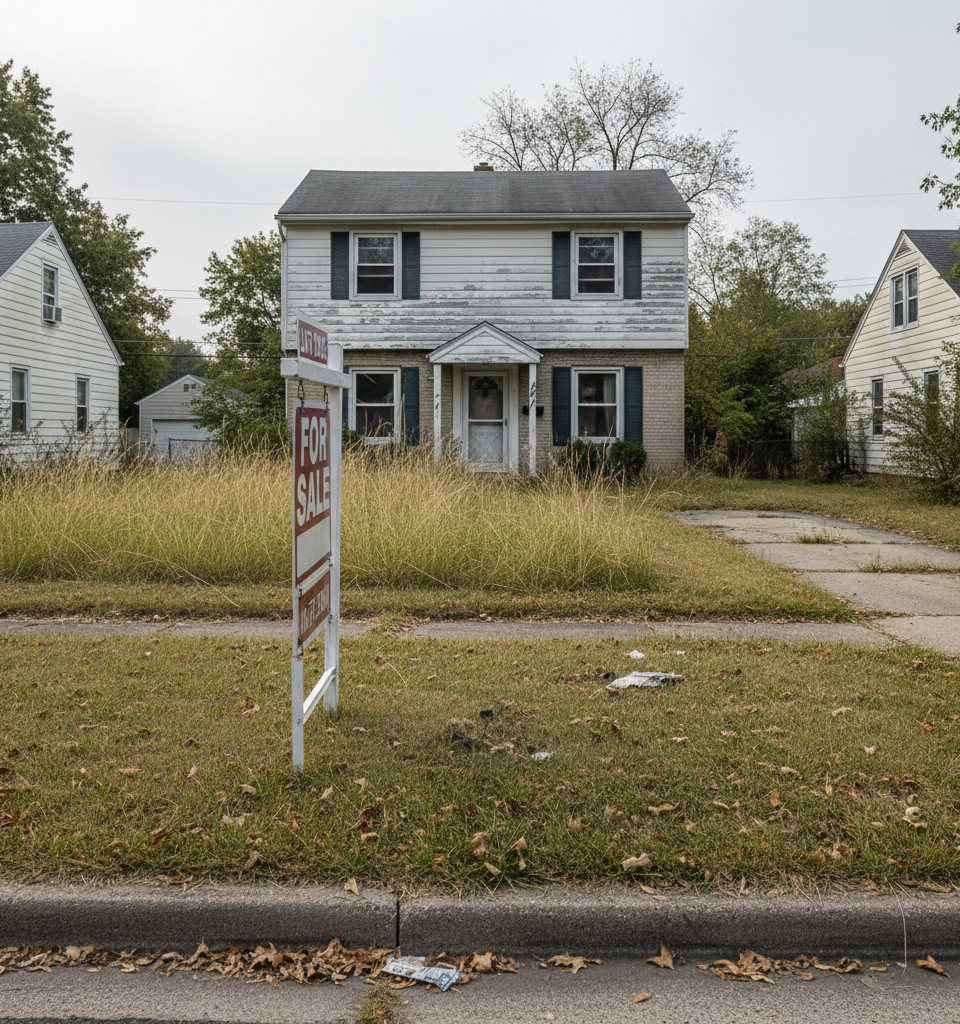
As the heart of spring, May 2026 was anticipated to mark a peak in housing market activity across the United States. However, contrary to seasonal expectations, new data reveals a notable deceleration: properties are now lingering on the market for their longest periods in several years. This departure from conventional patterns suggests a recalibration within the residential real estate sector, moving away from the frenetic pace observed in prior cycles. The evolving landscape prompts a closer examination of underlying economic pressures and buyer sentiment.
Historical Context and Market Shift
For nearly a decade, the U.S. housing market has largely been characterized by low inventory, intense buyer competition, and rapidly escalating prices, often leading to homes selling within days, if not hours, of listing. This seller's market was fueled by historically low interest rates and a post-pandemic surge in demand for larger living spaces. The current trend marks a stark contrast, harkening back to market conditions not seen since the early 2020s or even late 2010s, where properties typically required several weeks to secure a buyer. This shift is particularly pronounced in previously overheated markets, where price growth may have outpaced sustainable buyer affordability.
Key Indicators and Specifics
Recent market analytics indicate that the median time a home spends on the market has increased by approximately 25% year-over-year in May 2026, reaching an average of nearly 45 days nationally. Certain metropolitan areas, particularly those that experienced dramatic price appreciation, are witnessing even longer durations, with some properties exceeding 90 days on market. While specific figures can vary by region and property type, this overarching trend points to a broader softening of demand or an adjustment in buyer expectations regarding pricing. Inventory levels, while still below long-term averages in many regions, have shown a modest increase of 8% over the past six months, contributing to buyers having more choices and less urgency.
Broader Market Implications
This extended market duration carries significant implications for various stakeholders. For sellers, it necessitates a recalibration of pricing strategies and a greater emphasis on property presentation and staging to stand out. It also means potentially longer holding costs while awaiting a sale. For real estate agents, the sales cycle has lengthened considerably, impacting commission timelines and requiring more active client management. Lenders are also monitoring the situation closely, as a more prolonged selling period could subtly influence appraisal values and mortgage application trends. Developers, particularly those with a pipeline of new constructions, may face increased pressure to align pricing with evolving market conditions or offer incentives.
Expert Insights and Analysis
"What we're witnessing isn't necessarily a market collapse, but rather a much-needed cooling and rebalancing," explains Dr. Eleanor Vance, chief economist at Global Housing Insights. "Years of rapid appreciation created an unsustainable environment. Buyers are now more cautious, facing higher interest rates and persistent inflation, leading them to be less impulsive and more discerning. This extended market duration gives them the luxury of time, which was a scarcity just a couple of years ago." Other analysts suggest that while elevated mortgage rates are a factor, a growing sentiment of 'buyer fatigue' from bidding wars and over-asking offers is also playing a role, prompting a temporary pullback in immediate purchasing decisions.
Looking Ahead: Future Implications
The immediate future of the housing market will likely involve a continued normalization of selling timelines, potentially stabilizing around the 45-60 day mark in many areas. This period could present unique opportunities for buyers who are well-capitalized and not under duress, allowing for more negotiation power and a greater selection of properties. For sellers, strategic pricing from the outset will be paramount, as initial overpricing often leads to prolonged listing periods and eventual price reductions. Industry experts anticipate that while the frenetic pace may be behind us, a healthy, albeit slower, market will persist, characterized by more measured growth and a return to traditional seasonal fluctuations. The duration of this recalibration will heavily depend on broader economic indicators, including inflation trends and future interest rate adjustments by central banks.