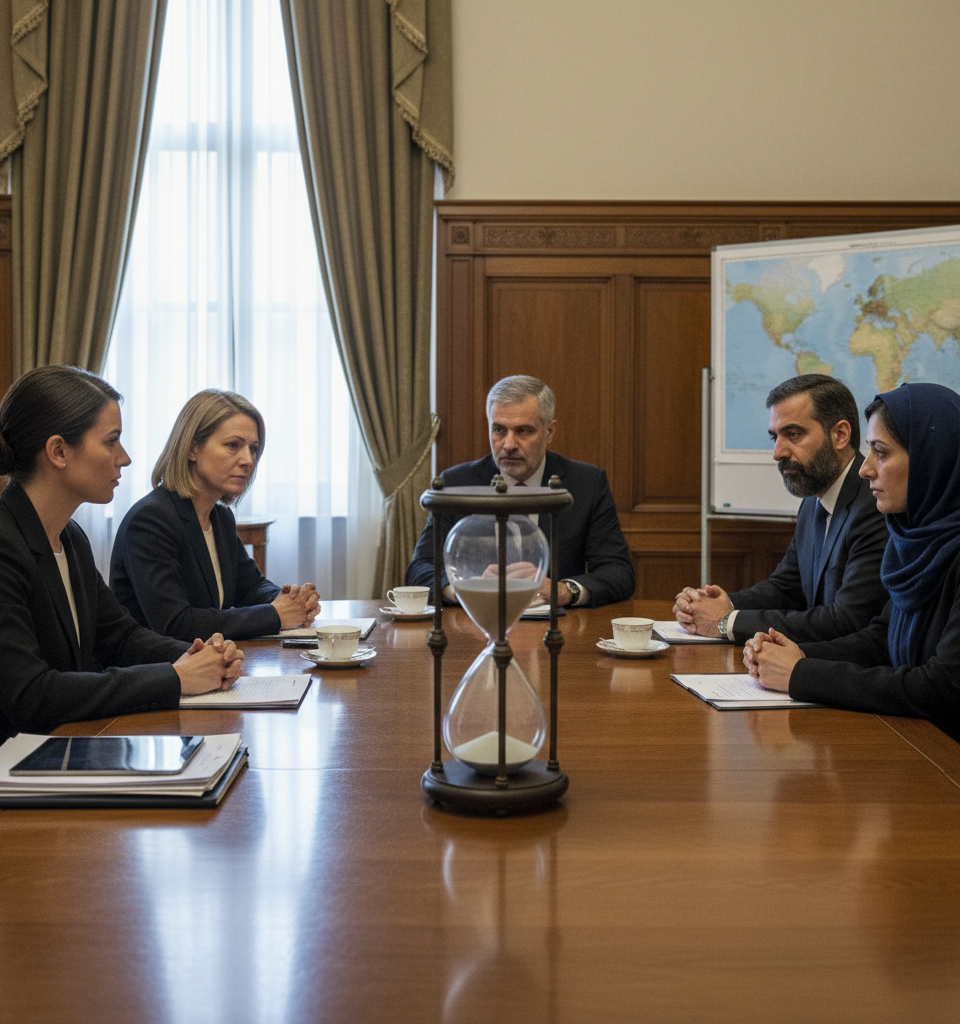
WASHINGTON D.C. – The United States is reportedly engaged in sensitive negotiations with Iran, aiming to secure a comprehensive agreement that would mandate a 20-year suspension of all Iranian nuclear activities. This strategic move, confirmed by sources close to the diplomatic discussions, represents a significant policy initiative under President Trump's administration, which has consistently demanded ironclad guarantees against Iran ever developing a nuclear weapon. The proposed terms indicate a desire to buy considerable time, similar to previous diplomatic efforts, to manage and contain Iran's nuclear program.
The discussions underscore a persistent tension in international relations concerning Iran's nuclear capabilities and intentions. For decades, the global community has grappled with methods to prevent nuclear proliferation in the Middle East, with Iran's program frequently at the forefront of these concerns. This latest negotiation attempt follows a period of heightened rhetoric and geopolitical maneuvering, illustrating Washington's ongoing commitment to a diplomatic resolution, even as it maintains a firm stance on Tehran's nuclear future. The duration of the proposed suspension – two decades – suggests a long-term vision for de-escalation, aiming to push ballistic missile development well into the future.
Core Tenets of the Proposed Suspension
Central to the emerging deal is the complete cessation of all nuclear-related activities by Iran for twenty years. While specific details regarding verification mechanisms and international oversight remain under wraps, the ambition to halt all aspects of the program marks a particularly stringent demand. This includes, but is not limited to, uranium enrichment, plutonium reprocessing, and any research and development explicitly linked to nuclear weapons capability. The proposal aims to not only freeze current capabilities but also significantly roll back any potential future advancements, effectively dismantling Iran's present nuclear infrastructure for a substantial period. President Trump's direct involvement and his public statements demanding assurances against Iran's nuclear weapon potential underscore the high-stakes nature of these talks.
The implications of such a deal, should it materialize, would resonate deeply across global energy markets and the broader geopolitical landscape. A reduction in nuclear tensions could potentially stabilize oil prices, as market fears of conflict in the Strait of Hormuz diminish. However, the exact market reaction would depend heavily on the specific terms of the agreement and the extent to which it allows Iran to reintegrate into global trade, particularly concerning its oil exports. Analysts are closely watching for any signs of progress, as a successful negotiation could unlock significant Iranian oil reserves for the international market, while a failure could lead to renewed instability.
Regional and International Impacts
From a regional perspective, a long-term nuclear suspension would likely be met with cautious optimism by Gulf states, who have long viewed Iran's nuclear ambitions as a direct threat to their security. Israel, another key regional player, would also be keenly observing the developments, given its consistent vocal opposition to any Iranian nuclear program. The success of this deal would hinge not only on Iran's adherence but also on its acceptance by these influential regional actors. Internationally, the deal could serve as a blueprint for future non-proliferation efforts, demonstrating a renewed commitment to diplomatic solutions for complex security challenges.
However, the path to ratification and enforcement would undoubtedly be fraught with challenges. Past agreements with Iran have faced intense scrutiny and political division, both within the United States and among international partners. The proposed 20-year timeline, while ambitious, could also become a point of contention, with some arguing it merely kicks the can down the road, while others see it as a pragmatic approach to buying critical time for more permanent resolutions. The ongoing diplomatic channels will need to navigate these complex domestic and international political currents to secure a lasting framework.
Looking Ahead: Diplomatic Hurdles and Potential Outcomes
As negotiations progress, the focus will shift towards ironing out the specifics of compliance, monitoring, and verification – elements that have historically proven difficult to codify and enforce. The international community, led by the P5+1 nations, would play a crucial role in overseeing the agreement, ensuring transparency and accountability. The diplomatic efforts will also entail careful consideration of sanctions relief, a key incentive for Iran to comply, balanced against the need to maintain leverage.
The near-term implications involve ongoing diplomatic shuttles and potentially high-level meetings. The coming weeks are expected to see intensified discussions as both sides seek common ground on the intricate details of a sweeping nuclear suspension. The ultimate success of this initiative will be measured not just by the signing of an agreement but by its sustained implementation and the demonstrable assurance that Iran's nuclear program remains exclusively peaceful for the next two decades. The international community remains on high alert, watching for developments in this critical diplomatic endeavor that could reshape the geopolitical landscape for years to come.