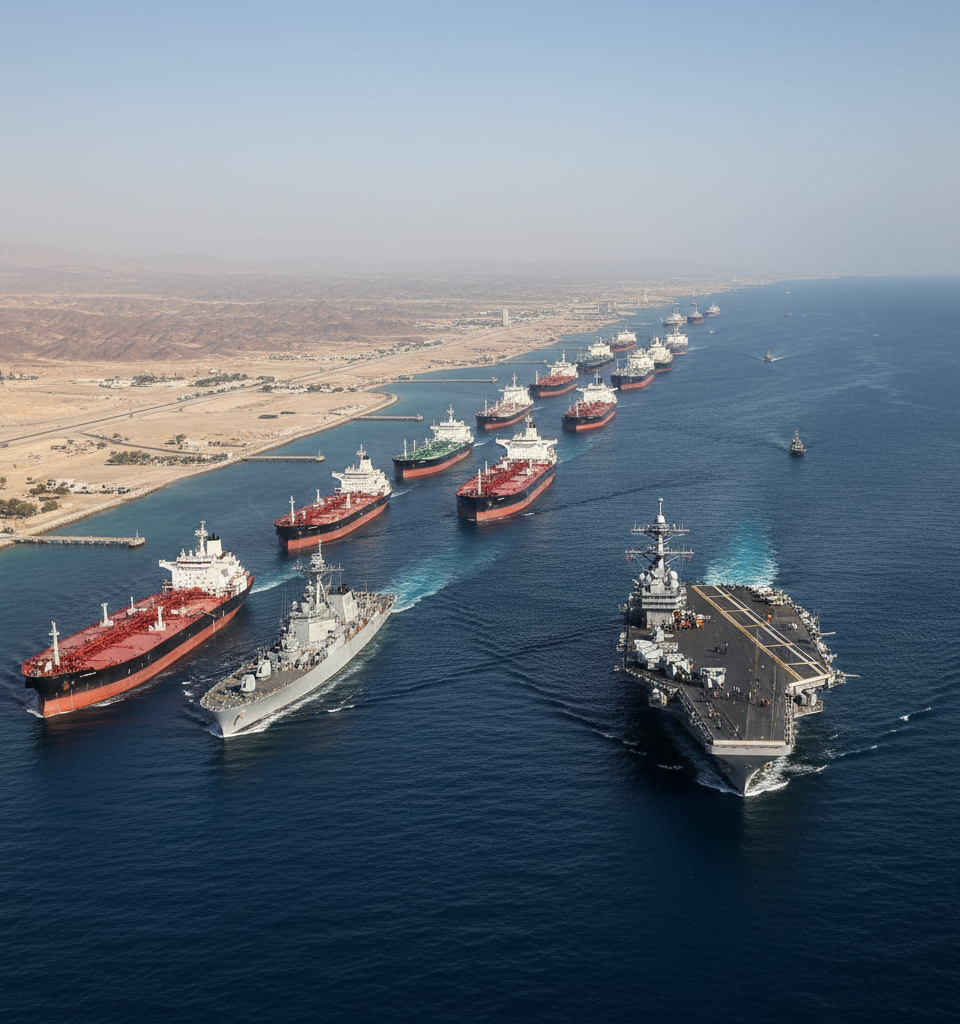
The United States Navy's blockade of Iran has today reached its fourth consecutive day, precipitating an unprecedented disruption to global oil supply chains. Tanker traffic through the strategically vital Strait of Hormuz has plummeted dramatically since the onset of the military action, triggering what analysts are characterizing as the most significant oil supply crisis in recorded history. The naval enforcement, aimed at curtailing Iranian maritime activity, has effectively halted a substantial portion of crude oil shipments originating from the Persian Gulf, sending shockwaves across international energy markets.
Geopolitical Tensions Escalate
This drastic reduction in shipping through the Strait, a chokepoint through which approximately one-fifth of the world's total oil consumption passes daily, underscores the severe geopolitical tensions currently gripping the Middle East. The U.S. naval presence, ostensibly in response to unspecified Iranian actions, has brought maritime commerce in the region to a near standstill. The blockade's immediate effect has been to create an acute shortage of crude oil supply, particularly impacting nations heavily reliant on Persian Gulf exports. Industry experts are warning of severe economic repercussions if the situation is not de-escalated swiftly, potentially leading to unprecedented price hikes and energy rationing in some regions.
Historic Supply Disruption
Historically, any significant impediment to shipping in the Strait of Hormuz has been met with immediate market volatility. However, the current U.S. Navy blockade represents an escalation far beyond previous incidents, such as isolated attacks on tankers or temporary port closures. The sustained nature of this military action, now in its fourth day, signifies a deliberate and comprehensive curtailment of tanker movements. The resultant plunge in traffic has transformed what might have been a market blip into a systemic crisis, with global oil inventories rapidly depleting. Energy analysts are struggling to quantify the full scope of the financial impact, but early estimates suggest billions of dollars in lost trade and increased costs for consumers worldwide.
Global Economic Fallout
The ripple effects of this blockade extend far beyond the immediate oil market. Industries reliant on petroleum products, from petrochemicals and manufacturing to transportation and agriculture, are bracing for significant price increases and potential shortages. Global supply chains, already strained by recent disruptions, are facing renewed pressure, threatening to exacerbate inflationary trends. Developing nations, heavily dependent on imported oil, are particularly vulnerable to the unprecedented price shocks and supply scarcity that are almost certainly on the horizon. The ongoing situation poses a significant threat to global economic stability, potentially pushing some economies into recession.
Strategic Implications for Global Trade
The strategic implications of this blockade are profound. Beyond the immediate energy crisis, the U.S. Navy's actions send a clear signal regarding the enforceability of maritime security in critical chokepoints. While the specific objectives of the blockade remain a subject of intense international debate, its execution highlights the vulnerability of global trade to geopolitical maneuvers. International bodies, including the United Nations and various maritime organizations, are reportedly monitoring the situation with extreme concern, urging all parties to seek diplomatic resolutions to prevent further escalation and mitigate the humanitarian and economic fallout.
Uncertain Path Forward
The duration and ultimate outcome of the U.S. Navy blockade remain highly uncertain. Diplomatic efforts, if any, are proving ineffective in quickly de-escalating the situation. The longer the blockade persists, the more entrenched the oil supply crisis will become, with increasing difficulty in restoring market stability even after the passage is reopened. The international community watches with bated breath, as the fourth day of this unprecedented military action solidifies its place as a pivotal moment in the history of global energy security and international relations. The path forward is fraught with peril, and the world is already experiencing the early tremors of a historic energy crisis.