Global businesses shipping goods internationally face potential cost increases and logistical challenges as U.S. port operations navigate uneven demand. Delays and fluctuating throughput can disrupt supply chains and impact delivery schedules for cross-border commerce.
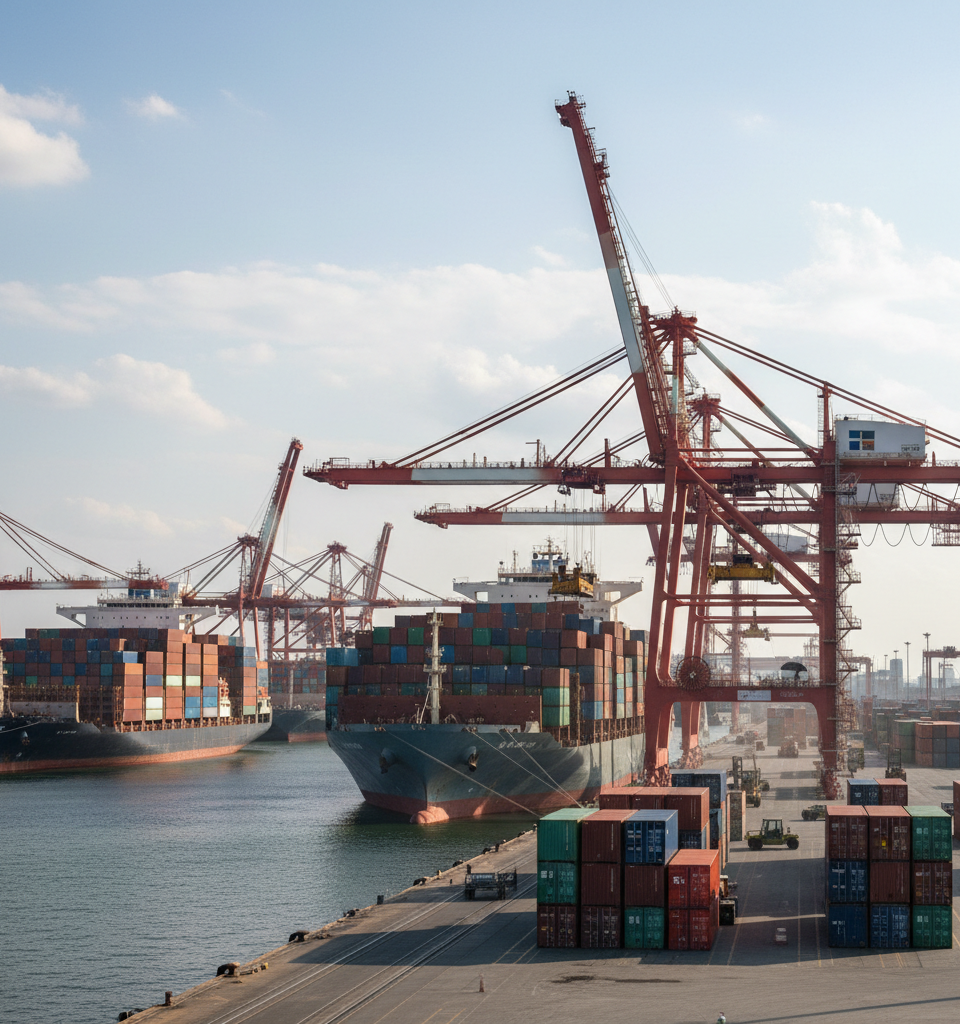
U.S. seaports observed a notable deceleration in cargo throughput during July, despite isolated segments that demonstrated strength. This slowdown reflects an evolving shipping landscape influenced by persistent capacity constraints and inconsistent volume patterns. The decrease in throughput suggests a moderation in the pace of goods moving through the nation's maritime gateways, a critical indicator for global trade health.
Context and Background
The maritime shipping industry, a backbone of global commerce, has faced significant volatility in recent years. Supply chain disruptions, often exacerbated by geopolitical events and consumer demand shifts, have created a complex environment. After periods of unprecedented surges, port operators and shipping lines have been working to stabilize operations. The July figures offer a glimpse into the ongoing rebalancing, highlighting that recovery is not uniform across all trade lanes or cargo types.
Historically, robust port volumes often correlate with strong economic activity and consumer spending. A deceleration, even with pockets of strength, can signal underlying shifts in demand or supply chain efficiency. The U.S. seaport network is a vital artery for international trade, handling billions of dollars in goods annually. Any significant change in its throughput directly impacts businesses reliant on imports and exports.
Key Factors Influencing July's Performance
The primary drivers behind the July deceleration, according to industry experts, are twofold: uneven volume distribution and persistent capacity constraints. Uneven volume refers to the inconsistency in cargo traffic across different ports and terminals. While some segments or specific ports might have seen robust activity, others experienced a more pronounced slowdown. This creates operational inefficiencies, as resources might be underutilized in some areas while remaining strained in others.
Capacity constraints, a recurring theme since the pandemic, continue to plague the shipping industry. These constraints can manifest as a shortage of available vessels, limited berth space, inadequate dockside equipment, or insufficient labor. Even with a slowdown in overall throughput, these bottlenecks prevent the smooth flow of goods, contributing to potential delays and higher operational costs for shippers.
Industry and Market Impact
This deceleration could have several implications for industries that rely heavily on maritime logistics. Retailers, manufacturers, and e-commerce businesses might experience longer lead times or face increased pressure on inventory management. For global sellers, understanding these port dynamics is crucial for forecasting delivery schedules and managing customer expectations. The unevenness in volumes also means that some trade routes or product categories may be more affected than others, requiring businesses to adapt their sourcing and distribution strategies.
The shipping industry itself may see continued pressure on freight rates and vessel utilization. While a slowdown might ease some congestion, the underlying capacity issues mean that stability could remain elusive. Port authorities will likely need to adjust staffing and operational plans to match the fluctuating demand, ensuring they can capitalize on pockets of strength while managing overall reduced activity.
Expert Perspective
Analysts closely monitoring the shipping sector point to the complex interplay of factors contributing to July's results. They emphasize that while a broad deceleration indicates a cooling off, the "pockets of strength" signify that demand has not evaporated entirely. Rather, it has become more selective or shifted geographically. This nuanced picture requires a careful assessment to avoid overinterpreting the overall slowdown as a widespread economic downturn. Experts suggest that businesses should anticipate continued variability and maintain flexible supply chain strategies.
Future Implications
Looking ahead, the shipping landscape is expected to remain dynamic. The persistent challenges of uneven volume and capacity constraints will likely continue to shape port performance in the coming months. Businesses involved in international trade should closely monitor port statistics and expert analyses to anticipate further shifts. Investing in diversified supply chain routes and technology that provides real-time visibility could become even more critical for mitigating risks associated with these ongoing fluctuations. The long-term stability of global supply chains will depend on how effectively these fundamental issues are addressed by ports, carriers, and shippers alike.