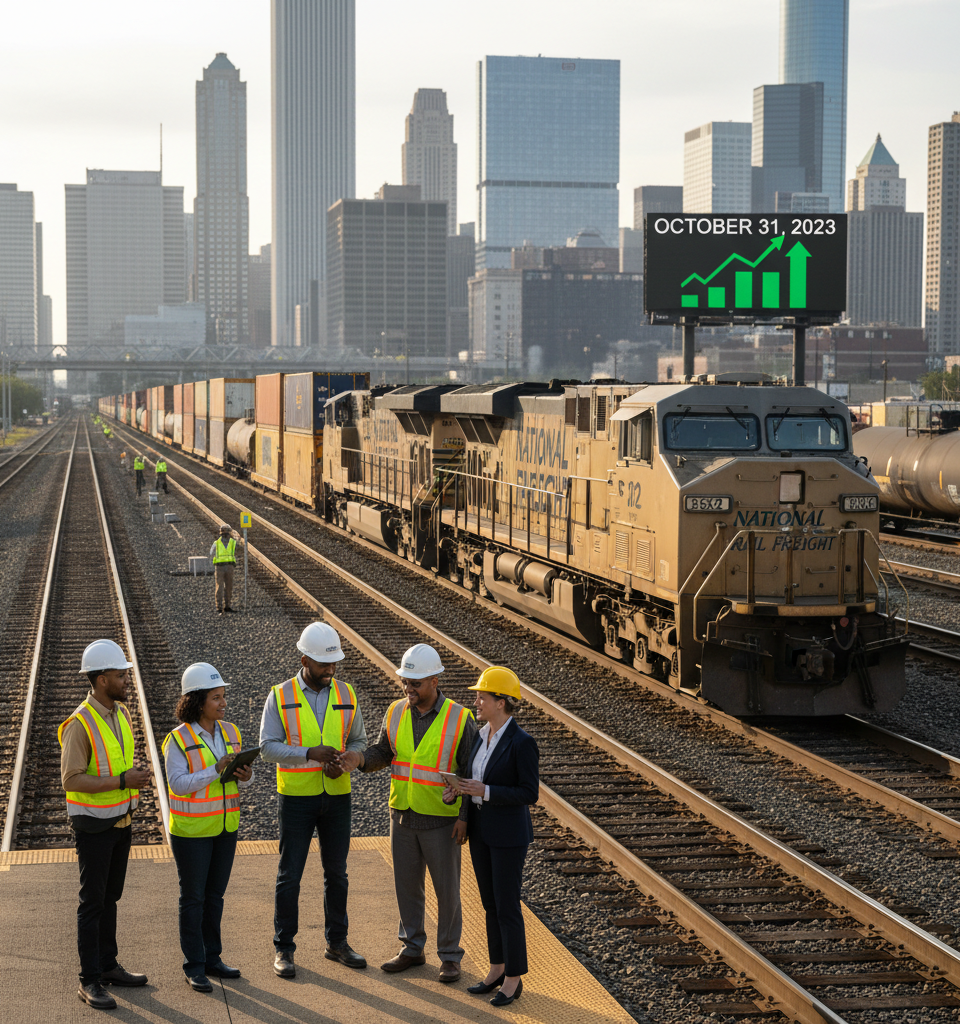
WASHINGTON D.C. — U.S. freight rail volumes achieved their best monthly performance in several years during March, marking a significant turning point and signaling a broader economic recovery across diverse industrial sectors. Analysis released by the Association of American Railroads (AAR) highlights a substantial uplift in carload and intermodal traffic, underscoring renewed demand for the transportation of a wide array of goods. This notable resurgence in rail activity provides a critical barometer for the nation's economic health, suggesting a positive trajectory after periods of volatility and stagnation.
Historical Context and Economic Significance
The robust March figures acquire particular significance when viewed against a backdrop of fluctuating freight demand over the past few years, influenced by supply chain disruptions, shifts in consumer spending, and evolving manufacturing outputs. Freight rail, often considered a bellwether for the industrial economy, typically reflects activity in sectors ranging from manufacturing and agriculture to energy and retail. The extended period of subdued volumes had raised concerns about underlying economic weakness. Therefore, this pronounced recovery in traffic not only indicates an organic increase in goods movement but also suggests a stabilization and potential expansion of industrial production and trade.
Key Metrics Drive Optimism
According to the AAR's detailed report, total U.S. freight rail traffic in March 2024, encompassing both carloads and intermodal units, climbed notably when compared to the same period in previous years. While specific percentage increases for total traffic are still being finalized, preliminary data indicates significant year-over-year growth in key comodity groups. For instance, chemicals, motor vehicles, and metallic ores and products showed particularly strong gains, often seeing double-digit percentage increases. Intermodal traffic, which primarily handles containerized goods reflecting consumer demand and international trade, also demonstrated robust expansion, contributing substantially to the overall positive performance. These figures collectively represent the most favorable monthly outcome since at least 2021, if not earlier for certain segments, injecting considerable optimism into the logistics and economic outlook.
Industry-Wide Ripple Effects
This surge in rail freight has profound implications for a multitude of industries. For the railroad operators themselves, it translates directly into increased revenue opportunities, potentially bolstering capital expenditure plans for infrastructure upgrades and capacity expansion. Beyond the rail industry, improved freight fluidity and higher volumes are indicative of rising demand for raw materials and finished goods, benefiting manufacturing, mining, agriculture, and retail sectors. Trucking and warehousing, often complementary to rail, could also experience knock-on effects, either through collaborative short-haul movements or increased overall demand within the logistics ecosystem. A reliable and efficient rail network is fundamental to the competitiveness of U.S. industries on a global scale.
Expert Analysis and Market Sentiment
Industry analysts and economists have largely welcomed the March data as a strong confirmation of nascent economic recovery. Dr. Eleanor Vance, a senior economist specializing in transportation logistics, commented, "These AAR numbers are not just a blip; they suggest a fundamental strengthening of industrial demand. The breadth of commodities showing growth is particularly encouraging, indicating a well-distributed recovery rather than an isolated sector boom." Equity markets have also reacted positively, with shares of major freight rail companies seeing an uptick following the preliminary reports, reflecting investor confidence in sustained operational improvements and revenue growth. The sentiment among supply chain managers has also shifted towards cautious optimism, anticipating a more predictable and robust demand environment.
Future Outlook and Potential Headwinds
Looking ahead, the sustainability of this positive trend will depend on various factors, including global economic stability, consumer spending patterns, and potential geopolitical developments. Railroad executives are cautiously optimistic, with many anticipating continued, albeit possibly more moderate, growth through the second and third quarters of 2024. Investments in digital transformation, network optimization, and alternative fuels are expected to continue as rail companies adapt to evolving market demands and environmental regulations. However, challenges such as labor availability, ongoing infrastructure maintenance needs, and potential inflationary pressures on operational costs remain on the horizon. Despite these, the March performance offers a solid foundation for robust growth and cements rail's vital role in the national and international supply chain network.
Capital Expenditure and Operational Enhancements
The improved financial outlook stemming from increased traffic is expected to fuel renewed capital expenditure across the major Class I railroads. Investments are anticipated in key areas such as track and bridge maintenance, locomotive upgrades, and technology to enhance network efficiency and safety. These capital injections are crucial for accommodating future growth and maintaining the competitive edge of rail transport. Furthermore, some railroads are exploring expansions of intermodal facilities and connections to key port regions to capitalize on anticipated increases in international trade volumes, reinforcing their strategic importance within the broader logistics framework.
Environmental and Regulatory Perspectives
From an environmental standpoint, increased freight rail utilization is generally viewed favorably due to its lower carbon footprint per ton-mile compared to trucking. This aligns with broader sustainability goals and could see greater government and industry support for modal shifts. Regulatory bodies will continue to monitor rail safety and service reliability, ensuring that the drive for increased volumes does not compromise operational standards. The industry's ability to balance growth with enhanced safety and environmental stewardship will be critical for long-term success and public perception.