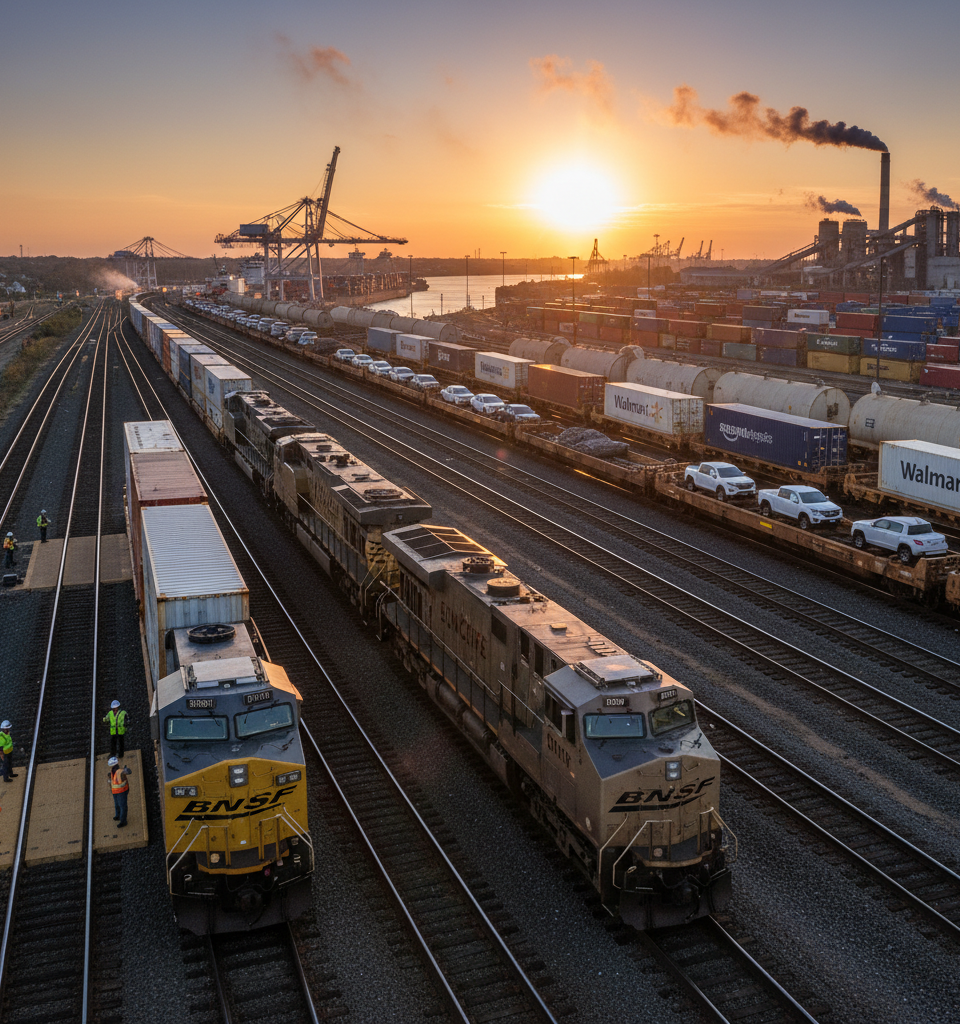
U.S. rail freight volumes experienced a notable upsurge across the board in the most recent weekly reporting period, according to newly released industry data. Both intermodal shipments and key bulk commodities like grain registered breakout strength, providing a potent indicator of increased economic activity and potentially easing logistical bottlenecks nationwide. This widespread growth suggests a robust underlying demand driving product movement through critical transportation channels.
Context and Significance
The performance of the U.S. rail sector serves as a crucial barometer for the nation's economic vitality. Rail networks are integral to moving everything from consumer goods (via intermodal containers) to agricultural products, industrial chemicals, and manufactured components. A sustained upturn in rail freight volumes, particularly when broad-based, often precedes or coincides with improvements in manufacturing output, consumer spending, and international trade. This recent surge follows a period of fluctuating demand and supply chain disruptions that have impacted various sectors over the past year, making the current positive trend particularly noteworthy for its potential implications on future economic projections.
Key Performance Indicators
Detailed figures reveal comprehensive gains across major categories. Intermodal freight, which includes ocean containers and domestic trailer traffic, posted a substantial increase, reflecting heightened activity in both importing goods and domestic distribution. Grain shipments, a vital component of agricultural exports and animal feed production, also showed significant improvement, driven by strong export demand and favorable harvest conditions in some regions. While specific percentage increases vary by commodity and reporting agency, the overall consensus points to a market-wide expansion. This breadth of growth is a more compelling signal than isolated gains in a single commodity, indicating systemic improvements rather than temporary blips.
Industry and Market Impact
This robust rail performance has several direct implications for the broader economy and various industries. For manufacturers and retailers, increased intermodal volumes suggest more predictable supply chains and potentially lower transportation costs, which can translate into more stable pricing and better inventory management. For the agricultural sector, strong grain movements facilitate timely exports and reduce storage pressures, benefiting farmers and agribusinesses. Furthermore, the increased demand for rail services could lead to further investment in rail infrastructure, technology, and workforce development, contributing to long-term efficiency gains within the transportation ecosystem. The positive momentum could also impact related industries, such as trucking (which often handles the first and last mile of intermodal shipments) and warehousing.
Expert Perspectives
Industry analysts are largely optimistic yet cautious about the sustainability of this trend. "While this week's data is undeniably strong and encouraging, we'll be watching closely to see if these gains hold over the coming quarters," noted a prominent transportation economist speaking on background. "The broad nature of the strength, particularly in intermodal and grain, suggests underlying economic resilience. However, factors like energy prices, labor availability, and geopolitical developments could still influence future volumes." Other experts point to resilient consumer spending and a modest rebound in industrial production as key drivers, suggesting that businesses are restocking inventories and fulfilling orders at an accelerated pace.
Future Outlook and Developments
The immediate future for U.S. rail freight appears positive, assuming current economic conditions persist. Railroad operators are likely to continue focusing on network efficiency and customer service to capitalize on the increased demand. Potential developments include continued investment in digital tracking technologies and enhanced yard operations to minimize delays. Stakeholders will be monitoring upcoming economic reports, including retail sales and manufacturing PMIs, which will offer further insights into the sustained demand for freight services. The industry will also be observing global trade patterns and agricultural forecasts, which critically influence key commodity segments like intermodal and grain, respectively. The ongoing strength could indicate a more robust economic recovery than some initial forecasts predicted earlier in the year.