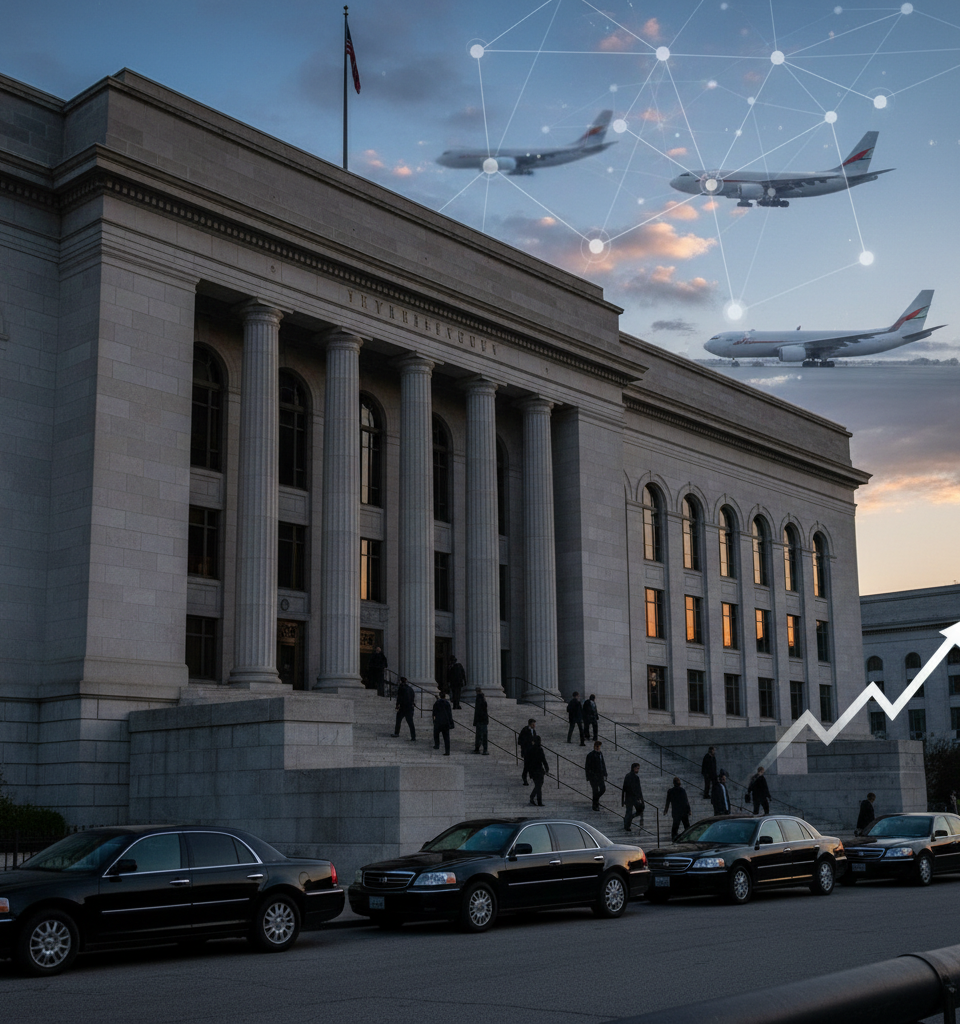
Global supply chains and energy markets face amplified volatility. This latest U.S. move could exacerbate existing geopolitical tensions, impacting trade routes and potentially driving up operational costs for international businesses.
The United States has moved to impose sanctions on all Iranian airlines that were not already subject to such measures. This action is part of a broader initiative dubbed "Operation Economic Outcast." The goal is to intensify financial pressure on Iran. This development unfolds as regional conflict continues to spread and global oil prices experience an upward trend.
Background to Intensified Pressure
This latest round of sanctions represents a significant expansion of the U.S. strategy to isolate Iran economically. Previous sanctions had targeted specific entities and individuals within the Iranian aviation sector. The current move encompasses all remaining Iranian carriers. It signals a comprehensive approach to restrict Iran's access to international markets and resources. The timing coincides with heightened instability in the region, which has seen conflicts spill over borders and create broader geopolitical challenges.
"Operation Economic Outcast" Details
"Operation Economic Outcast" is the umbrella term for the U.S. administration's ongoing campaign to apply maximum economic pressure on Iran. By sanctioning all unsanctioned airlines, the U.S. aims to further limit Iran's ability to conduct international trade, transport goods and personnel, and generate revenue. These measures typically involve freezing assets under U.S. jurisdiction and prohibiting U.S. persons and entities from engaging in transactions with the designated airlines. This can also deter non-U.S. entities from doing business with them due to fears of secondary sanctions.
Industry and Market Impact
The blanket sanctions on Iranian airlines will severely restrict Iran's civil aviation sector. It will make it exceedingly difficult for these airlines to operate international routes, access spare parts, or secure necessary insurance. For the broader global market, the main concern revolves around oil prices. As regional tensions escalate and sanctions increase, the potential for disruptions to oil supplies grows. This uncertainty is already reflected in rising oil prices, adding a cost burden to businesses and consumers worldwide. Shipping and logistics firms operating in or near the region may also face increased risks and costs.
Broader Geopolitical Context
The U.S. decision comes amid a spreading conflict in the region. This conflict has already contributed to instability and concerns about global energy security. The U.S. views these sanctions as a tool to curb Iran's regional influence and its perceived role in supporting destabilizing activities. The interconnectedness of regional conflicts and global markets means that economic actions like these can have far-reaching consequences beyond the immediate targets.
What Lies Ahead
This move is expected to provoke a strong response from Tehran, though the exact nature of that response remains to be seen. The long-term efficacy of these sanctions in altering Iranian policy is a subject of ongoing debate among international observers. Businesses with exposure to the Middle East or energy markets will need to closely monitor developments. Further escalations in regional conflicts or additional economic measures could introduce more volatility into commodity prices and international trade flows. The focus will be on how Iran adapts to these new restrictions and whether other nations adjust their engagements with Tehran in response to the U.S. pressure.