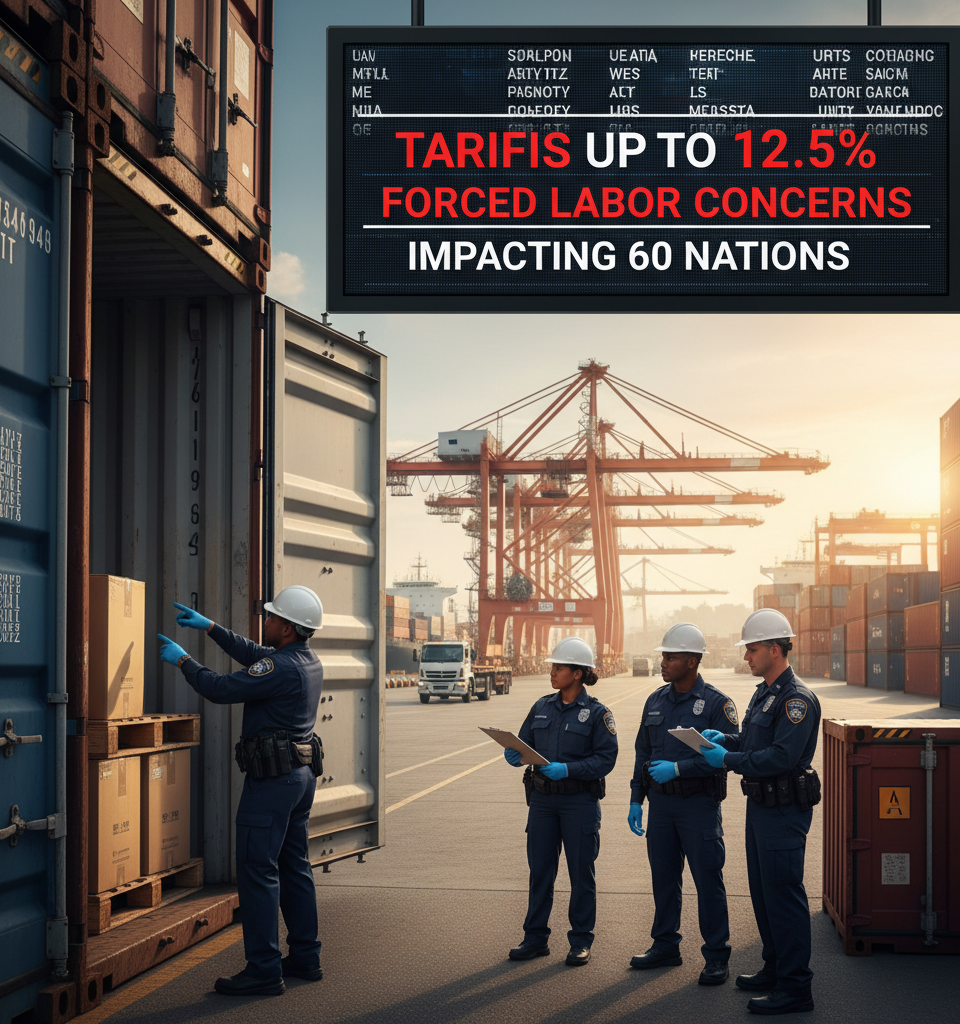
The United States government is moving to impose new tariffs, reaching up to 12.5%, on goods imported from 60 countries. This punitive measure targets nations that Washington asserts have failed to adequately address the pervasive issue of forced labor in the production of their exports. The initiative underscores a growing global focus on ethical supply chains and could significantly recalibrate international trade dynamics.
Context of Global Supply Chains and Human Rights
This development arrives amid long-standing concerns regarding human rights abuses in global manufacturing and agricultural sectors. For years, consumer advocacy groups and international organizations have pressured governments to hold trading partners accountable for exploitative labor practices. The U.S. stance reflects a broader pivot towards using economic leverage to enforce human rights standards, particularly as supply chains become increasingly complex and opaque. Previous iterations of trade policy have, at times, overlooked or inadequately addressed these issues, making the current administration’s aggressive approach a notable shift.
Key Details of the Tariff Implementation
The tariffs, which range "up to 12.5%," will apply to a diverse array of goods originating from the 60 identified countries. While the specific list of nations and affected products has not been fully detailed, the broad scope suggests a comprehensive effort to disrupt supply chains implicated in forced labor. The justification for these tariffs is rooted in the U.S. claim that these countries "haven’t done enough to stop imported goods made with forced labor." This implies that the U.S. has conducted extensive evaluations of labor practices and enforcement mechanisms in these nations, deeming their efforts insufficient.
Potential Industry and Market Impact
The imposition of these tariffs is expected to send ripples across various industries. Importers and retailers in the United States will likely face increased costs for goods sourced from the affected countries, potentially leading to higher consumer prices or shifts in procurement strategies. Manufacturers relying on components or raw materials from these nations may need to re-evaluate their supply chains, seeking alternative suppliers in countries not subject to these tariffs. The freight and logistics sector, as reported by FreightWaves, will also feel the immediate impact through altered shipping routes, increased customs complexities, and potentially reduced cargo volumes from the targeted regions. This could also catalyse greater investment in supply chain transparency technologies and auditing processes.
Future Implications and Geopolitical Dynamics
The U.S. initiative is not merely an economic policy; it carries significant geopolitical weight. It could strain diplomatic relations with the targeted countries, some of whom may view the tariffs as an unwarranted interference in their internal affairs or a protectionist trade barrier. Conversely, it could also incentivize some nations to redouble their efforts to combat forced labor, thereby improving their international standing and avoiding future tariffs. The move could also set a precedent for other nations to adopt similar trade-based enforcement mechanisms for human rights, potentially reshaping global trade norms around ethical sourcing. The consistency and efficacy of the U.S. enforcement and its ability to withstand potential challenges from trading partners will be closely watched in the coming months.
The U.S. Department of Commerce and other relevant agencies are expected to provide further detailed guidance on the specific goods and entities affected by these new tariffs. Businesses operating within international supply chains are urged to closely monitor these developments and reassess their compliance frameworks to mitigate potential risks and adapt to the evolving regulatory landscape. The implementation timeline and any potential grace periods for compliance remain key areas of interest for the global trade community.