Context and Importance of Currency Swap Lines
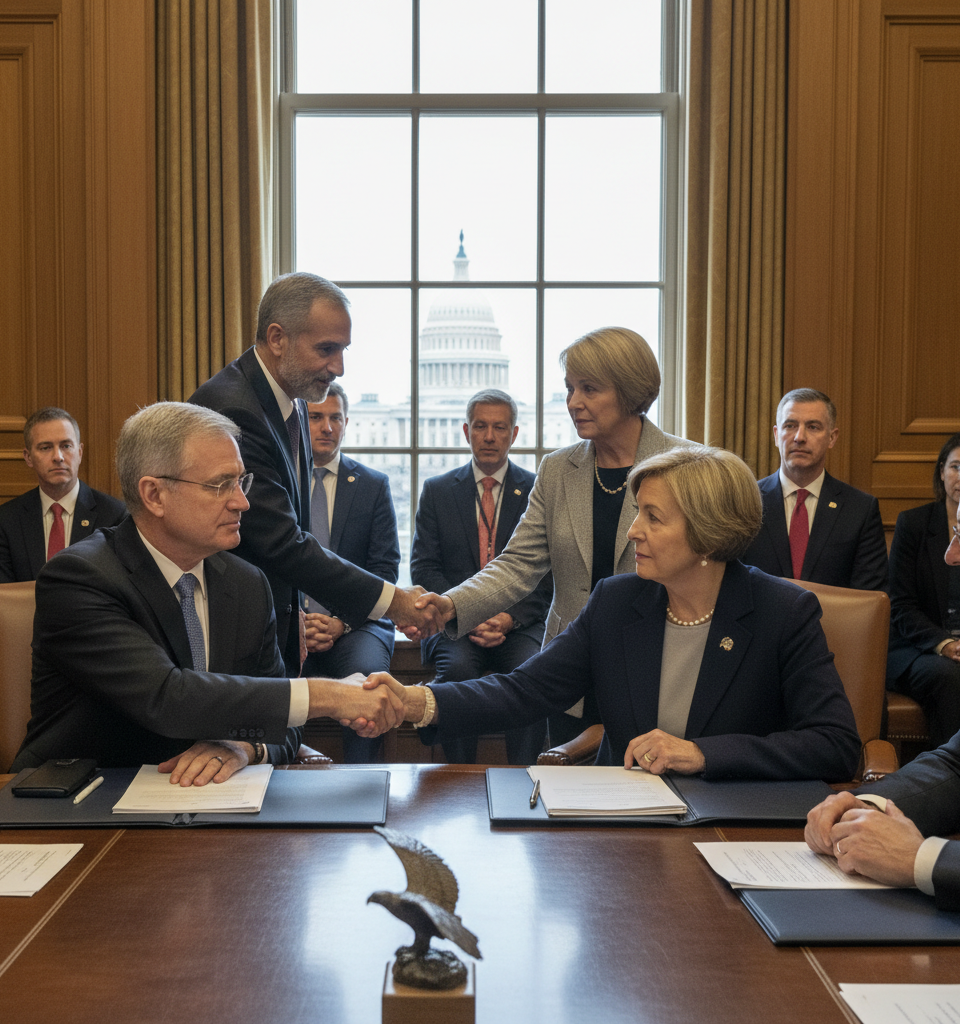
The exploration of a currency swap line – an agreement between two central banks to exchange currencies – is a significant development, particularly for a major global energy producer and financial hub like the UAE. Such agreements are typically deployed during periods of market stress to ensure ample liquidity for commercial banks and to stabilize local currencies. For the UAE, a swap line with the Federal Reserve would offer a substantial safety net, providing ready access to U.S. dollar liquidity should the need arise. This move reflects a broader trend among nations to forge stronger financial alliances in an increasingly interconnected and unpredictable global economy.
Key Details and Potential Motivations While the specifics of the proposed swap line, including its size and duration, remain under wraps, the fact that discussions have reached the central bank governor level underscores the seriousness of the talks. The
UAE dirham is pegged to the U.S. dollar, making direct access to dollar liquidity a paramount concern for the Emirates. The Wall Street Journal's reporting highlights that the discussions were exploratory, suggesting that a formal agreement is not imminent but is a tangible possibility. The motivations behind this pursuit likely stem from a desire to pre-emptively manage any potential capital outflows or foreign exchange pressures that could arise from global economic slowdowns, fluctuating oil prices, or intensified geopolitical tensions.
Broader Market and Geopolitical Implications
A currency swap line between the UAE and the U.S. would not only strengthen the financial architecture of the Gulf region but also carry significant geopolitical weight. It would deepen the economic ties between two strategic allies, further solidifying the U.S.'s influence in a critical part of the world. For the broader market, such an agreement could provide reassurance to investors regarding the stability of the UAE's financial system, potentially encouraging further foreign direct investment. It would also set a precedent for other nations in the region seeking similar reassurances, although the UAE's unique economic and strategic relationship with the U.S. makes its case distinct.
Expert Perspectives on the Development
Financial analysts are largely viewing this development as a prudent and forward-thinking move by the UAE. Dr. Marcus Fentress, an expert in international finance, commented, "In an era of rising global interest rates and potential recessions, securing access to dollar liquidity is a smart play for any central bank, especially one whose currency is pegged to the dollar. It’s a pre-emptive measure that speaks volumes about the UAE's commitment to financial stability." Other experts point out that while the UAE has substantial foreign reserves, estimated to be well over $100 billion, a swap line provides an additional layer of security and flexibility, sending a strong signal of confidence to international markets.
The Path Forward: Negotiations and Potential Outcome
The discussions are expected to continue, with both sides likely evaluating the economic and strategic merits of such an agreement. Reaching a formal currency swap line agreement would require congressional approval in the U.S., a process that can be complex and time-consuming. However, given the strategic importance of the UAE to the U.S., particularly concerning energy security and regional stability, there is a strong incentive for both parties to reach an amicable conclusion. The outcome of these negotiations could set a new benchmark for financial cooperation between the U.S. and its key allies in the Middle East, potentially paving the way for similar future arrangements.
Economic Indicators and Future Outlook The
UAE’s economy has shown robust growth, with the IMF projecting a 4.3% GDP growth for 2023. Strong oil prices, coupled with proactive diversification efforts, have contributed to a healthy fiscal position. However, global uncertainties, including inflation and potential recessions in major economies, necessitate a cautious approach. A currency swap line would serve as a powerful instrument to mitigate external shocks, ensuring that the UAE can maintain its economic momentum and continue to attract international business and investment, cementing its position as a global financial hub.