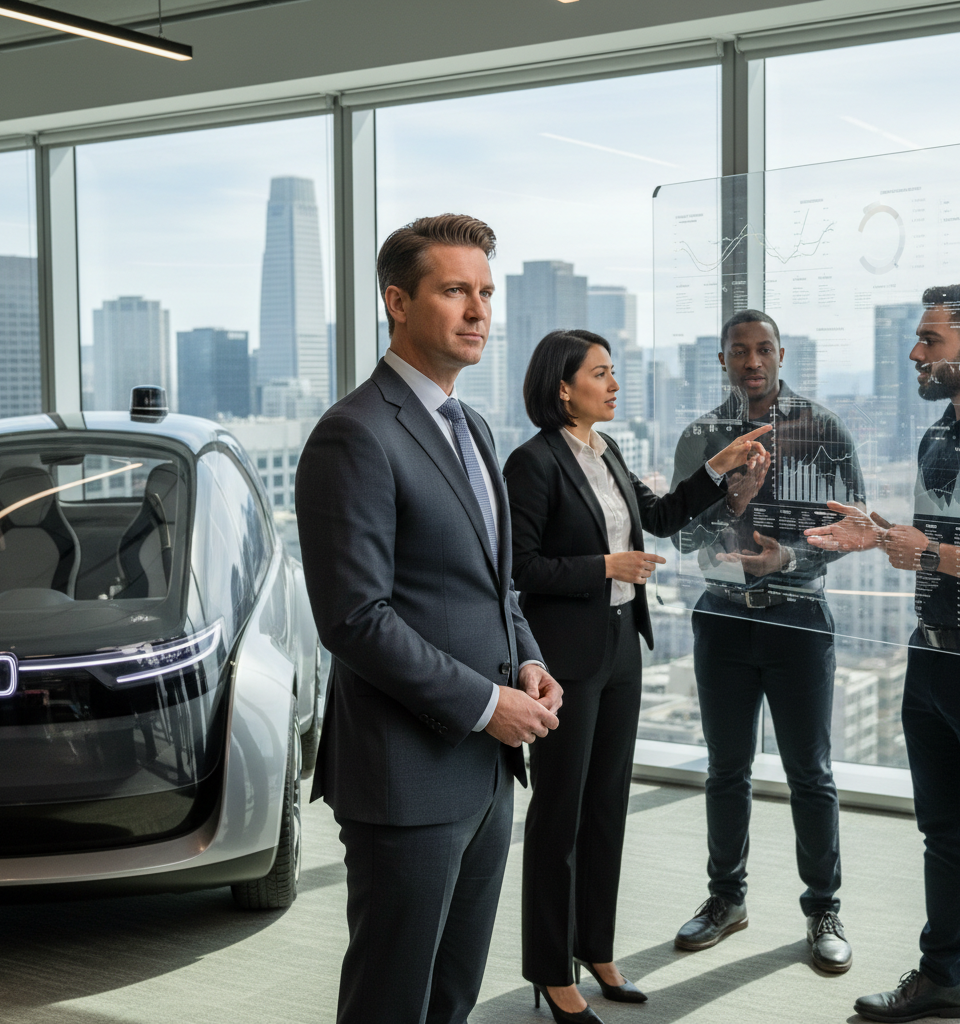
Uber's President and Chief Operating Officer, Andrew Macdonald, is poised to offer a comprehensive look into America's current economic landscape, as seen through the lens of the ride-sharing giant's real-time operational data. Macdonald's insights, drawn from Uber's pervasive presence across the country, are expected to reveal critical trends in consumer spending and behavior, particularly in an environment characterized by surging fuel prices. The executive's upcoming discussion also promises to address the intricate and often uncomfortable question of Uber's responsibilities to its millions of drivers as the company aggressively pursues autonomous vehicle technology.
A Barometer of the American Economy
Few enterprises today possess the granular, real-time data flow that Uber commands, positioning it as an unusually potent barometer for tracking the nuances of the American economy. The company's operations, spanning countless daily transactions and movements, provide immediate feedback on how economic shifts, such as elevated gasoline costs, directly influence user demand and driver supply. This direct interface with millions of consumers and independent contractors offers a dynamic perspective that traditional economic indicators might lag or miss entirely. Macdonald's perspective is particularly relevant given his role overseeing global operations, providing him with a holistic view of both micro and macro economic pressures.
Navigating Consumer Behavior Amidst Surging Gas Prices
Macdonald is expected to elaborate on how Uber's data reflects shifts in consumer behavior in response to recent surges in gas prices. This could include changes in ride frequency, preferred ride options (e.g., opting for shared rides over private ones), or even shifts in travel patterns as individuals attempt to mitigate increased transportation costs. Such observations are invaluable for understanding how inflationary pressures translate into tangible alterations in everyday life and spending habits, offering a more immediate picture than quarterly reports or consumer sentiment surveys. The interview is anticipated to delve into specific metrics and trends gleaned from Uber’s platform, providing a data-driven narrative on these economic challenges.
The Autonomous Vehicle Conundrum and Driver Obligations
A pivotal segment of Macdonald's discussion will likely center on the ethical and operational ramifications of Uber's sustained push into autonomous vehicle technology. This forward-looking strategy inevitably raises fundamental questions about the future role of human drivers within the company's ecosystem. Macdonald is slated to confront the "uncomfortable question" regarding what Uber genuinely owes its vast network of drivers, many of whom rely on the platform for their livelihoods. This includes considering potential transition plans, alternative opportunities, or support mechanisms as autonomous vehicles gradually become more integrated into the service. The company's balancing act between technological advancement and its human workforce is a critical point of public and industry scrutiny.
Industry and Market Implications
Uber's strategic direction and its insights into the economy have broader implications for the gig economy, urban mobility, and the technology sector. The company's approach to driver compensation, benefits, and the integration of new technologies often sets precedents or sparks wider debates across the industry. Macdonald’s commentary could also shed light on how other platform-based companies might be experiencing similar economic pressures and consumer shifts. The ongoing interplay between technological innovation, labor economics, and regulatory frameworks remains a significant challenge and opportunity for the entire sector.
Looking Ahead: The Future of Mobility
The insights provided by Macdonald will serve as a crucial indicator for the future trajectory of urban transportation and labor dynamics. As Uber continues to refine its business model in a rapidly evolving economic and technological landscape, the company's ability to adapt, innovate, and address its social responsibilities will be closely watched. The ongoing dialogue regarding driver classification, compensation, and the transition to autonomous fleets will undoubtedly remain central to Uber’s strategic agenda in the coming years. His remarks could offer a glimpse into how one of the world's largest mobility platforms intends to navigate these complex challenges.