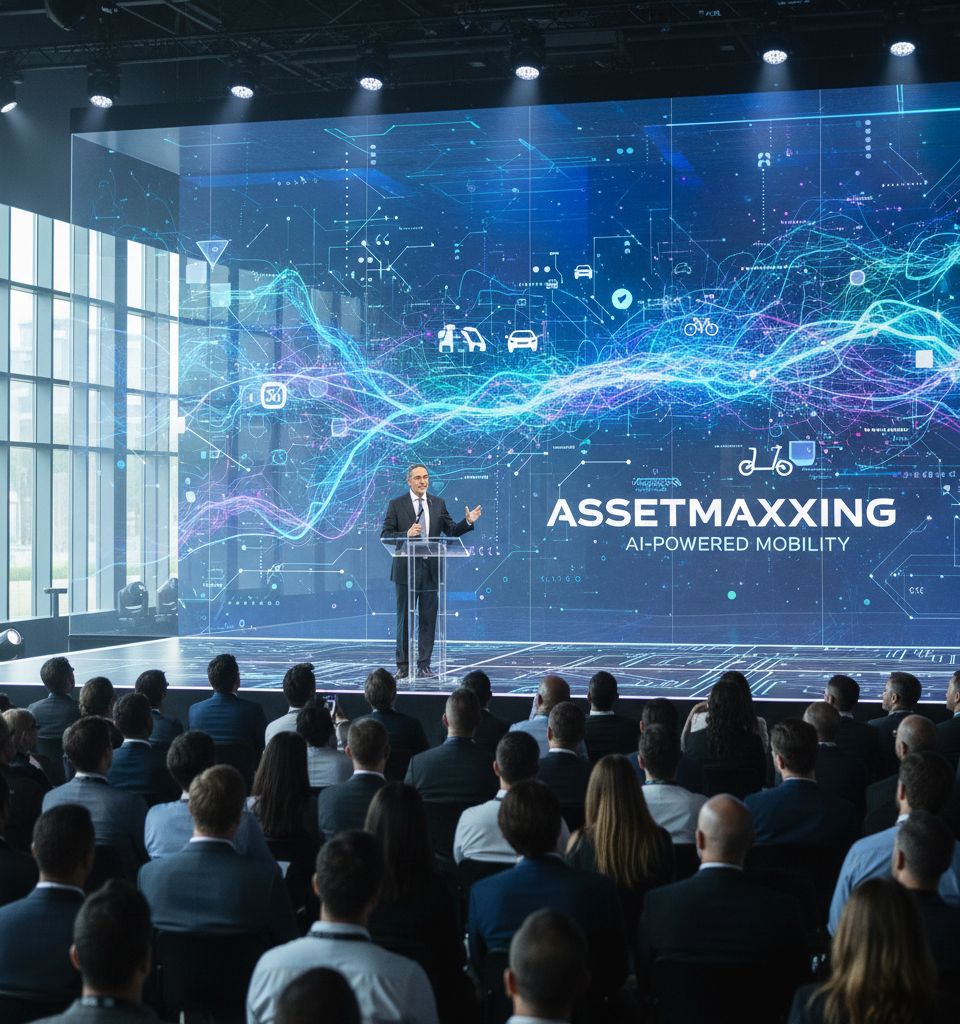
Context and the Drive for Efficiency
This strategic pivot is not entirely new for Uber, a company built on technological disruption, but the current emphasis marks a maturation of its data-driven approach. Historically, Uber's growth was fueled by aggressive expansion and market saturation. However, as the company matures and faces increased scrutiny over profitability and sustainability, the focus has shifted towards optimizing its existing resources. The 'assetmaxxing' concept points to a disciplined effort to extract maximum value from every component of its business, from dynamically pricing rides to optimizing delivery routes and predicting demand. This emphasis has become even more critical following periods of fluctuating demand and driver supply post-pandemic, making efficient resource allocation paramount for sustained growth and investor confidence.
Key Strategies and AI Integration At the heart of this 'assetmaxxing' strategy is advanced AI.
Uber is purportedly deploying machine learning algorithms across myriad functions. This includes predictive analytics for demand forecasting, dynamic pricing models that adjust in real-time based on traffic patterns, weather, and special events, and sophisticated route optimization for both ride-sharing and Uber Eats deliveries. Reports suggest an increased investment in AI research and development, with teams focused on developing algorithms that can identify underutilized assets, predict maintenance needs for vehicles, and even personalize user experiences to boost engagement. For instance, AI could be used to strategically position drivers in high-demand areas before a surge begins, or to consolidate orders for Uber Eats more efficiently, reducing delivery times and operational costs. While specific monetary figures for this AI investment are not publicly disclosed, industry estimates place such initiatives at hundreds of millions of dollars annually, underscoring their strategic importance.
Industry and Market Impact
Uber's deepened commitment to 'assetmaxxing' through AI holds significant implications for the broader mobility and logistics sectors. Rivals in ride-sharing, food delivery, and even traditional logistics companies will be compelled to accelerate their own technological advancements to remain competitive. This could trigger an 'AI arms race' in urban mobility, leading to more efficient, data-driven operations across the board. Furthermore, it could exert downward pressure on service costs for consumers in the long run, even as it empowers companies to achieve greater profitability per transaction. The efficiency gains could also reduce urban congestion and carbon emissions, if implemented thoughtfully, by optimizing vehicle movements and reducing deadhead miles.
Expert Perspectives and Analyst Outlook
Industry analysts view Uber's shift as a critical and necessary evolution. "This isn't just about cutting costs; it's about fundamentally rethinking how assets generate value," comments Sarah Chen, a senior analyst at Mobility Insights Group. "Uber's immense data trove, combined with sophisticated AI, allows them to unlock efficiencies that were unimaginable a decade ago. It's a move from sheer scale to intelligent scale." Experts also highlight the potential for improved unit economics, which has long been a concern for investors regarding gig economy companies. "If Uber can significantly reduce operational overheads and increase throughput per asset, it could set a new benchmark for profitability for platform-based services," adds Peter Davies from Global Tech Research.
The Road Ahead: Future Implications
Looking forward, Uber's 'assetmaxxing' trajectory will likely lead to further integration of autonomous vehicles into its network, where AI will play an even more central role in fleet management and navigation. We can also expect more personalized and dynamic service offerings, potentially leveraging AI to anticipate user needs before they are explicitly stated. The company might also explore new business models driven by these capabilities, such as offering its optimized logistics platform as a service to other enterprises. The success of this strategy will depend on continuous innovation in AI, ethical data usage, and the ability to adapt to regulatory changes, but the direction is clear: an increasingly intelligent, optimized, and asset-efficient Uber is emerging on the global stage.