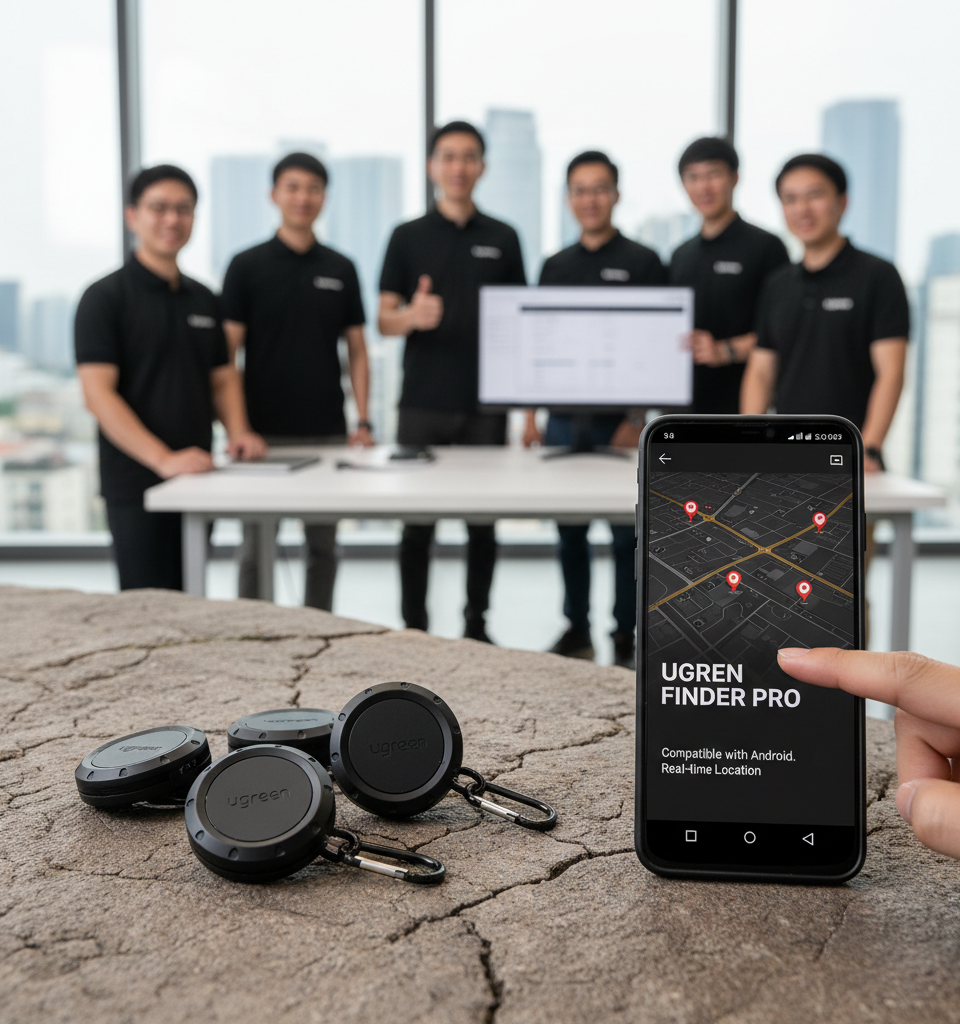
Ugreen, a prominent consumer electronics brand, has recently introduced its Finder Pro tags, offering a compelling alternative to established item trackers like Apple's AirTag. These new devices are distinguished by their reported double durability compared to many competitors and, critically, their seamless compatibility with Android smartphones, a significant departure from Apple's iOS-centric ecosystem. This launch expands consumer choice within the burgeoning item-tracking market, particularly for the vast Android user base often underserved by premium tracking solutions.
Item trackers have become increasingly popular for safeguarding personal belongings, from keys and wallets to luggage and pets. Apple’s AirTag, launched in April 2021, quickly gained significant market share due to its integration with the vast Find My network. However, its exclusivity to Apple devices and perceived fragility have left a segment of the market seeking alternatives. Ugreen's entry with the Finder Pro directly addresses these pain points, tapping into a demand for more rugged, cross-platform solutions.
The Ugreen Finder Pro tags reportedly incorporate advanced materials and a reinforced design, allowing them to withstand harsher conditions than many existing trackers. While specific IP ratings were not immediately detailed, the emphasis on enhanced durability suggests resilience against impacts, dust, and water. A primary feature is its Bluetooth Low Energy (BLE) connectivity, enabling it to connect with a wider array of devices, including Android phones via a dedicated Ugreen application. This broad compatibility not only extends its utility but also potentially leverages the wider Android user base for community-based finding networks, similar to Apple's Find My network.
The item tracking market, estimated to be worth over $500 million annually and projected to grow significantly in the coming years, is intensely competitive. While Apple holds a dominant position, companies like Tile, Samsung (with SmartTag), and now Ugreen are vying for a share. Ugreen’s strategy focuses on durability and multi-platform support, carving a niche that could appeal to users who find Apple's offerings limiting or too fragile for everyday use. This shift could lead to increased innovation across the sector as companies strive to differentiate through features like battery life, range, and network size.
Industry analysts view Ugreen's move as a strategic play to capture a segment of the market that values robustness and platform neutrality. "The success of AirTag demonstrated the immense demand for item tracking," noted Dr. Eleanor Vance, a technology market analyst at TechInsights. "However, Android users have long sought a truly comparable, high-quality solution. If Ugreen can deliver on its durability claims and build out a reliable finding network, it stands to gain substantial traction." She further suggested that such competition often drives down prices and boosts innovation across the entire product category, benefiting consumers in the long run.
Looking ahead, the success of the Ugreen Finder Pro will largely depend on its ability to build a robust and reliable finding network, mirroring the scale and efficiency of Apple's. Future developments may include integration with established smart home ecosystems, enhanced ultra-wideband (UWB) support for more precise location tracking, and exploring sustainable materials in its manufacturing processes. The emergence of strong contenders like Ugreen signals a dynamic future for item tracking, pushing incumbents to innovate and offering consumers a richer array of choices.