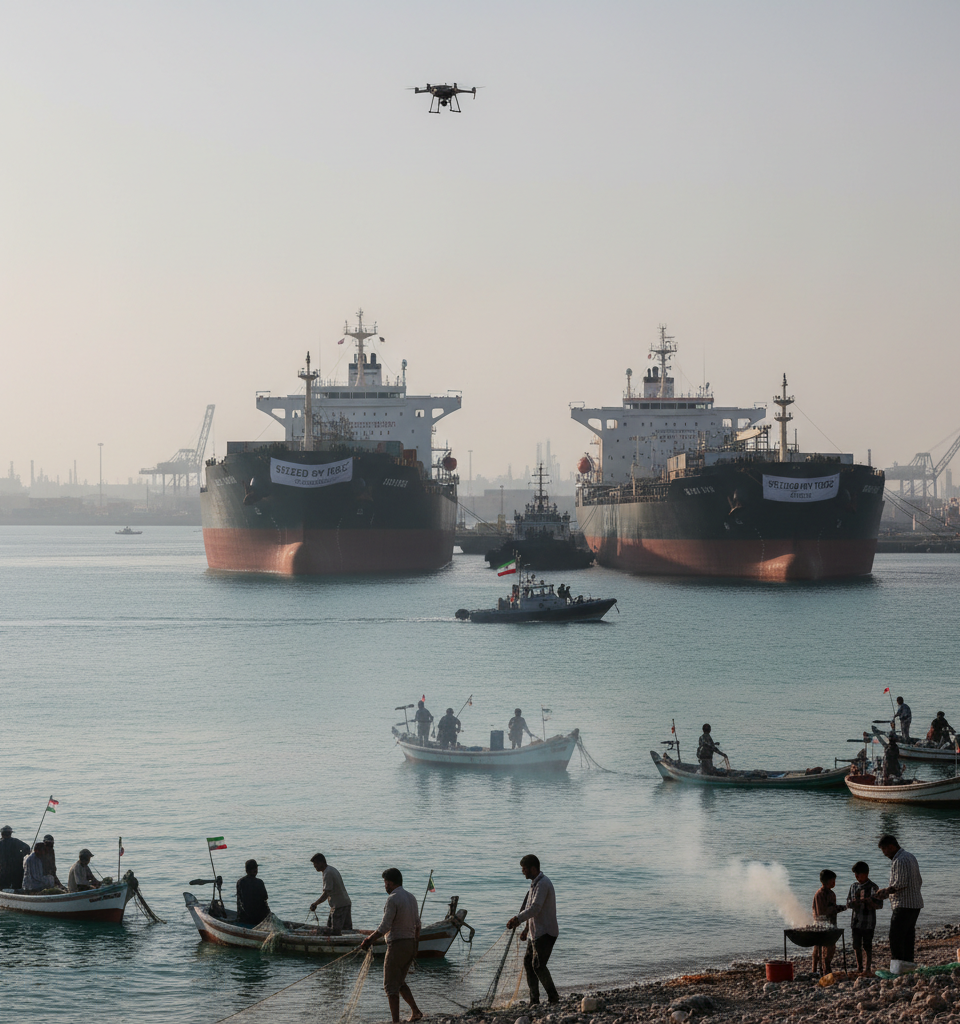
For the first time, international journalists, specifically from the BBC, have been granted access to the Iranian side of the Strait of Hormuz, visiting the port city of Bandar Abbas. This unprecedented access on 2026-07-03 provides a rare window into a geopolitically volatile region, revealing an uneasy calm beneath the surface of international shipping lanes. The report details the noticeable presence of previously seized vessels alongside the ongoing maritime activities of local shark fishermen, painting a complex picture of a strategic waterway striving for normalcy amidst persistent tensions.
Context of a Critical Chokepoint
The Strait of Hormuz, a narrow passage between the Persian Gulf and the Arabian Sea, remains one of the world’s most critical maritime chokepoints. Roughly one-fifth of the world's total oil consumption, along with a significant portion of liquefied natural gas, passes through this strait daily. Its strategic importance has historically made it a flashpoint for international disputes, particularly between Iran and Western powers. Incidents involving ship seizures, drone encounters, and naval posturing have repeatedly underscored the inherent instability of the region, making any direct journalistic observation from the Iranian perspective exceptionally significant.
Seized Vessels and Maritime Life
The BBC's report from Bandar Abbas highlights the visual confirmation of vessels previously seized by Iranian authorities, now seemingly anchored in the port. While the specific identities or conditions of these ships were not detailed, their presence serves as a tangible reminder of past escalations. Juxtaposed against this scene are the daily operations of Iranian shark fishermen, whose livelihoods depend on the very waters that are subject to such intense international scrutiny. Their continued presence signifies a return to a fragile routine, where economic necessity dictates daily activities despite the broader geopolitical currents. The interaction between these local fishing communities and the stark symbols of international conflict creates a palpable sense of the uneasy coexistence defining the strait.
Broader Regional Impact
The situation in the Strait of Hormuz profoundly impacts global oil markets and maritime insurance rates. Any disruption, perceived or real, can send ripples through international trade and energy prices. The current “uneasy calm” suggests that while overt hostilities may be absent, the underlying risks remain. Shipping companies operating in the region continue to factor in higher risk premiums, and naval patrols by various nations underscore a persistent vigilance. The ability of local economies, such as the fishing industry surveyed by the BBC, to adapt and persist amidst these conditions offers insight into the resilience required for life in such a sensitive area.
Navigating Future Implications
Looking ahead, the stability in the Strait of Hormuz remains contingent on complex diplomatic dynamics and regional security arrangements. The rare access granted to international journalists could be interpreted in various ways – perhaps as a signal from Tehran of a desire for transparency, or as an attempt to normalise the perception of its control over its territorial waters. Regardless, the observations from Bandar Abbas confirm that while the overt crises may have subsided for now, the Strait of Hormuz continues to be a meticulously watched arena.
The interaction between strategic power plays and the daily lives of those who live and work along its shores will undoubtedly continue to shape its future narrative, with the threat of renewed tensions never far from the surface. The enduring presence of both seized assets and bustling local industries signifies a fragile equilibrium that could shift with little warning.