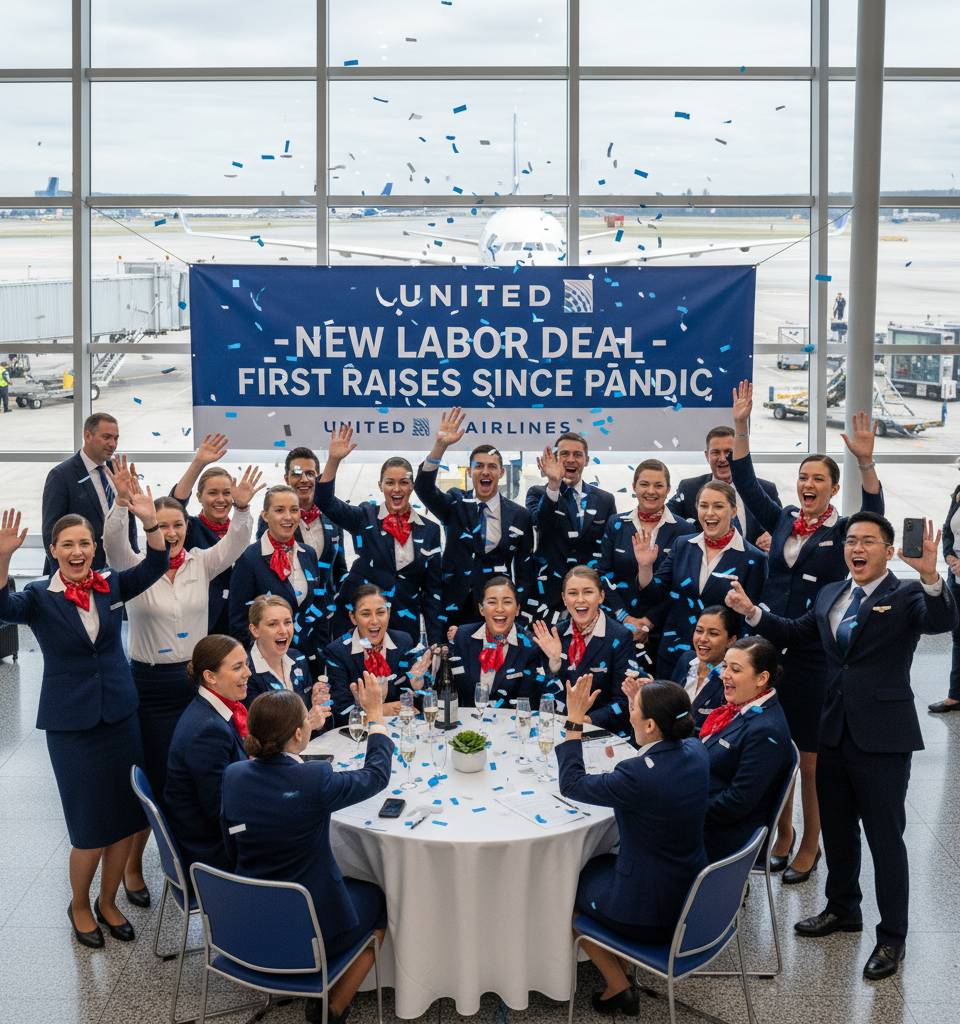
CHICAGO, IL – [Date] – United Airlines and the Association of Flight Attendants-CWA (AFA-CWA), representing over 25,000 flight attendants, have announced a tentative agreement on a new four-year labor contract. This landmark deal signals the end of a protracted period of stagnant wages for flight attendants, marking their first pay increases since the onset of the COVID-19 pandemic, which devastated the airline industry and led to widespread concessions. The agreement, reached after intensive negotiations, aims to modernize compensation, improve working conditions, and enhance benefits for a crucial segment of United's workforce.
A Critical Turning Point for Airline Labor
This agreement arrives at a pivotal moment for both United Airlines and the broader airline industry. Flight attendants, considered essential frontline workers, endured immense challenges during the pandemic, including heightened health risks, increased passenger aggression, and often, stagnant or reduced pay and benefits. The inability to secure new contracts, particularly for pay raises, had been a significant point of contention and a source of labor unrest across several carriers. This breakthrough with United is a bellwether, potentially setting a precedent for ongoing negotiations at other major airlines where labor disputes remain active.
Key Provisions and Financial Impact
While specific financial details of the tentative agreement have not yet been publicly released by either United or the AFA-CWA, industry sources and previous union demands suggest substantial improvements in wages and benefits. It is anticipated that the deal includes immediate, double-digit percentage pay increases for flight attendants, addressing the inflationary pressures that have eroded real wages since the last contract. Beyond direct compensation, the agreement is expected to encompass enhanced retirement benefits, improvements to scheduling flexibility, and modifications to healthcare plans. Such comprehensive improvements are crucial for employee morale and retention in an industry grappling with staffing challenges. The AFA-CWA had previously sought compensation packages that would align United's flight attendants with top-tier industry standards, a demand likely reflected in this new accord.
Broader Industry Ripples and Competitive Landscape
The ripple effects of this United Airlines agreement are expected to resonate throughout the competitive U.S. airline industry. Other major carriers, including American Airlines and Southwest Airlines, are currently engaged in their own contentious labor negotiations with various employee groups, including flight attendants and pilots. Historically, once one major airline reaches a significant labor deal, it often establishes a new benchmark, putting pressure on competitors to offer comparable or superior terms to their own workforces. This could accelerate the resolution of other outstanding labor disputes, potentially leading to a new era of higher operating costs across the sector, but also improved labor relations.
Expert Analysis: A Win for Labor, a Challenge for Management
Industry analysts view this agreement as a significant victory for organized labor, demonstrating the persistent power of unions, particularly in a tight labor market. "This deal underscores the leverage that airline employees have gained post-pandemic, especially with the surge in travel demand," noted aviation economist Dr. Evelyn Reed. "Airlines are eager to avoid disruptive strikes and ensure operational stability, making them more willing to meet union demands. While it will undoubtedly add to United's operating expenses, the cost of labor unrest could be far higher." The challenge for United and other airlines will be to absorb these increased labor costs without significantly impacting profitability or passing on prohibitively high fares to consumers.
The Road Ahead: Ratification and Implementation
The tentative agreement is now subject to a ratification vote by the AFA-CWA's membership. This internal democratic process typically takes several weeks to complete, during which flight attendants will review the full details of the proposed contract. Both United Airlines management and the union leadership will actively campaign for its approval. Should the membership ratify the agreement, it will then be filed with the National Mediation Board, at which point its provisions, including new pay scales and benefits, will be formally implemented. This outcome would provide much-needed stability for United's operations and its critical flight attendant workforce as the airline navigates the competitive demands of the global travel market.
Addressing the Post-Pandemic Workforce Landscape
This agreement also reflects a broader shift in how airline workers are valued after navigating the unprecedented challenges of the COVID-19 era. Beyond financial compensation, the deal implicitly recognizes the importance of work-life balance, health protocols, and job security for flight attendants, who often bear the brunt of difficult passenger interactions and irregular schedules. As air travel continues its robust recovery, ensuring a stable, well-compensated, and content workforce is paramount for United's long-term success and its ability to deliver consistent, high-quality service.