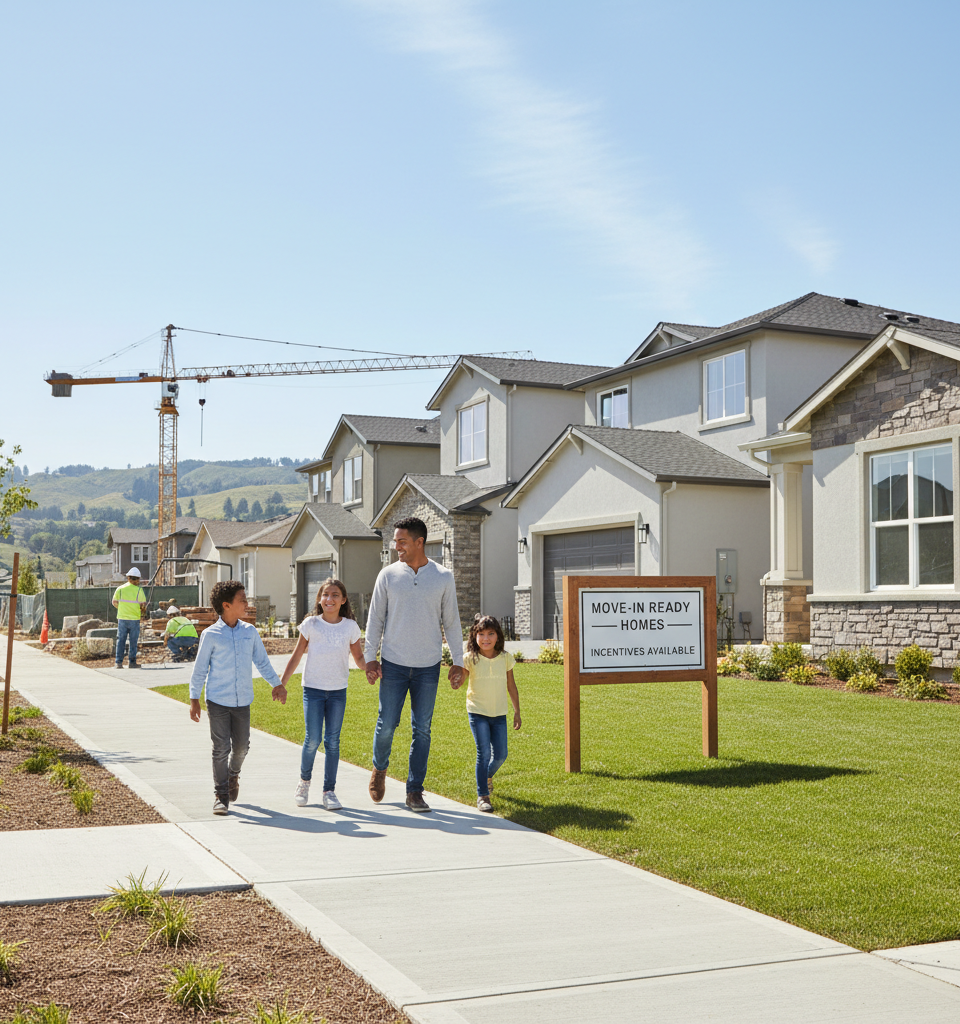
Amidst persistent inflation and a fluctuating interest rate environment, residential homebuilders are increasingly leveraging sophisticated financial incentives, prominently featuring mortgage rate buydowns, to stimulate sales and enhance affordability for new construction properties. This strategic shift addresses a critical market need, enabling buyers to navigate higher financing costs and realize homeownership dreams that might otherwise remain out of reach. The practice, gaining widespread traction across key housing markets, underscores a proactive industry response to evolving economic conditions.
Context and Background
The housing market has experienced significant volatility over the past few years. Following a surge in demand and prices during the pandemic, driven by historically low interest rates, the landscape shifted dramatically as the Federal Reserve initiated a series of aggressive rate hikes to combat inflation. Mortgage rates subsequently soared from sub-3% levels to above 7% for a 30-year fixed loan, significantly eroding purchasing power and leading to a cooling effect on home sales. Existing home inventory remains constrained, pushing buyers towards new builds, where builders possess greater flexibility to offer concessions. These builder incentives are not entirely new; they have historically been employed during slower market periods, but their current prominence and sophistication reflect the severity of the affordability challenge.
Key Details and Mechanisms
The most impactful incentive currently offered is the mortgage rate buydown. This typically involves the builder paying a lump sum to the lender to reduce a buyer's interest rate for a set period, or even for the life of the loan. Common structures include 3-2-1 buydowns (dropping the rate by 3% in year one, 2% in year two, and 1% in year three) or 2-1 buydowns (2% and 1% drops).
5% in the first year, significantly lowering initial monthly payments., $10,000 for upgrades like flooring or countertops), free upgrades like smart home technology packages, and even assistance with down payments. 7% of the sales price** in late 2023, up from around 2% in earlier, hotter markets.
Some builders in competitive areas are offering incentives package valued at over $20,000 to $30,000, particularly on spec homes ready for immediate occupancy.
Industry and Market Impact
These aggressive incentives are playing a crucial role in maintaining sales velocity in the new construction sector, even as existing home sales falter. They effectively create a two-tiered housing market: one where buyers of existing homes face unmitigated interest rate pressures, and another where new home buyers benefit from substantial subsidies. This dynamic has allowed new home sales to significantly outpace existing home sales in recent months.
The National Association of Home Builders (NAHB) recently reported an unexpected rise in builder confidence, partly attributed to the success of these incentive programs. While these strategies reduce builder profit margins, they are deemed necessary to clear inventory and sustain business operations in a challenging macroeconomic environment. The long-term impact could lead to a greater market share for new construction, reshaping buyer expectations for future housing purchases.
Expert Perspective
Industry analysts emphasize the strategic importance of these programs. "Builder incentives, particularly buydowns, are not merely discounts; they are sophisticated financial engineering designed to address the primary pain point for today's buyers: the monthly payment," states Dr. Sarah Chen, a lead economist at Housing Market Research Group.
" She adds that while the upfront cost to builders is substantial, it allows them to maintain higher list prices, preserving perceived home value, rather than resorting to outright price cuts which can devalue their entire inventory.
What's Next
The prevalence of builder incentives, particularly mortgage rate buydowns, is expected to continue throughout the remainder of the year and into early 2025, especially if interest rates remain elevated or decline only gradually. As the spring buying season approaches, builders are likely to refine these offerings, perhaps focusing on longer-term buydowns or more personalized incentive packages. Homebuyers entering the market in the coming months should thoroughly investigate these options, engaging directly with builders and their preferred lenders to understand the full scope of available savings. The long-term trend suggests that these incentives may become a more permanent fixture in the new construction sales process, redefining the value proposition for homebuyers and influencing future market dynamics, even as interest rates eventually stabilize.