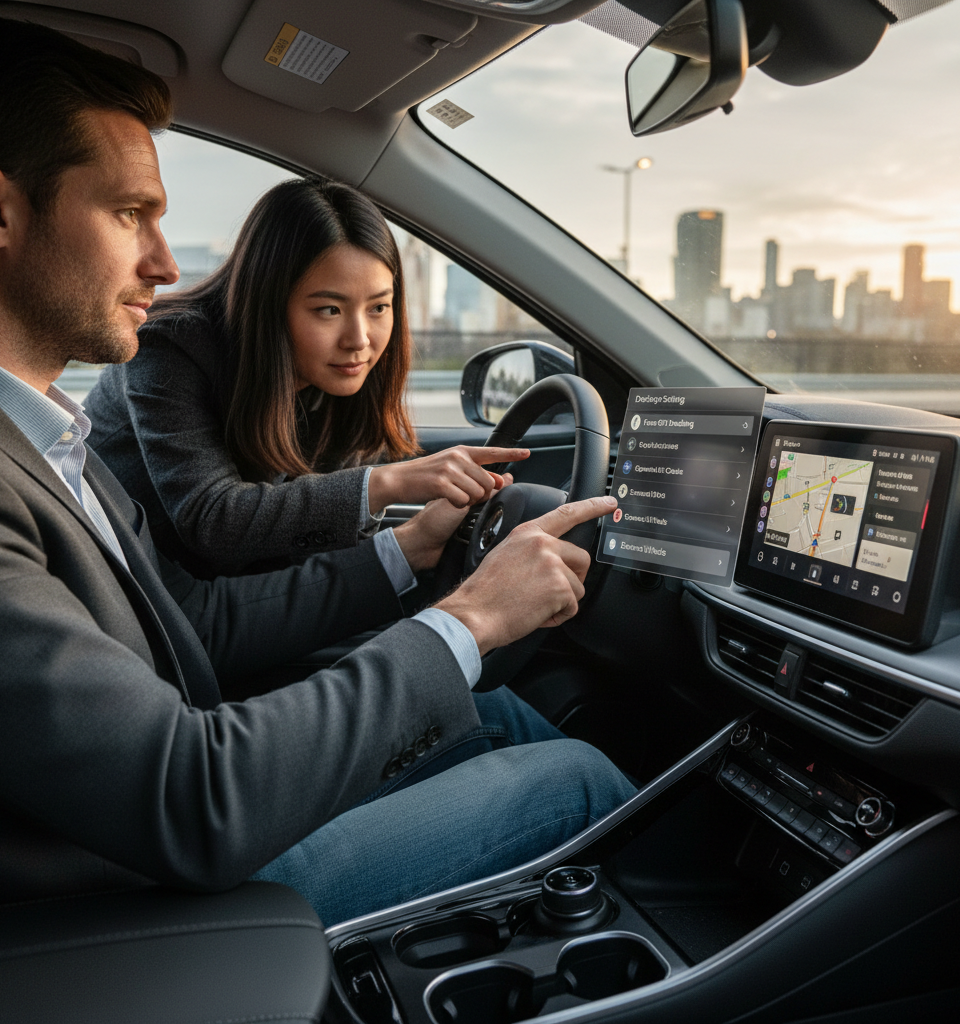
Android Auto users can now unlock a suite of powerful, albeit hidden, customization options by accessing its developer settings, fundamentally transforming their in-car infotainment experience. These settings, which include crucial display and operational adjustments, are not enabled by default but can be activated in less than a minute, promising a more efficient and personalized interaction with the vehicle's dashboard. This accessibility empowers drivers to optimize their digital cockpit without needing advanced technical expertise, offering a new level of control over navigation, media, and communication interfaces.
The Significance of Hidden Customization
The ability to fine-tune Android Auto's functionality resonates deeply within the automotive tech landscape, a sector increasingly defined by software and user experience. Historically, in-car infotainment systems have been rigid, often leaving users with pre-defined interfaces that may not align with individual preferences or driving needs. Google's integration of developer options, even if initially obscured, marks a significant step towards user empowerment, mirroring trends seen in mobile operating systems.
This move is particularly relevant as consumers demand more seamless and integrated digital experiences from their vehicles, shifting focus away from mere hardware capabilities to sophisticated, adaptable software platforms. The evolution of Android Auto from a simple mirroring tool to a highly configurable operating environment underscores the industry's commitment to user-centric design.
Key Unlocked Features and Their Impact
Among the most impactful hidden settings are those that allow for greater control over display resolution and DPI (dots per inch), enabling sharper graphics and more information density on larger screens. Users can also force specific aspect ratios, mitigating issues where apps might not scale correctly on non-standard vehicle displays. Another significant feature includes the ability to toggle video playback during driving (though safety considerations are paramount, and this feature should be used responsibly and legally), and advanced debugging tools for troubleshooting connectivity issues.
These adjustments can dramatically improve readability, reduce driver distraction by presenting essential information more effectively, and enhance the overall aesthetic appeal of the interface. For instance, adjusting the DPI can mean the difference between seeing two list items and four on a single screen, a subtle yet profound improvement in usability.
Broader Market and Industry Implications
The increased customizability of Android Auto has significant implications for both original equipment manufacturers (OEMs) and third-party app developers. For OEMs, offering a highly adaptable platform like Android Auto can be a key differentiator in a competitive market, catering to a wider range of driver preferences and vehicle types. It may also reduce the burden on manufacturers to develop entirely proprietary and often less flexible infotainment systems. For app developers, these settings present an opportunity to ensure their applications perform optimally across a more diverse array of in-car displays and user configurations, potentially fostering greater innovation within the automotive app ecosystem. The global market for in-car infotainment systems is projected to exceed $30 billion by 2027, with software features like these playing a crucial role in market share.
Expert Perspectives on User Empowerment
Industry analysts widely commend Google for providing deeper customization options, even if tucked away. Dr. Elena Petrov, an automotive technology expert at TechInsights, remarked, "Google is acknowledging that a one-size-fits-all approach no longer works for in-car tech. By offering these developer-level controls, they are empowering the user, which is a critical driver for adoption and satisfaction in today's digital automotive landscape." She added, "While discoverability remains a challenge, the mere existence of these robust settings signals a maturing platform that understands the diverse needs of its user base." This sentiment is echoed by many who see user control as paramount for long-term engagement with sophisticated vehicle platforms.
The Road Ahead: Future Developments
Looking forward, the trend suggests that hidden developer options in platforms like Android Auto may eventually migrate to more prominent, user-friendly settings menus as they prove their value and stability. Google could also introduce AI-driven personalization, where the system automatically suggests optimal display configurations based on user habits and vehicle characteristics. Further integration with advanced driver-assistance systems (ADAS) and vehicle data streams is also anticipated, allowing for an even more contextual and responsive in-car experience. As vehicles become increasingly integrated with our digital lives, the evolution of platforms like Android Auto will continue to prioritize flexibility, safety, and a highly personalized user journey, setting new benchmarks for intelligent mobility solutions worldwide.