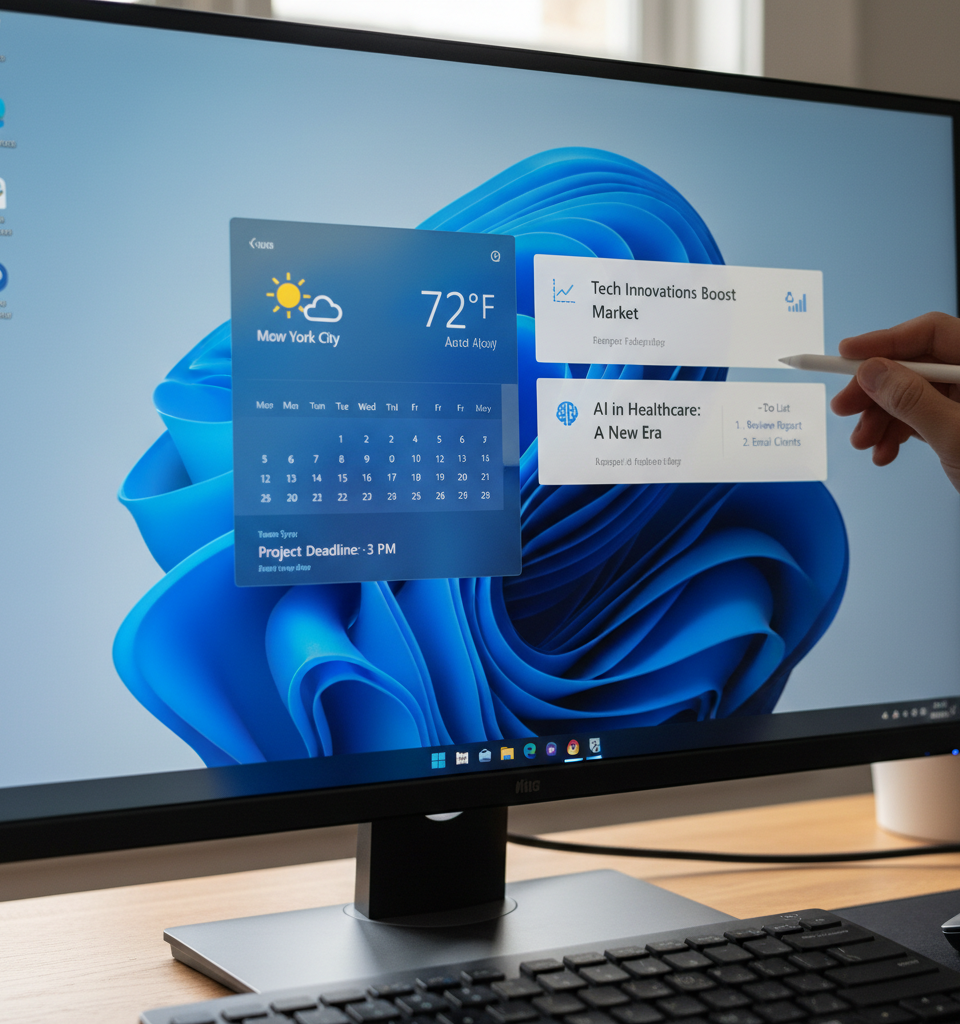
In an increasingly personalized digital landscape, Microsoft's Windows 11 Widgets panel, initially perceived by some as intrusive bloatware, is beginning to demonstrate its latent utility. A detailed exploration into its customization options has revealed eight key adjustments that can effectively transform this often-ignored feature into a highly functional and tailored data stream, moving it from the periphery of user experience to a central, productivity-enhancing tool. This shift underscores a broader industry trend towards customizable, at-a-glance information delivery.
The Evolution of Desktop Information Delivery
The concept of desktop widgets isn't new, with precursors dating back to early operating systems. However, Windows 11's implementation faced initial skepticism, largely due to its default, often overwhelming, news feed and less-than-intuitive customization. Users frequently found themselves either ignoring the feature entirely or, at worst, disabling it due to perceived clutter and irrelevance. This missed opportunity for a dynamic, personalized information dashboard reflects a challenge many tech companies face: balancing broad appeal with individual user needs. The push for personalization, driven by user demand for relevant and succinct information, is now guiding the evolution of such features.
Eight Steps to Widget Optimization
The comprehensive guide outlines eight specific steps to reclaim the utility of Windows 11 Widgets. These include disabling irrelevant news feeds by unfollowing categories and specific publishers that don't align with user interests, thereby reducing cognitive load. Users are encouraged to pin essential cards like weather, calendar appointments, and stock tickers directly to the board, ensuring critical information is immediately accessible.
Furthermore, resizing and rearranging widgets allows for an aesthetically pleasing and functionally optimized layout. A crucial, yet often overlooked, step involves logging into a Microsoft account to enable personalized content delivery, leveraging machine learning to surface more relevant articles., to-do lists, sports scores), and leveraging Microsoft Edge integration for seamless content discovery.
Finally, the guide emphasizes the importance of regular review and refinement of widget selections as user needs evolve. Each adjustment contributes to a more streamlined and productive digital environment, shifting the narrative from an irritating feature to an indispensable one.
Industry Repercussions and User Engagement
This re-evaluation of Windows 11 Widgets resonates across the tech industry, particularly for companies developing operating systems and productivity software. Microsoft's efforts to enhance widget functionality could set a precedent for how integrated information panels are designed and marketed. Increased user engagement with widgets translates into more time spent within the Windows ecosystem, potentially driving usage of other Microsoft services like Edge, MSN, and even Game Pass content if relevant widgets are integrated. For competitors, it highlights the continuous need to innovate desktop interfaces to remain competitive in a fiercely contested market where user experience is paramount. The focus on personalization also reflects a broader trend seen in mobile operating systems, where customizable home screens have long been a staple.
Expert Commentary on User Interface Evolution
Technology analysts commend Microsoft's iterative approach to improving seemingly minor features. "The initial rollout of Windows 11 Widgets was met with a lukewarm reception, primarily due to a lack of out-of-the-box personalization," notes Sarah Chen, a senior analyst at Tech Insights Group. "However, empowering users with granular control over their information streams is a smart move. It transforms a potential distraction into a powerful productivity enhancer. This 'opt-in' personalization model is critical for retaining users in an era saturated with information." She adds that the success of these tweaks will ultimately be measured by the adoption rate of these customization options and whether they lead to a measurable increase in overall user satisfaction with Windows 11.
The Future of Dynamic Desktops
Looking ahead, the trajectory for Windows 11 Widgets suggests a continued emphasis on deeper integration and artificial intelligence-driven personalization. Future iterations could see widgets offering predictive information, such as traffic alerts for upcoming appointments or news summaries based on active work projects. Furthermore, a likely development is the expansion of the widget ecosystem to include third-party developers, allowing for an even broader range of specialized tools and deeper integration with external software and services.
This would position the Widgets panel not just as a news aggregator, but as a central, intelligent command center for the entire desktop experience, further cementing its role as a valuable and indispensable facet of the Windows 11 operating system. The push for a truly dynamic and responsive desktop environment remains a key objective for Microsoft.