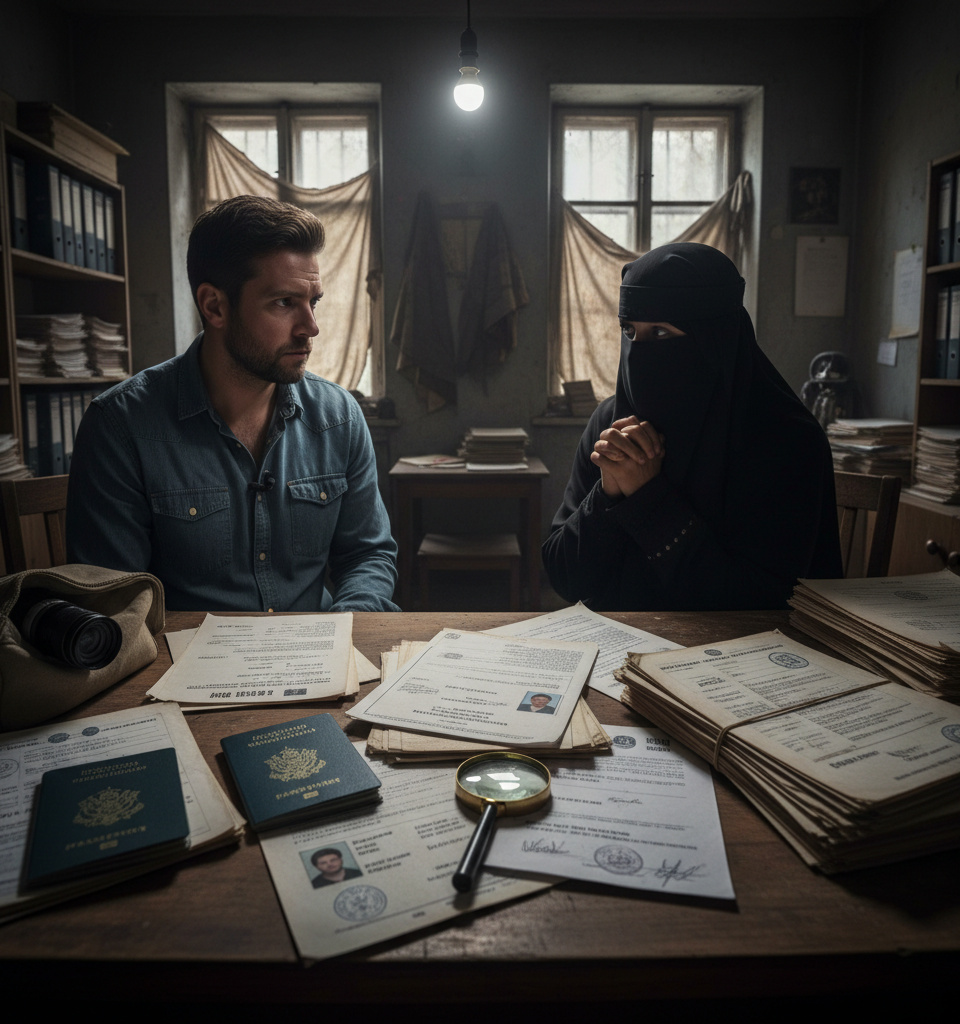
London, UK – A groundbreaking undercover investigation by the BBC has meticulously uncovered a pervasive and elaborate illicit industry engaged in orchestrating fraudulent asylum claims across the United Kingdom and potentially internationally. The investigation, the second installment in a series, reveals a disturbing pattern of deception, including the creation of fictitious websites, staging of protests, and the coaching of individuals to feign religious persecution, all designed to bolster fabricated asylum applications. This sophisticated network not only exploits vulnerabilities in immigration systems but also casts a shadow of doubt over the legitimate plight of genuine asylum seekers.
The Gravity of Deception: Undermining Global Safeguards
This exposé carries profound implications for global immigration policy and the integrity of humanitarian protection. The practice of fabricating asylum narratives, particularly those centered on religious or political persecution, directly undermines the foundational principles of the 1951 Refugee Convention. Such schemes divert critical resources, prolong processing times for authentic cases, and erode public trust in asylum systems. Historically, instances of asylum fraud have occasionally surfaced, but the BBC's investigation highlights a level of organization and industrialization previously underappreciated, indicating a systemic challenge rather than isolated incidents.
Anatomy of a Fraud: Bogus Websites and Coached Narratives
The BBC's undercover reporting detailed several alarming tactics. Investigators documented instances where individuals seeking to make false claims were provided with fabricated online evidence, including professionally designed, yet entirely bogus, websites purporting to be news outlets or human rights organizations reporting on their alleged persecution. Furthermore, the investigation revealed trainers coaching asylum seekers on how to convincingly perform roles, simulating trauma, and even participating in staged protests designed to generate photographic evidence of their supposed activism. Pretending to be atheists from strictly religious countries was a recurring theme, exploited for its perceived credibility in the asylum process. Sources within the investigation confirmed fees ranging from £1,000 to £10,000 for these fraudulent services, varying based on the complexity of the fabricated evidence and the scope of the deception.
Broader Market Impact: Exploitation and System Strain
The existence of this shadow industry has far-reaching consequences beyond individual cases. It fuels a lucrative black market, preying on desperate individuals while simultaneously straining the already overburdened resources of national asylum agencies. The increased volume of fraudulent applications consumes significant portions of judicial and administrative time, leading to backlogs that delay resolution for genuine refugees. This also contributes to political pressure for more restrictive immigration policies, inadvertently harming those truly in need of sanctuary. The overall integrity of the asylum system is compromised, making it harder to distinguish between authentic and manufactured suffering.
Expert Insights: A Call for Robust Vetting
Immigration experts and human rights advocates have reacted with grave concern. Dr. Eleanor Vance, a leading researcher in migration studies at the University of Cambridge, stated, "This investigation underscores an urgent need for more sophisticated and robust vetting mechanisms within asylum processes. While we must uphold the principle of providing sanctuary, we cannot allow our systems to be exploited by those who commercialize desperation." She added, "The primary victims, beyond the systems themselves, are the genuine refugees whose claims become further scrutinized and potentially delayed due to these fraudulent activities." Analysts suggest these networks often operate internationally, leveraging global communication tools to connect clients with facilitators and forged evidence.
The Path Forward: Increased Vigilance and International Cooperation
The findings are expected to prompt immediate responses from immigration authorities and law enforcement agencies. Initial reactions suggest an increase in intelligence gathering and a tightening of scrutiny on digital evidence submitted in asylum claims. There is a strong call for enhanced international cooperation to dismantle these cross-border criminal enterprises, sharing intelligence and best practices in identifying forged documents and fabricated narratives. Legislative frameworks may also be reviewed to introduce harsher penalties for those perpetrating and facilitating such fraud. The focus will be on striking a delicate balance: robustly combating fraud without inadvertently creating higher barriers for legitimate asylum seekers fleeing persecution.