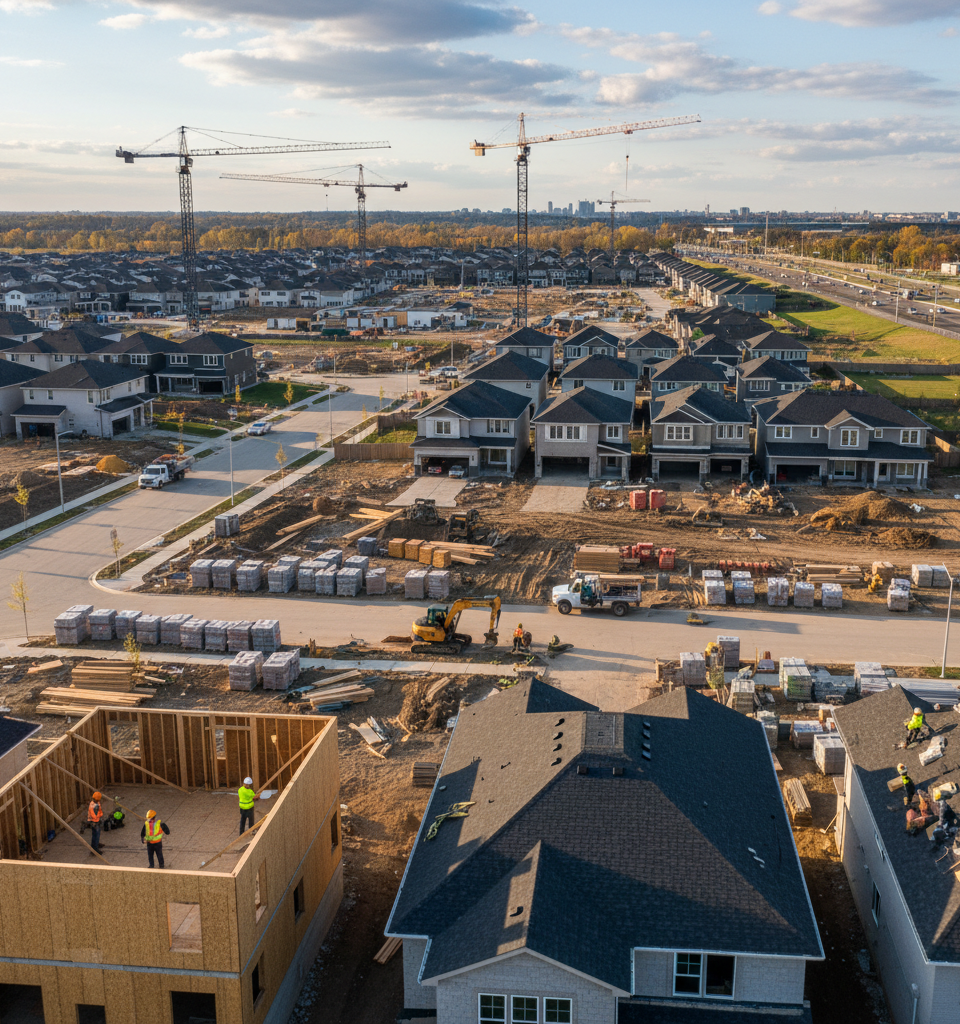
Leading homebuilders are strategically concentrating their capital in eleven high-growth markets across the U.S., signaling a clear shift in investment patterns driven by robust economic fundamentals and housing demand. This calculated deployment of hundreds of millions of dollars offers a direct insight into the areas poised for significant residential expansion in the coming years, bypassing speculative market predictions in favor of tangible financial commitments.
The Investment Imperative
Historically, identifying future investment hotspots often involved complex economic modeling and a degree of speculation. However, the current landscape offers a more direct indicator: following where builders are actively breaking ground. These investment decisions are not made lightly; they involve extensive due diligence on demographics, job growth, affordability, and regulatory environments. The significant capital outlay involved underscores a high degree of confidence in these selected regions over the long term, contrasting with the more volatile investment strategies seen in earlier housing cycles.
Key Investment Hubs Emerge
The identified markets represent a diverse cross-section of the American economy. While specific metropolitan areas were not named in the initial brief, the pattern suggests a focus on the Sun Belt and emerging secondary cities that offer a compelling blend of job opportunities and a relatively lower cost of living compared to traditional coastal hubs. These regions are experiencing sustained population influx and a significant demand for new housing stock, from single-family homes to multi-unit developments. The scale of investment, often running into the hundreds of millions per market, reflects a sustained commitment rather than short-term opportunism.
Broadening Market Impact
This concentrated investment by major builders has significant ripple effects across the broader construction and housing sectors. It drives demand for building materials, construction labor, and related service industries, stimulating local economies. Furthermore, the increased housing supply in these areas could help alleviate affordability pressures, though the extent of this impact depends on the pace of construction relative to continued demand growth. The trend also highlights a potential shift in the national economic power balance, with capital flowing away from historically dominant but increasingly expensive urban centers.
Expert Insights on Sustainable Growth
Analysts are largely optimistic about the builders' strategic focus. "This isn't just about chasing hot markets; it's about disciplined allocation based on long-term demographic and economic trends," explained Dr. Emily Carter, a senior economist specializing in real estate. "Builders are targeting areas with strong underlying fundamentals – sustained job creation, in-migration, and a receptive regulatory environment. This suggests a more sustainable growth trajectory compared to the boom-and-bust cycles of the past." She also noted the importance of infrastructure development in these burgeoning areas to support the new housing.
Future Trajectories and Challenges
Looking ahead, the success of these chosen markets will hinge on several factors, including continued job growth, responsible urban planning, and the capacity of local infrastructure to support increased populations. Potential challenges include rising interest rates impacting buyer affordability and construction costs, and the risk of oversupply if development outpaces actual demand. However, the current investment rationale suggests builders are mitigating these risks through careful market selection. Upcoming quarterly earnings reports from major homebuilders are expected to further detail these investment strategies and provide more concrete data on groundbreakings and sales in these key regions, offering a clearer picture of their growth trajectory through the remainder of the year and into the next.
The strategic concentration of builder capital underscores a pivotal moment in U.S. residential development, guided by pragmatic economics rather than speculative venture. The outcomes in these eleven markets will undoubtedly shape the national housing landscape for years to come.