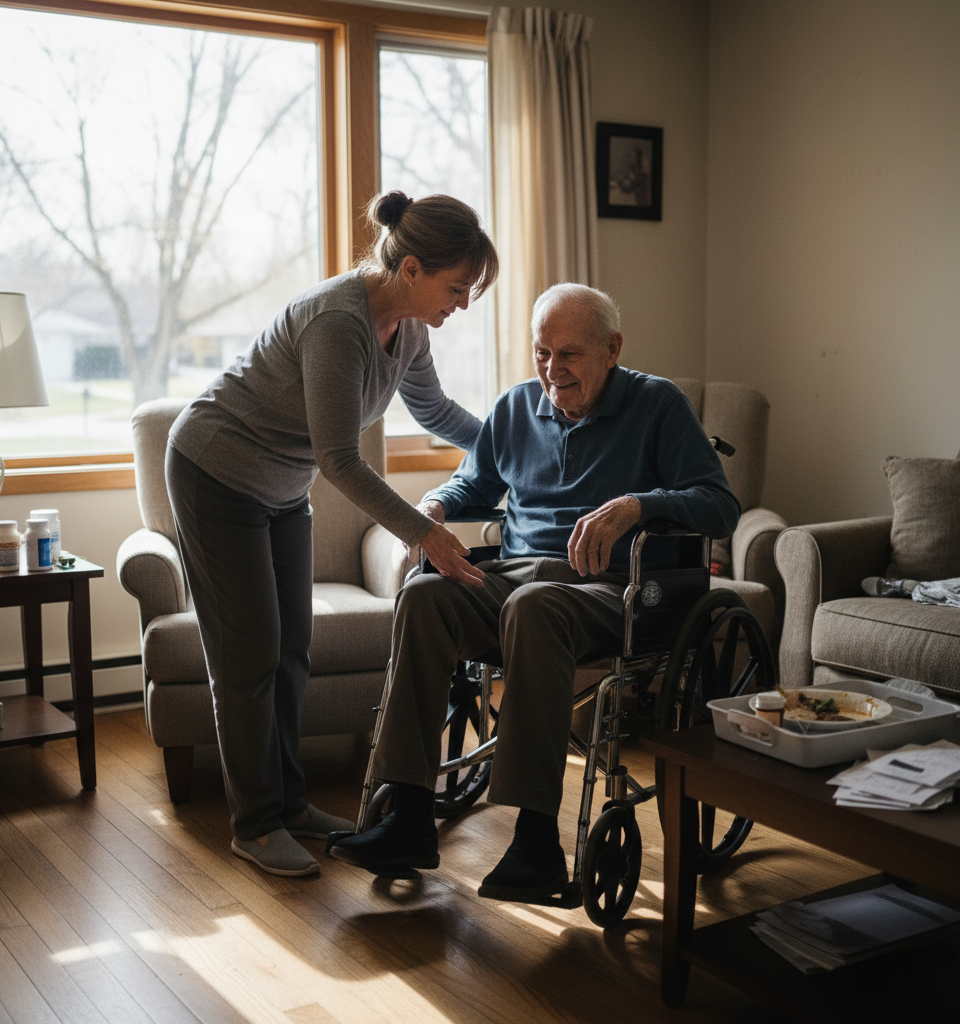
WASHINGTON D.C. — The unsung labor of millions of Americans has reached an astounding new financial milestone, with the value of unpaid family caregiving now exceeding an estimated $1 trillion annually. This colossal contribution, borne by approximately 59 million adult caregivers across the nation, represents an indispensable bedrock of support for individuals requiring assistance. The revelation amplifies concerns over the increasing strain on families, the inadequacies of formal care systems, and the broader economic ramifications of a rapidly aging population.
The Rising Tide of Informal Care
The burgeoning valuation of unpaid caregiving reflects a deepening societal trend. For decades, families have been the primary providers for ill, elderly, or disabled relatives, a role that has only intensified amidst escalating professional care costs and limited public funding. Historically, the economic quantification of this care has been challenging, often leading to its undervaluation in policy discussions. This latest estimate, however, brings into sharp focus the immense financial and personal sacrifices made by caregivers, who frequently juggle their caregiving responsibilities with employment, personal well-being, and other family obligations.
Staggering Figures and Personal Costs
The 59 million Americans providing this vital care dedicate countless hours without monetary compensation. While specific breakdowns vary, studies often indicate that caregivers spend an average of 20-30 hours per week on caregiving tasks, equivalent to a part-time job. For many, this includes managing medications, assisting with daily living activities, navigating complex healthcare systems, and providing emotional support. The hidden costs extend beyond lost wages for caregivers who reduce their work hours or leave the workforce entirely, impacting their social security benefits, retirement savings, and overall financial stability. The physical and emotional toll, often leading to caregiver burnout, further exacerbates this silent crisis.
Broadening Economic and Social Impacts
The economic ripple effects of this trillion-dollar contribution are far-reaching. Without this informal care, the national healthcare infrastructure would likely crumble under the weight of demand, leading to an even greater strain on hospitals, nursing homes, and public resources. The financial burden shifted onto families effectively subsidizes a significant portion of the nation's long-term care needs. Businesses also feel the impact through reduced productivity, increased absenteeism, and talent attrition among employees balancing work with caregiving duties. Furthermore, the lack of robust, affordable long-term care options perpetuates a cycle where family members, often women, are compelled to step into these roles, hindering gender equity in the workforce.
Expert Perspectives on a Pressing Issue
Economists and social policy experts are increasingly recognizing the critical importance of unpaid caregiving. Dr. Eleanor Vance, a leading researcher in caregiver economics at the National Policy Institute, states, “This $1 trillion figure isn't just a number; it represents a massive transfer of liability from the state and formal healthcare systems onto individual families. Ignoring this economic backbone is no longer tenable. We need comprehensive policies that acknowledge, support, and financially assist family caregivers, not just for their well-being, but for the stability of our entire care ecosystem.” Experts advocate for a blend of direct financial assistance, tax credits, paid family leave, and expanded respite care services.
The Path Forward: Policy and Support
The escalating value of unpaid caregiving necessitates a serious national dialogue and policy intervention. Future developments are expected to focus on recognizing the economic contributions of caregivers, exploring models for caregiver compensation, and implementing programs that offer practical and emotional support. Legislative efforts, both at the state and federal levels, are anticipated to propose stronger protections for working caregivers, expand access to affordable home and community-based care, and invest in a sustainable care infrastructure. The goal is to shift from a system that relies almost entirely on informal, uncompensated labor to one that formally acknowledges and supports its most vital caregivers, ensuring both their well-being and the long-term sustainability of care for all Americans.
Future Implications for an Aging Nation
As the U.S. population continues to age, with the number of individuals over 65 projected to nearly double by 2060, the demand for caregiving is only expected to intensify. This makes the trillion-dollar figure not just a current snapshot but a precursor to even greater challenges. Policymakers, healthcare providers, and employers must collaborate to develop innovative solutions that mitigate the burden on informal caregivers while ensuring high-quality, accessible care for all those in need. The future economic and social health of the nation hinges significantly on how effectively this invaluable, trillion-dollar contribution of unpaid family caregiving is addressed and supported.