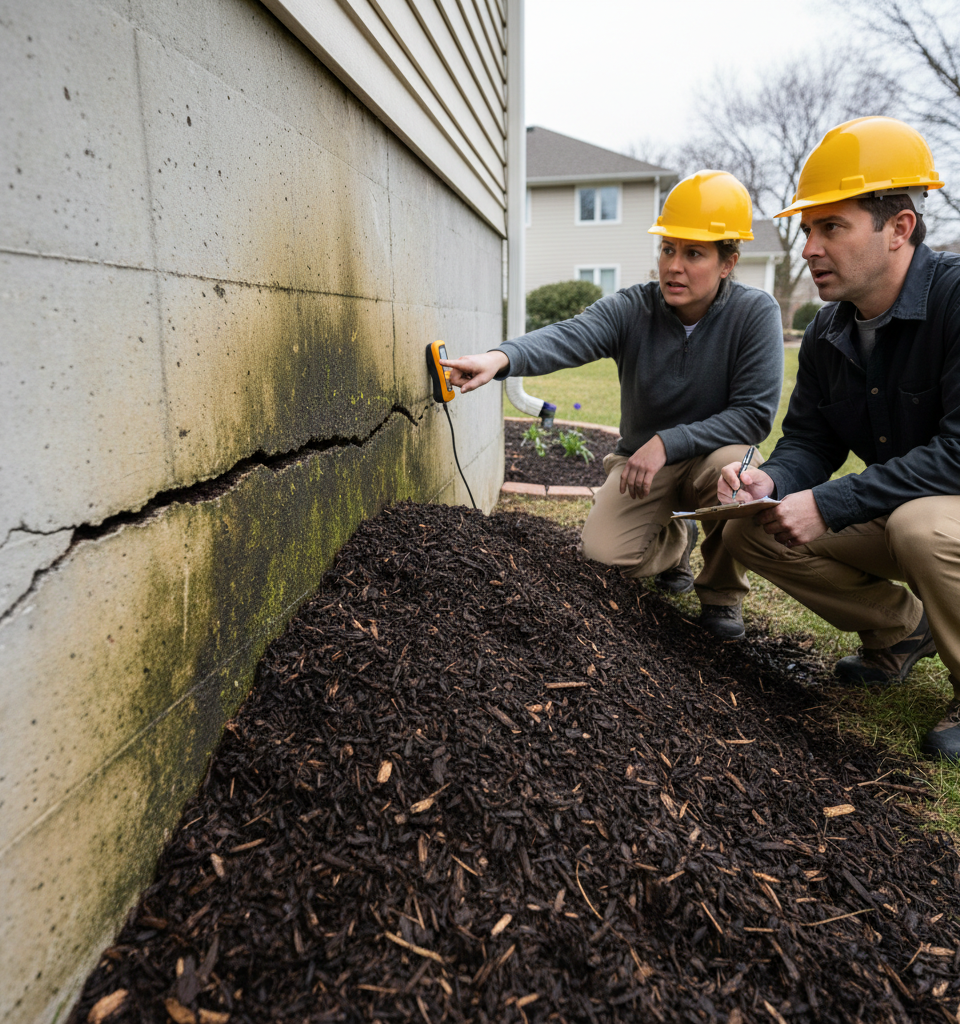
Homeowners sprucing up their properties this season are being cautioned about the critical importance of selecting appropriate mulching materials, as an improper choice can lead to significant and often unseen damage to residential foundations. This seemingly minor landscaping decision, often considered a finishing touch, carries substantial risks including moisture retention issues, pest infestations, and direct structural compromise that can culminate in expensive remedial work.
The widespread practice of mulching, while beneficial for soil health and aesthetics, has a dark side when applied without consideration for a home’s structural vulnerabilities. The issue arises when certain types of mulch retain excessive moisture against the foundation or create an inviting habitat for pests like termites and carpenter ants. This problem is particularly pertinent in regions experiencing high humidity or frequent rainfall, where perpetual dampness can erode concrete, rust rebar, and foster mold growth within wall cavities, contributing to a homeowner insurance nightmare.
Key details reveal that organic mulches, such as wood chips or shredded bark, are the primary culprits when improperly used. While excellent for gardens, these materials can act as sponges, holding moisture against concrete foundations for extended periods. This continuous dampness is detrimental, leading to spalling, cracking, and efflorescence.
Furthermore, the decomposition process of organic mulches provides a food source and ideal breeding ground for destructive insects., much of which goes unreimbursed by standard homeowners' insurance policies. Experts recommend maintaining a buffer zone of at least six inches between mulch and the foundation, and opting for inorganic alternatives like gravel, river rock, or rubber mulch immediately adjacent to the house.
The broader landscaping and home maintenance industries are increasingly grappling with this sleeper issue. While landscapers are often trained in aesthetic application and plant health, the nuanced impact of their material choices on home foundations is not always a primary consideration. This oversight contributes to a multi-million-dollar repair industry for foundation damage, a segment that could see reduced demand if preventive measures were more widely adopted. Property insurance carriers are also taking note, with some beginning to include specific clauses or recommendations regarding landscaping proximity to foundations, reflecting the financial burden of preventable damages.
Experts such as Dr. Eleanor Vance, a structural engineer specializing in residential properties, emphasize the need for homeowner education. "Many homeowners are unaware that their beautiful landscaping can be undermining their home's stability," Dr. Vance states. "The cumulative effect of prolonged moisture contact or undetected pest activity year after year can lead to significant structural issues that manifest as shifting foundations, cracked walls, and misaligned doors and windows." She advises annual inspection of foundation perimeters and encourages the use of certified professionals for both landscaping and pest control to ensure materials are applied safely.
Looking ahead, there is a growing push for industry standards and consumer awareness campaigns. Horticultural associations, pest control bodies, and structural engineering firms are exploring synergistic approaches to educate the public. Manufacturers of landscaping materials may also begin to see a rise in demand for inorganic or pest-resistant mulching options, potentially leading to innovation in product development within this niche. The long-term implication is a shift towards more resilient and foundation-friendly landscaping practices, ultimately protecting property values and saving homeowners from unforeseen repair expenses.