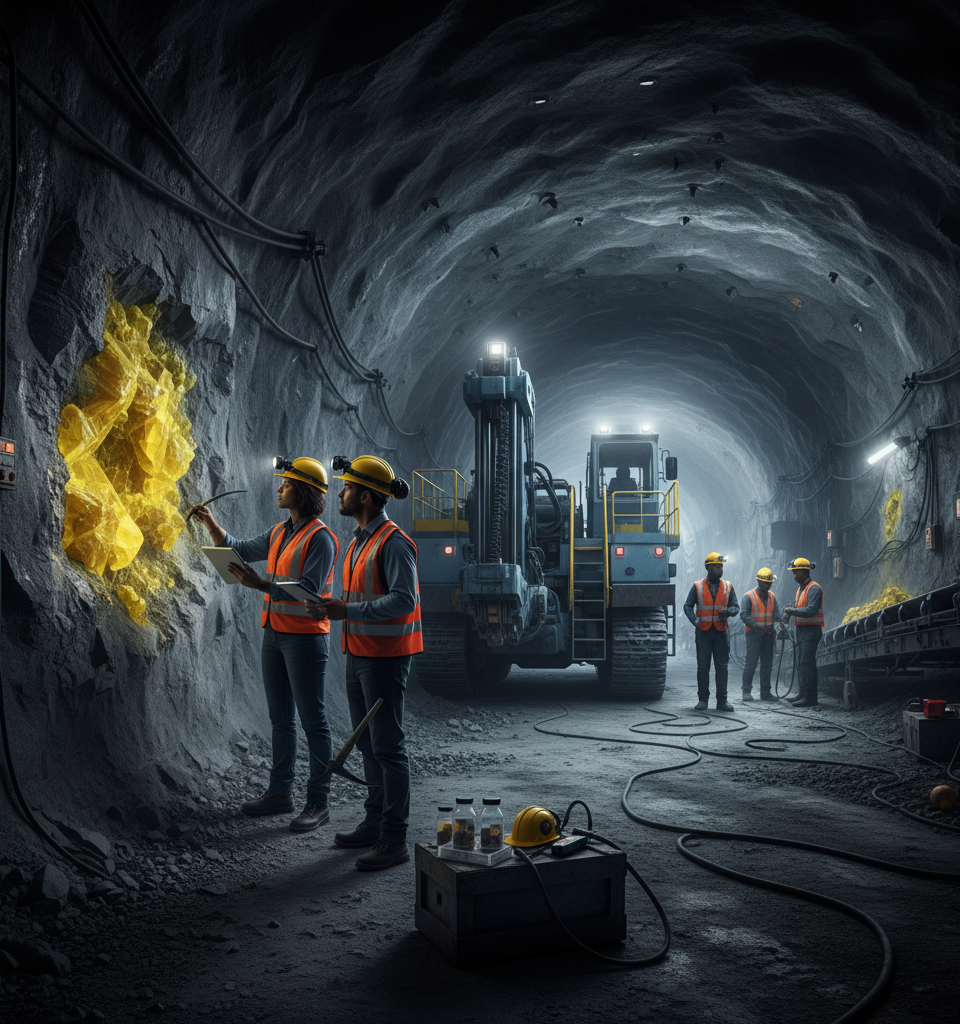
Uranium's Rise: A New Era for Nuclear Fuel
Uranium, the dense, silvery-white metallic element synonymous with nuclear power, is experiencing a remarkable resurgence as a strategic commodity on the global stage. This renewed prominence is rooted in a confluence of factors: escalating energy security anxieties, a pressing need for decarbonization to combat climate change, and significant geopolitical shifts that have disrupted traditional energy supply chains. Once viewed with skepticism in some quarters, nuclear energy's reliable, baseload power generation capabilities are now being re-evaluated, placing uranium, its primary fuel source, at the epicenter of national energy strategies worldwide.
Historical Context and Driving Forces
The trajectory of nuclear power, and by extension uranium, has been cyclical. Following the heady days of rapid expansion in the mid-20th century, propelled by the energy crises of the 1970s, the industry faced headwinds after incidents like Three Mile Island (1979) and Chernobyl (1986). The Fukushima Daiichi disaster in 2011 led to further retrenchment in several nations, most notably Germany. However, the current energy paradigm is starkly different. Europe's vulnerability to Russian gas supplies, coupled with an aggressive global push towards net-zero emissions, has forced a pragmatic re-evaluation. Nuclear power offers a solution to intermittent renewables like solar and wind, providing consistent, carbon-free electricity generation. This shift is not just about avoiding fossil fuels but also about achieving energy independence.
Key Details Propelling Demand and Price
The indicators of uranium's renewed strategic importance are evident in market performance and policy changes. The spot price of uranium has surged by over 40% in the last year, reaching levels not seen in over a decade, with some analysts predicting further gains. Major uranium producers, such as Kazakhstan's Kazatomprom and Canada's Cameco, are reporting increased contracting activity and long-term commitments. Crucially, governments are reversing long-standing anti-nuclear policies. Japan, once a staunch opponent post-Fukushima, is restarting idled reactors and even exploring next-generation designs. France has announced plans to build up to 14 new reactors, while the UK is investing billions in its nuclear energy program. The U.S. Inflation Reduction Act includes significant tax credits and incentives for nuclear power, demonstrating a bipartisan commitment.
Industry and Market Impact: A Global Ripple Effect
This re-emergence is profoundly impacting the global energy landscape. Utilities that had previously relied on short-term purchasing are now scrambling to secure long-term, fixed-price contracts for uranium, hedging against future price volatility and supply disruptions. The supply chain for uranium enrichment and fuel fabrication, once largely concentrated in a few nations, is undergoing diversification efforts. Furthermore, the development of Small Modular Reactors (SMRs) is poised to democratize nuclear power, making it more accessible and deployable in regions with smaller grids or limited infrastructure. This technological advancement promises to significantly broaden the demand base for uranium in the coming decades.
Expert Perspectives on Future Trajectories
Energy analysts and industry experts are largely bullish on uranium's long-term prospects. "The world has woken up to the fact that you can't get to net-zero without nuclear, and you can't run nuclear without uranium," states John Ciampaglia, CEO of Sprott Asset Management, a major uranium investor. "Geopolitical events have simply accelerated a trend that was already in motion." Analysts at Wood Mackenzie project global nuclear generating capacity to increase by 20% by 2040, translating into a commensurate rise in uranium demand. Concerns about potential supply bottlenecks, particularly given the historical underinvestment in new mining capacity during the downturn, are also being highlighted, suggesting a tight market for the foreseeable future.
What's Next: Expanding Capacity and Geopolitical Dynamics
The coming years will likely see significant investment in expanding existing uranium mining operations and developing new projects, particularly in politically stable jurisdictions. Countries like Australia, Canada, and the U.S. are keen to enhance their domestic supply chains. The geopolitical dimension will remain critical, with Western nations seeking to reduce reliance on Russian enrichment services. This pursuit of energy sovereignty will continue to underpin policy decisions and investment flows into the nuclear fuel cycle. Moreover, research and development into advanced reactor technologies, including molten salt reactors and breeder reactors, could further alter the long-term demand and supply dynamics for uranium, cementing its status as an indispensable strategic commodity for the 21st century.