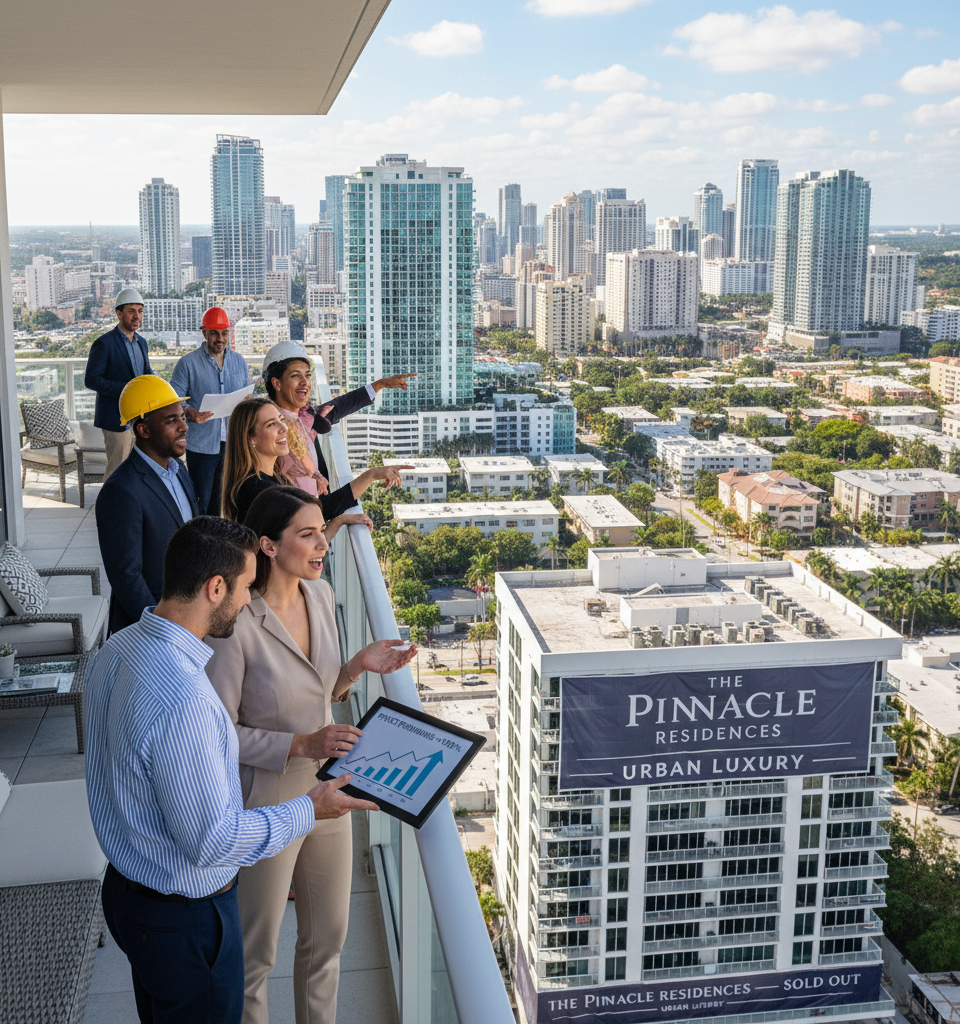
Newly constructed homes in urban areas are commanding substantial price premiums over their existing counterparts, with some markets experiencing markups of up to 300%. This striking disparity, highlighted by recent market data, indicates a deepening chasm between the cost of modern, amenity-rich urban living and more established housing options, posing significant implications for affordability and urban development across the United States.
The Anatomy of the Urban Premium
This trend is not merely a localized anomaly but a widespread characteristic of contemporary urban housing markets. In burgeoning urban cores, the scarcity of developable land, coupled with rising construction costs and high demand for modern aesthetics and energy efficiency, contributes significantly to these inflated prices. Buyers are increasingly willing to pay a premium for new builds that offer streamlined comfort, up-to-date technology, and often, proximity to revitalized downtown areas or burgeoning cultural districts. The premium reflects not just the physical structure, but also the perceived lifestyle benefits associated with new urban developments.
Florida's Extreme Example: Miami's Sky-High Costs
The phenomenon is particularly pronounced in Florida, with Miami standing out as a stark example. In certain coveted Miami neighborhoods, new urban homes are reportedly fetching prices up to 300% higher than comparable existing properties just blocks away. This staggering figure underscores the intense demand in the region, driven by factors such as population growth, inward migration, and a preference among affluent buyers for turn-key residences. While specific figures fluctuate, reports consistently indicate premiums in major Florida cities significantly exceeding national averages, often ranging from 150% to over 250% in key urban centers.
Impact on Affordability and Urban Planning
The escalating price differential has profound implications for urban planning and housing affordability. Low inventory of urban new builds, combined with high demand, exacerbates housing shortages and pushes homeownership further out of reach for middle-income residents. This dynamic risks creating increasingly stratified urban landscapes, where only the wealthiest can afford the newest housing options, potentially leading to social and economic segregation. Policy makers are grappling with how to encourage more diverse housing development without sacrificing existing community character or further impacting affordability.
Expert Perspectives on Market Drivers
Real estate economists attribute these premiums to several convergent factors. "Scarcity of prime urban land is undeniably the primary driver," explains Dr. Eleanor Vance, a senior housing market analyst. "When you combine that with increased material and labor costs, stringent building codes, and the desire for eco-friendly, 'smart home' features, the cost of a new build skyrockets. Furthermore, many buyers are seeking the convenience and lower maintenance of a new home, which holds significant value in today's fast-paced urban environment." Another factor is the aesthetic appeal; modern homes often feature open floor plans and contemporary designs that older homes lack, requiring costly renovations to achieve similar appeal.
The Road Ahead: Potential Solutions and Market Shifts
Looking ahead, market watchers expect these premiums to persist, especially in high-demand urban markets. However, there's growing discussion around potential interventions, such as incentivizing higher-density development, streamlining regulatory processes to reduce construction costs, and exploring innovative building techniques. Additionally, some analysts predict a potential shift towards renewed interest in existing, well-maintained urban homes as buyers seek more affordable entry points into desirable neighborhoods. The challenge for urban developers and city planners will be to balance the demand for new, premium housing with the equally pressing need for broad-based affordability and equitable access to urban living environments.
This trend underscores the complex interplay of market forces, consumer preferences, and policy decisions shaping the future of urban housing. As cities continue to grow and evolve, managing the price disparity between new and existing homes will remain a critical challenge for maintaining vibrant, inclusive communities.