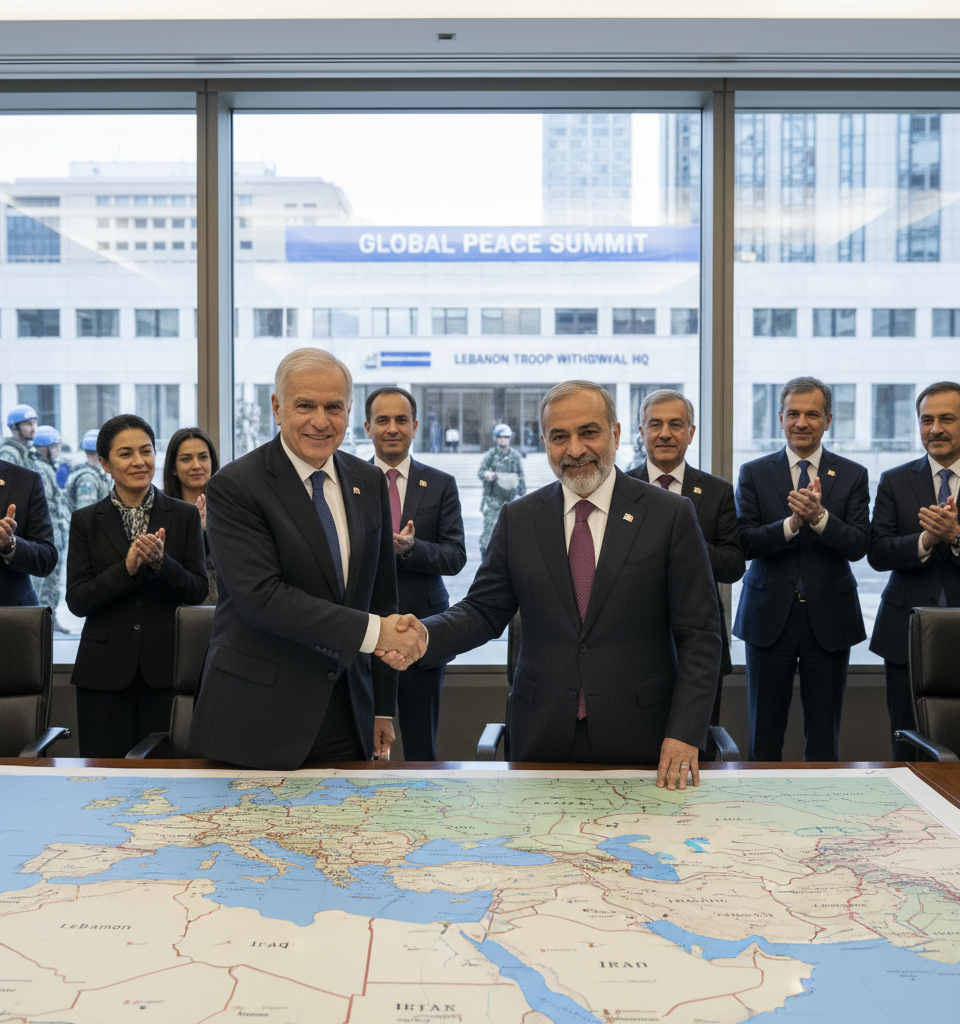
The United States and Iran have successfully outlined a roadmap for a comprehensive final deal and concurrently signaled intentions to conclude military operations within Lebanon. This crucial agreement emerged from the initial round of negotiations conducted under a memorandum of understanding (MoU) ratified just last week. The MoU had previously secured a 60-day extension of what has been described as a tenuous ceasefire, setting the stage for these more substantive discussions.
Context of Protracted Tensions
This development comes amidst decades of complex and often adversarial relations between Washington and Tehran, frequently exacerbated by regional conflicts. The cessation of military activities in Lebanon, a country long a proxy battleground for various international and regional powers, represents a potentially pivotal shift. Previous attempts at de-escalation have often faltered, making this roadmap a significant, albeit preliminary, step towards broader stability. The current ceasefire, which was already fragile, underscores the urgency and necessity of these ongoing diplomatic efforts to prevent a renewed escalation of hostilities.
Key Details of the Agreement
While specific details of the roadmap remain largely undisclosed, the agreement to pursue a "final deal" suggests a broad scope, potentially encompassing nuclear issues, regional security, and economic sanctions. The commitment to ending military operations in Lebanon is a concrete, albeit challenging, component of this broader framework. It is understood that these initial talks focused on establishing parameters and timelines, rather than resolving all substantive disputes immediately. The underlying MoU, which bought an additional two months of calm, provided the necessary breathing room for these intricate negotiations to commence without immediate pressure from active conflict.
Impact on Regional Dynamics
The implications of a successful final deal and, specifically, the withdrawal of military operations from Lebanon could profoundly reshape the geopolitical landscape of the Middle East. For Lebanon, it offers a glimmer of hope for greater sovereignty and an end to foreign interference, potentially unblocking pathways for economic recovery and political stabilization. For the broader region, it could reduce the potential for proxy conflicts and foster an environment conducive to de-escalation, benefitting neighboring states and international trade routes. Energy markets, in particular, could see reduced volatility if regional tensions abate.
Expert Perspectives
Analysts are cautiously optimistic, stressing that while a roadmap is a positive step, significant hurdles remain. "Agreeing on a roadmap is a testament to diplomatic perseverance, but the devil will be in the details of implementation," noted one international relations expert, who requested anonymity due to the sensitivity of ongoing talks. "The commitment to address Lebanon is particularly noteworthy, as it signifies a willingness to tackle tangible, on-the-ground issues rather than just abstract policy disagreements." Others highlight that the 60-day ceasefire extension is a critical, yet short-lived, window requiring rapid and substantive progress.
Next Steps and Challenges
The immediate next steps involve detailed negotiations to flesh out the points articulated in the roadmap. Future rounds of talks are expected to delve into the specifics of troop withdrawals, mechanisms for international oversight, and the verification of compliance. The challenge lies in harmonizing the diverse interests of both nations, along with those of regional allies and adversaries. Maintaining the extended ceasefire will be paramount as negotiations proceed, serving as a barometer for the commitment of both parties to a peaceful resolution. The coming weeks will be crucial in determining whether this nascent diplomatic breakthrough can translate into lasting peace and stability.