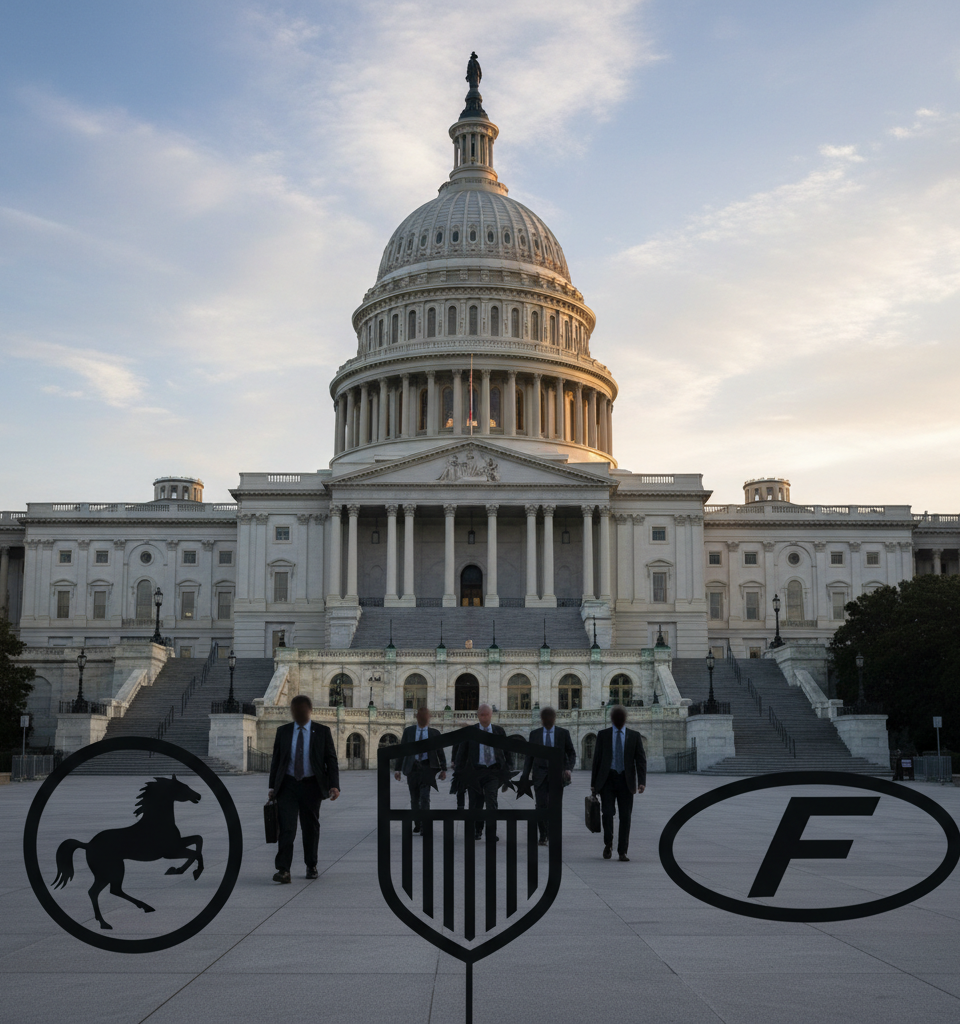
Global supply chains face substantial disruption as Washington debates expanding protectionist measures, potentially impacting international automotive partnerships and investment flows. Businesses should watch for ripple effects on technology standards and market access that could redefine future vehicle development and trade.
Major American automotive manufacturers are intensifying their lobbying efforts in Washington, D.C., calling on Congress to implement a permanent ban on Chinese connected vehicles. This proposed legislation would prohibit the import, sale, and domestic manufacturing of such vehicles within the United States. The demand extends to all embedded hardware and software components originating from China, marking a significant escalation in the ongoing geopolitical and economic tensions surrounding advanced technology.
Context and Background
The push by U.S. automakers comes amid growing concerns in Washington regarding national security and economic competitiveness. For several years, lawmakers and intelligence officials have expressed unease over the potential for foreign governments, particularly China, to access sensitive data collected by connected vehicles or to remotely control vehicle systems. This initiative represents a hardening stance from the automotive industry, aligning with broader governmental efforts to decouple critical supply chains from China and secure domestic industries.
Previous discussions have largely focused on tariffs or more limited restrictions. However, the current demand for a permanent and comprehensive ban signals a desire for definitive policy action to safeguard American automotive technology and consumer data. The industry argues that such measures are essential to prevent potential espionage, cyberattacks, and unfair competition from state-backed enterprises.
Key Details of the Proposal
The proposed ban is comprehensive, targeting all aspects of Chinese connected vehicles. This includes fully assembled vehicles imported from China, as well as components—both hardware and software—that could be integrated into vehicles manufactured in the U.S. The term "connected vehicles" refers to cars equipped with internet connectivity, enabling features like navigation, remote diagnostics, over-the-air updates, and autonomous driving capabilities. These systems generate vast amounts of data, from location and driving habits to personal communications, making them a point of concern for data security.
Automakers are explicitly advocating for legislation that would apply across the board, leaving no loopholes for Chinese-made vehicles or their critical components to enter the U.S. market. This unified stance from major American manufacturers underscores the industry's perceived threat from Chinese automotive technology and its desire for robust government intervention.
Industry and Market Impact
A permanent ban would fundamentally alter the competitive landscape of the U.S. automotive market. It would effectively block Chinese automotive brands, which have been rapidly advancing in electric vehicle and connected car technologies, from gaining significant traction in one of the world's largest automotive markets. For American manufacturers, this could reduce competitive pressures from a growing segment of the global industry, potentially allowing them to solidify their domestic market share in advanced vehicle technologies.
However, such a ban also carries potential risks. It could provoke retaliatory measures from China, impacting U.S. auto exports or the availability of critical minerals and components sourced from China. Furthermore, it might limit consumer choice and innovation by restricting access to a segment of global automotive development. The move also signals a deepening divide in global technology standards, potentially fragmenting the development of future vehicle platforms.
What's Next
The focus now shifts to Congress, where lawmakers will weigh the national security and economic arguments put forth by the automotive industry against potential diplomatic and trade repercussions. The call for a permanent ban is expected to ignite considerable debate among legislators, trade policy experts, and international relations specialists. It remains to be seen whether Congress will enact such sweeping legislation or pursue alternative, less stringent measures. The outcome will likely shape the future of automotive trade policy and technological competition for decades to come.
The White House and relevant federal agencies are expected to engage in detailed discussions with industry stakeholders and national security advisors. The decision will have broad implications not only for the automotive sector but also for broader U.S.-China economic relations and the global technological ecosystem.