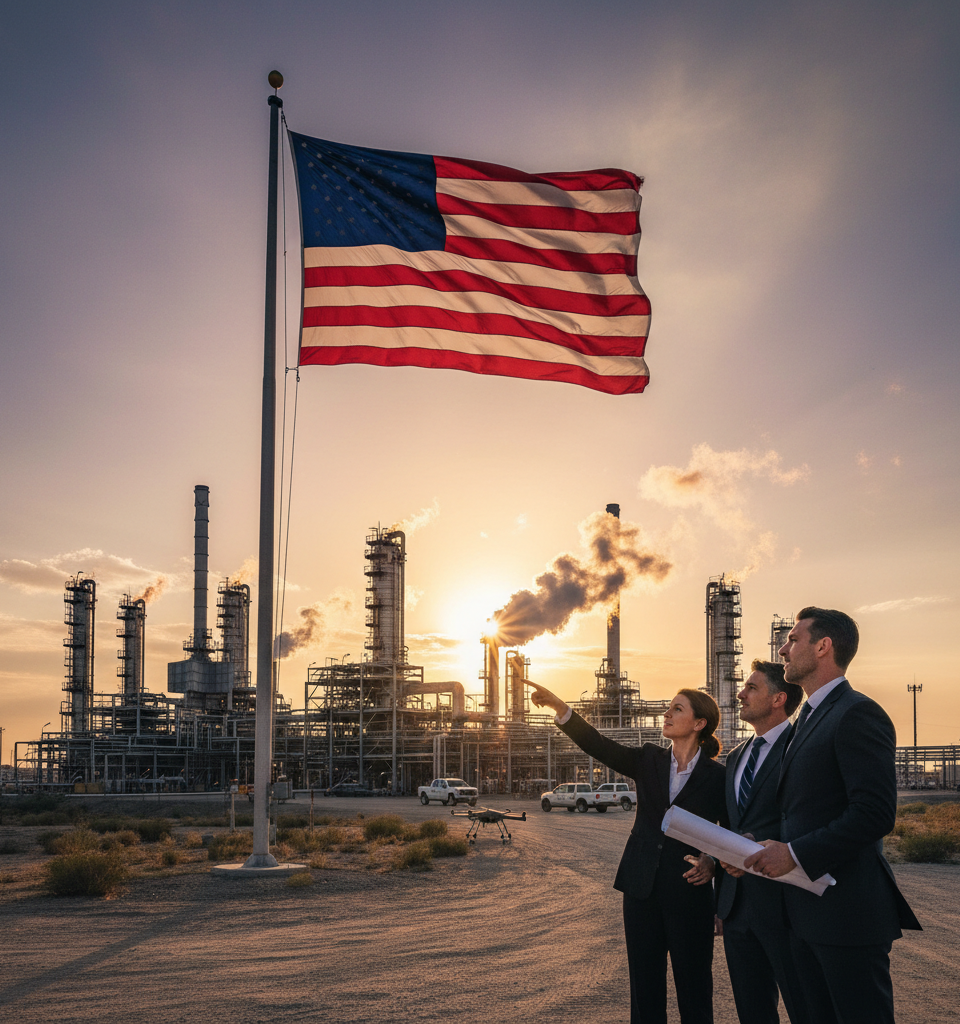
The United States' unprecedented ascent to net energy exporter status is fundamentally reshaping the bedrock of its foreign policy, ushering in an era where energy shocks may no longer dictate diplomatic parameters. This pivot, emerging over the past decade, grants Washington a significant degree of strategic autonomy, potentially enabling a more assertive and less constrained approach to international relations than at any point in recent history. The implications are profound, suggesting a future where geopolitical decisions are increasingly unencumbered by the specter of oil price volatility or supply disruptions.
Historical Context: Energy's Grip on US Diplomacy
For decades, American foreign policy was inextricably linked to its energy dependencies. From the early 1970s oil crises that reshaped the global economy to the sustained focus on stability in the Middle East, the U.S. has navigated international waters with an acute awareness of its reliance on imported oil. This dependence often necessitated delicate balancing acts, influencing alliances, military deployments, and economic sanctions. Phrases like 'energy security' became synonymous with national security, leading to strategic reserve management and diplomatic overtures aimed at securing supply chains. The current shift marks a dramatic departure from this post-World War II paradigm.
The Shale Revolution: A Game Changer
The technological marvel of the shale revolution, particularly horizontal drilling and hydraulic fracturing, has been the primary architect of this transformation. From a peak import dependence of over 60% in the mid-2000s, the U.S. became a net exporter of crude oil and petroleum products in 2020 for the first time in 75 years, according to the U.S. Energy Information Administration (EIA). Natural gas exports have also surged, positioning the U.S. as a leading global supplier of Liquefied Natural Gas (LNG). This domestic abundance has insulated the American economy from many of the geopolitical risks that previously sent oil prices soaring, providing a buffer that wasn't available in prior international crises.
Industry and Market Implications
This energy pivot has vast implications for global energy markets and the domestic economy. Domestically, it has spurred significant job growth in the energy sector, enhanced energy affordability for consumers, and reduced the trade deficit. Internationally, the U.S. is now a key player in tempering global energy price spikes, often by increasing its own output or strategic reserve releases. This has partially diluted the market power of traditional OPEC nations and offered energy-hungry allies, particularly in Europe and Asia, an alternative to Russian or Middle Eastern supplies, thereby enhancing energy diversification and potentially weakening geopolitical leverage of some adversarial nations.
Expert Perspective: A Double-Edged Sword?
Dr. Sarah Jenkins, an energy policy expert at the Council on Foreign Relations, notes, "While energy independence offers undeniable strategic advantages, it's not a silver bullet. It allows the U.S. to take a firmer stance on issues where it might have previously been hesitant due to energy concerns. However, it also removes a potential moderating influence. The U.S. could be perceived as less invested in global energy stability if its own supply is secure, which could have unintended consequences for international cooperation on energy transitions." Other analysts suggest this newfound freedom could empower Washington to impose tougher sanctions against oil-producing adversaries without fear of domestic blowback.
Geopolitical Repercussions and Future Trajectories
The most tangible repercussion is the potential for increased assertion in foreign policy. With less vulnerability to energy chokepoints and price volatility, the U.S. can theoretically pursue its interests with less compromise, whether in confronting state-sponsored cyberattacks, challenging human rights abuses, or navigating complex trade disputes. Furthermore, the role of U.S. LNG exports as an alternative energy source for allies could become a more prominent tool of diplomatic influence, bolstering alliances and countering competing energy suppliers.
What Lies Ahead
The trajectory of this evolution remains to be fully seen. Future developments will hinge on several factors: the sustained growth of domestic energy production, the pace of the global energy transition towards renewables, and the geopolitical landscape. U.S. policymakers will need to carefully calibrate this power, balancing the benefits of strategic independence with the responsibilities of a global leader. The question is not just if America will be more aggressive, but how that aggression will manifest and what new challenges and opportunities it will create on the global stage. This transformation represents a permanent shift in the U.S. geopolitical toolkit, the full implications of which are only just beginning to unfold.