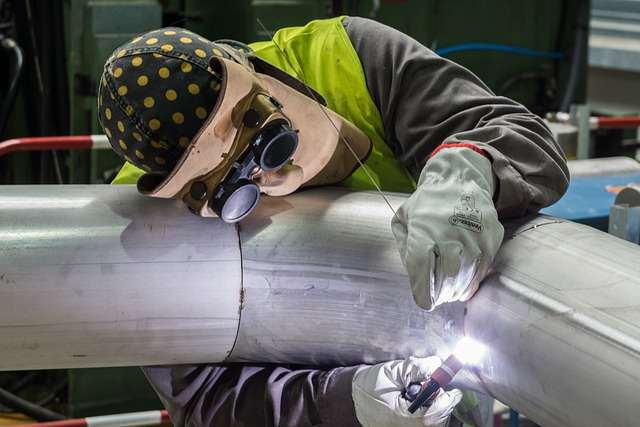
The American manufacturing sector finds itself in a perplexing economic phenomenon, as recent data indicates factory job reductions akin to those seen during the COVID-19 pandemic and prior economic downturns. This steep decline in employment within factories is unfolding simultaneously with a robust, surging demand for manufactured goods, creating a stark contrast in the industrial landscape.
Contextualizing the Contradiction
The current wave of job losses in manufacturing is particularly noteworthy given the broader economic narrative. While many sectors have shown resilience or recovery since the pandemic, the factory floor appears to be experiencing its own unique pressures. Historically, periods of high demand for manufactured products typically correlate with an expansion, not a contraction, of the labor force. This divergence suggests underlying shifts in production methodologies, supply chain dynamics, or perhaps a re-evaluation of staffing needs by manufacturers.
Unpacking the Data
Although specific figures were not provided, the description emphasizes that the scale of these job cuts has reached "COVID-19 and economic crisis levels." This framing suggests a significant, widespread reduction in factory employment, impacting a considerable portion of the manufacturing workforce. The concurrent surge in manufacturing demand implies that while products are needed, the traditional means of production – including the scale of human labor – may be undergoing a substantial transformation or facing external constraints.
Broader Economic Impact
This paradox carries significant implications for the broader U.S. economy. A healthy manufacturing sector is often considered a bellwether for national economic strength, contributing to GDP, innovation, and a stable middle-class workforce. If demand is high but employment is low, it could point to increased automation, greater reliance on offshore production for certain components, or efficiency gains that require fewer human hands. This could exacerbate economic inequality if displaced workers struggle to find comparable employment, despite overall industrial growth.
Potential Explanations and Future Outlook
Several factors could contribute to this unusual trend. Automation and advanced robotics might be enabling factories to boost output with fewer employees. Supply chain disruptions and efforts to reshore production could be leading companies to invest in capital-intensive technologies rather than expanding their labor force. Furthermore, companies might be optimizing existing workforces more stringently, or facing higher labor costs that necessitate a reduction in staff even amidst high demand. The long-term implications could see a more productive but less employment-intensive manufacturing sector, challenging policymakers to address workforce retraining and economic diversification for communities traditionally reliant on factory jobs.
Strategic Considerations for Industry Leaders
For manufacturers, this dual challenge presents strategic dilemmas. Balancing the drive for efficiency and technological adoption with social responsibilities regarding employment will be critical. Companies may need to communicate transparently about their workforce adjustments and invest in upskilling programs for their remaining employees, focusing on roles that complement automation rather than compete with it. The industry may also face increased scrutiny from labor organizations and government bodies if the trend of job losses amidst high demand continues unchecked.
The current situation underscores a pivotal moment for American manufacturing, where the traditional relationship between demand and employment is being redefined. Stakeholders across the industry, from business leaders to policymakers, will need to carefully navigate these conflicting forces to ensure a robust and equitable future for the sector.