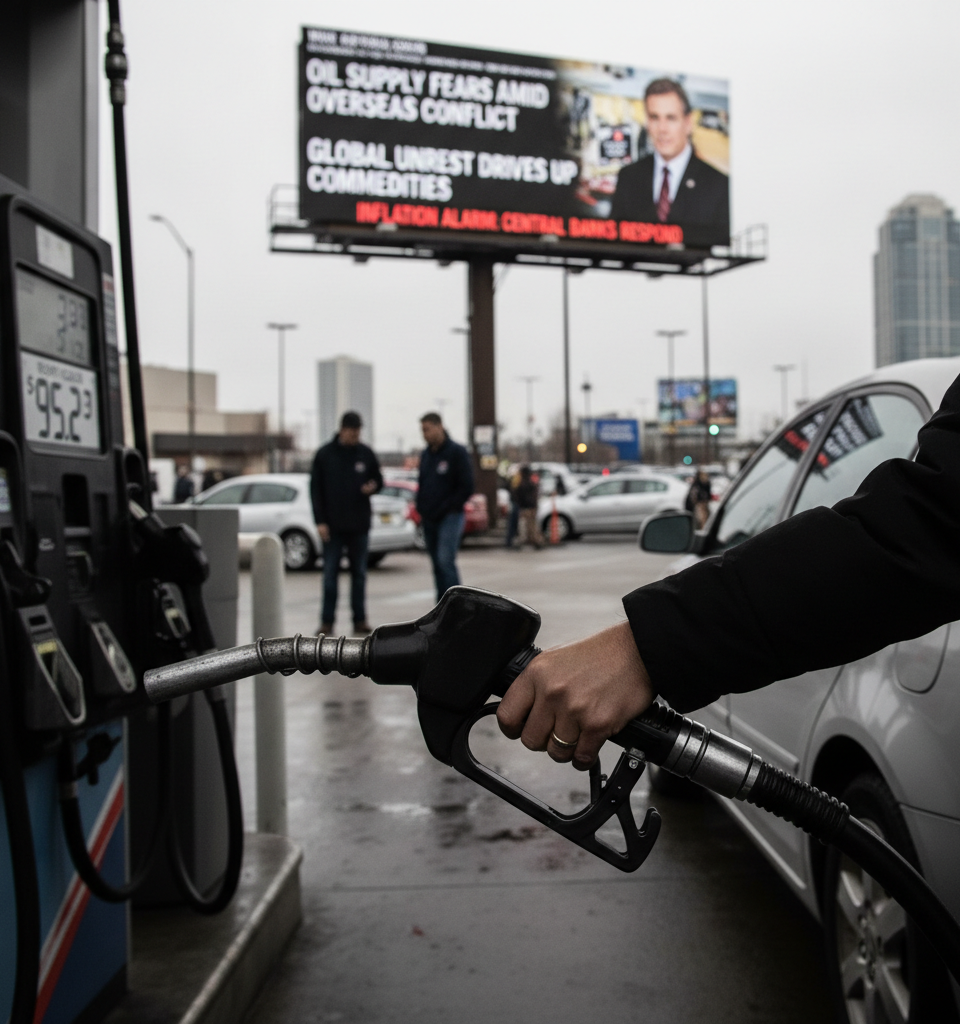
American consumers are facing an abrupt and substantial hit to their wallets as gasoline prices at the pump recorded their most significant monthly percentage increase in decades. This historic surge, propelled by persistent global instability stemming from the war in Iran, is rapidly amplifying inflationary pressures across the U.S. economy and imposing considerable financial strain on households and businesses nationwide.
The dramatic spike underscores the intricate link between international conflicts and domestic economic stability. While gasoline prices are always subject to seasonal fluctuations and supply-demand dynamics, the sheer magnitude of this latest jump — reportedly exceeding 15% in some regions within a single month — signals a more profound systemic shock. This unwelcome development revives painful memories of past energy crises and their crippling effects on economic growth and consumer confidence.
Throughout the past month, the average price of regular unleaded gasoline climbed from approximately $3.25 to over $3.75 per gallon, with some metropolitan areas witnessing prices pushing past the $4.00 mark. This rapid escalation represents the largest percentage increase since the OPEC oil embargo in the 1970s, starkly illustrating the severity of the current situation. The direct catalyst for this hike is largely attributed to the protracted conflict in Iran, which has disrupted global oil supplies and injected profound uncertainty into futures markets, driving up crude oil benchmarks like Brent and WTI.
The ripple effects of ballooning fuel costs are already being felt across the broader economic landscape. Transportation and logistics sectors are particularly vulnerable, with increased operational expenses inevitably passed down to consumers in the form of higher prices for goods and services. Airlines, trucking companies, and even food distribution networks are adjusting budgets, threatening to exacerbate existing supply chain bottlenecks and further contribute to persistent inflation. Small businesses, often operating on thinner margins, are finding it increasingly challenging to absorb these rising costs, potentially leading to price increases or reduced services.
Economic analysts are voicing significant concerns over the long-term implications of sustained high energy prices. Dr. Evelyn Reed, a senior economist at the National Economic Research Institute, commented, "This isn't merely a blip; it's a structural shift driven by geopolitical realities. Prolonged high gasoline prices act as a direct tax on consumers, reducing disposable income and potentially stifling economic growth by impacting discretionary spending and investment." She added, "The Federal Reserve will be closely monitoring this as they navigate their monetary policy decisions, with concerns about a potential stagflation scenario re-emerging."
Looking ahead, the trajectory of gasoline prices remains inextricably linked to the geopolitical situation in Iran. Any de-escalation of tensions or successful diplomatic efforts to stabilize the region could provide some relief to global oil markets. Conversely, an intensification of the conflict or disruptions to key shipping lanes could trigger further price increases. Domestically, the Biden administration is reportedly exploring options, including potential releases from the Strategic Petroleum Reserve, though such measures typically offer only temporary reprieves from fundamental market pressures. Consumers, meanwhile, are left to adapt to a new normal of higher transportation costs, impacting everything from daily commutes to summer travel plans.
Policy responses could include calls for increased domestic oil production, although such measures often face environmental scrutiny and have long lead times. The emphasis on renewable energy alternatives may also gain renewed urgency as nations seek to insulate themselves from volatile fossil fuel markets. For the average American, budgeting for higher fuel costs will become a critical component of household financial planning for the foreseeable future, potentially reshaping spending habits and commuting patterns.
The current gasoline price surge serves as a potent reminder of the interconnectedness of global events and local economies. As the conflict in Iran continues to unfold, its pervasive impact on energy markets promises to remain a defining economic challenge both for policymakers and everyday citizens in the United States and beyond.