Key Market Indicators and Data
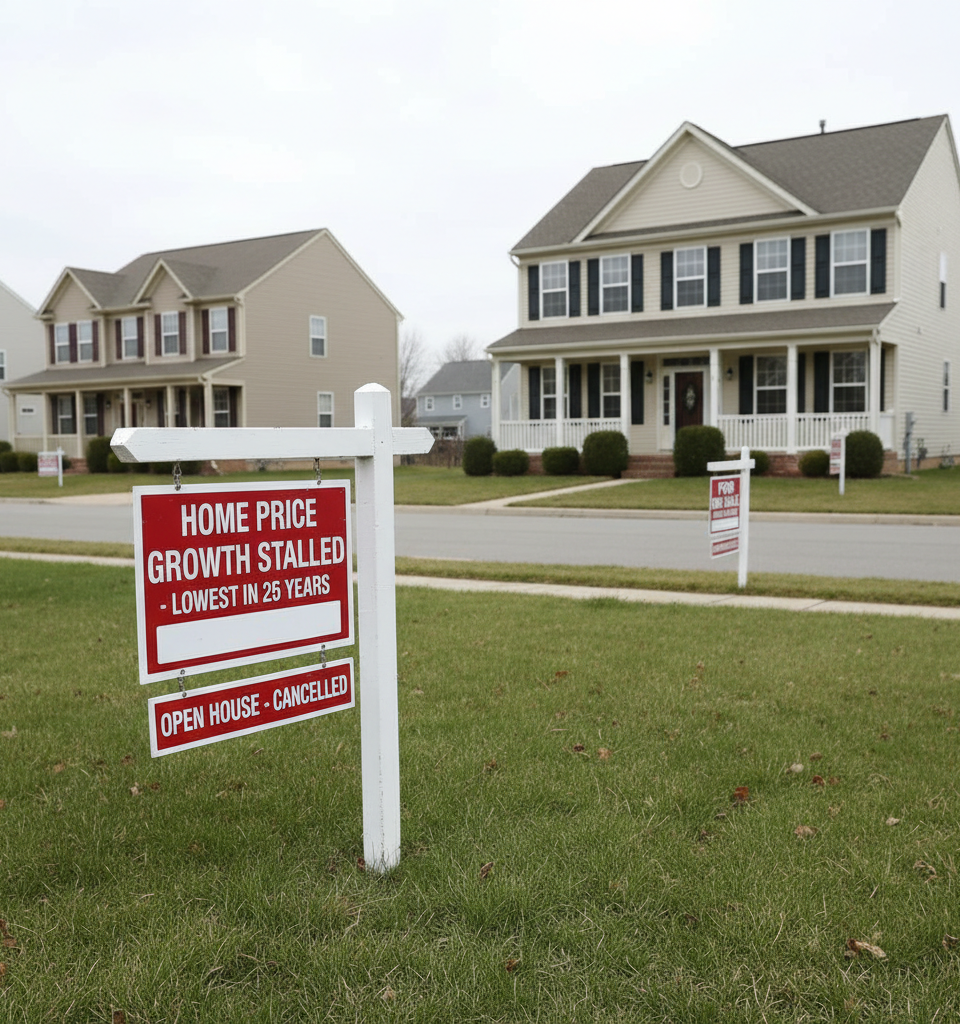
Redfin's analysis revealed that the median U.S. home sale price in March saw a modest increase of just 1.5% year-over-year. This figure represents a dramatic drop from the double-digit percentage gains observed throughout much of 2021 and early 2022. Several major metropolitan areas even experienced year-over-year price declines, though the national average was buoyed by resilient demand in other regions. New listings for homes nationwide plummeted by 20% compared to the same period last year, marking one of the steepest declines in supply in recent memory. This sharp reduction in inventory continues to exert upward pressure on prices, even as affordability challenges weigh heavily on prospective buyers.
Industry and Market Ramifications For the broader real estate industry, this slowdown spells a period of adjustment.
Lenders, brokers, and builders are recalibrating strategies to navigate a market characterized by lower transaction volumes and tighter profit margins. The scarcity of listings disproportionately impacts first-time homebuyers, who struggle to find suitable properties within their budget, particularly as mortgage rates remain elevated. The reduced pace of sales also means fewer commissions for real estate agents, prompting a shift towards more competitive service offerings and innovative marketing strategies.
Expert Perspectives on the Current Climate Economists and housing market analysts are closely watching these trends. Daryl Fairweather, Chief Economist at
Redfin, noted, “The dip in new listings is acting as a floor for prices, preventing a widespread correction despite weakening demand. Buyers are still out there, but they’re extremely price-sensitive and discerning.” Other experts suggest that the persistent inventory crunch is a structural issue, stemming from homeowners' reluctance to sell and forfeit historically low mortgage rates they secured years ago, preventing them from moving into a new home with a significantly higher rate.
What Lies Ahead for the Housing Market
Looking forward, the trajectory of U.S. home prices will largely depend on the interplay between mortgage rates, inflation, and continued inventory constraints. Should interest rates stabilize or even decline, it could re-energize buyer demand, potentially putting upward pressure on prices once more. Conversely, if economic uncertainties persist or deepen, further cooling could be on the horizon. The Federal Reserve's upcoming policy decisions will be critical in shaping the affordability landscape, while ongoing supply-side issues will continue to define the market's fundamental dynamics. Analysts predict a more balanced market could emerge in late 2024 or early 2025, but significant obstacles remain for a return to pre-pandemic normality.