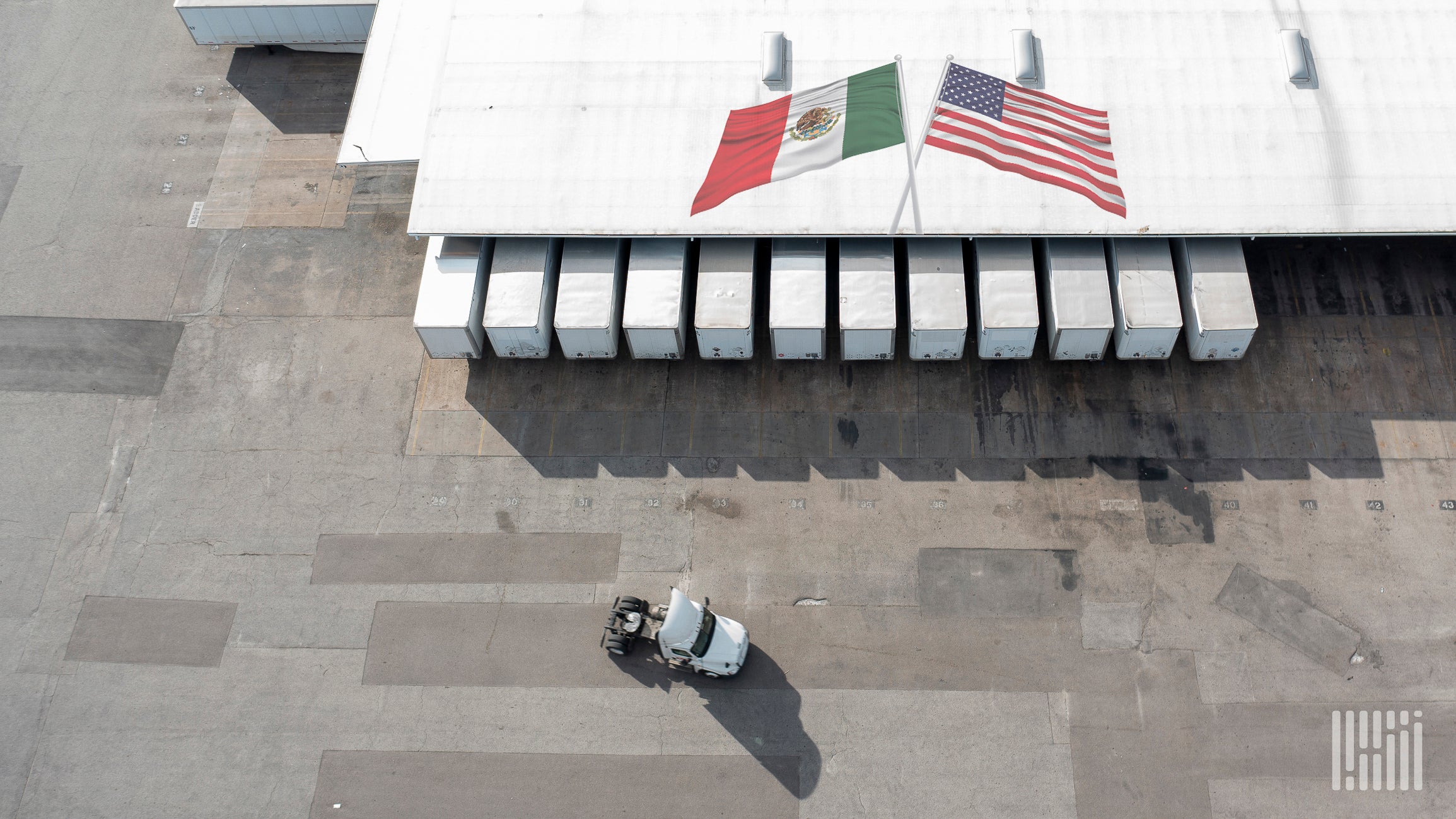
A bipartisan coalition of U.S. lawmakers is pressing for new tariffs on heavy machinery, including agricultural and construction equipment, imported from Mexico. This intensified lobbying effort stems from escalating concerns that the offshoring of production to Mexico by major manufacturers is eroding American industrial strength and endangering domestic jobs. The push marks a critical diversification of trade protectionist measures, moving beyond previously targeted goods and directly confronting a sector vital to the U.S. economy, potentially reshaping North American supply chains under the United States-Mexico-Canada Agreement (USMCA).
Offshoring Worries Fuel Protectionist Calls
The current tariff discussion is rooted in a broader anxiety regarding the hollowing out of American manufacturing. Lawmakers argue that U.S. companies are increasingly shifting assembly and even component production of large machinery, such as tractors, excavators, and industrial loaders, to Mexico to leverage lower labor costs and less stringent regulations. This trend, they contend, undermines the concept of a robust domestic industrial base, which is deemed crucial for economic resilience and national security. The legislators' concerns are amplified by the recent surge in imports of these capital goods from Mexico, prompting a reevaluation of trade policies designed to safeguard U.S. production capabilities.
Bipartisan Pressure and Industry Impact
Specific details regarding the proposed tariffs, such as their potential percentage or the precise categories of machinery they would cover, remain under development. However, congressional offices are reportedly engaging with the U.S. Trade Representative (USTR) and the Department of Commerce to outline the scope and economic justification for such measures. Industry insiders suggest that some of the largest global manufacturers with significant presences in both the U.S. and Mexico could be directly impacted, potentially leading to increased production costs, supply chain disruptions, and higher prices for American consumers and businesses relying on this equipment. The tariffs could particularly hit the U.S. agricultural sector, which depends heavily on this machinery for its operations.
Broader Economic Repercussions and Trade Relations
Should new tariffs be implemented, the immediate impact would likely be felt across the supply chains that crisscross the U.S.-Mexico border. Companies that have invested heavily in Mexican production facilities would face difficult choices: absorb the tariff costs, pass them on to consumers, or consider reshoring production to the U.S., a process that is both costly and time-consuming. This move could also strain broader U.S.-Mexico trade relations, testing the spirit and letter of the USMCA, an agreement designed to foster integrated North American manufacturing. Economists are wary of potential retaliatory measures from Mexico, which could affect U.S. exports or other industries relying on Mexican inputs.
Expert Analysis: Navigating a Complex Trade Landscape
Trade economists and supply chain experts offer a nuanced view. Dr. Eleanor Vance, a senior fellow at the Peterson Institute for International Economics, notes, "While the concern for domestic manufacturing is legitimate, tariffs are a blunt instrument. They can increase costs for U.S. businesses and consumers, and provoke retaliatory actions, ultimately disrupting established supply chains without guaranteeing a significant return of high-paying jobs." She stresses the importance of understanding the intricate nature of modern manufacturing, where components often cross borders multiple times before final assembly. "A more targeted approach, perhaps through investment incentives or enhanced workforce development programs, might yield better long-term results for U.S. competitiveness," Vance adds.
The Path Forward: Advocacy, Negotiations, and Potential Actions
The immediate future will see continued advocacy from interested lawmakers and industry groups. The USTR will likely undertake an investigation into the alleged harm to domestic industries, a prerequisite for initiating new tariffs under various trade laws. Manufacturers may lobby against the tariffs, emphasizing the global nature of their operations and the potential negative impact on their competitiveness. The Biden administration, balancing its commitment to American manufacturing with its broader trade agenda, will face pressure to either embrace or resist these protectionist calls. The outcome of this tariff push could define a new era of U.S. trade policy towards its southern neighbor, potentially setting precedents for how future offshoring concerns are addressed across various industrial sectors.
Conclusion: A Critical Juncture for North American Manufacturing
This emerging tariff battle over heavy machinery from Mexico represents a critical juncture for North American manufacturing and trade policy. It underscores the persistent tension between the purported benefits of globalized production and the imperative to maintain a robust domestic industrial base. The decisions made in the coming months will not only impact individual companies and sectors but could also redefine the operational parameters of the USMCA and the future trajectory of economic integration between the United States and Mexico.