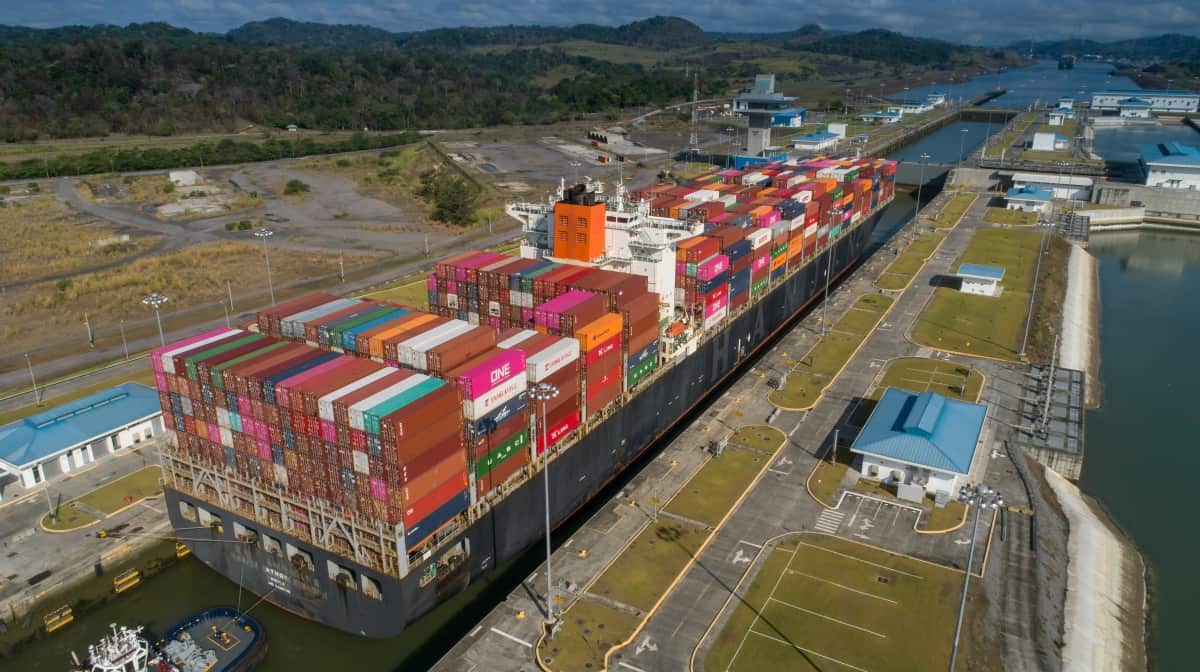
WASHINGTON D.C. - The U.S. Federal Maritime Commission (FMC) has publicly stated it is actively monitoring potential retaliatory actions by the People's Republic of China against Panama-flagged ships. This heightened scrutiny comes amid concerns that such measures could severely compromise the resilience and efficiency of the American supply chain, potentially exacerbating existing logistical challenges and economic pressures. The FMC's declaration underscores the intricate geopolitical dynamics at play within global maritime trade.
Geopolitical Undercurrents in Global Shipping
This situation emerges against a backdrop of escalating tensions between the U.S. and China, often manifesting in economic and trade disputes. Panama, a crucial hub for international shipping due to the Panama Canal, maintains diplomatic relations with both Beijing and Washington. Any move by China to target Panama-flagged vessels could be interpreted as a proxy tactic to exert pressure, given Panama's strategic importance in global maritime commerce. The Panama Canal facilitates approximately 5% of global maritime trade and a significant portion of all container traffic moving between Asia and the U.S. East Coast, making any disruption acutely impactful.
FMC's Oversight and Potential Disruptions
While specifics of China's potential retaliatory actions were not detailed by the FMC, historical precedents suggest a range of tactics could be employed, including increased port inspections, delayed customs clearances, or even denial of port access. Such measures, even if targeted at a specific flag state, invariably ripple through the interconnected shipping network. The FMC's mandate includes ensuring a competitive and efficient ocean transportation system, making its vigilance critical. "We are closely watching any developments that could impact the free flow of commerce," an FMC spokesperson, who preferred anonymity due to the sensitivity of the matter, stated, emphasizing the commission's commitment to mitigating risks to U.S. importers and exporters.
Broader Economic and Industry Impact
The maritime shipping industry accounts for over 80% of global trade by volume, and any significant destabilization in key routes or by major players like China can have far-reaching economic consequences. For the U.S., specifically, dependence on East Asian manufacturing means that disruptions to shipping from critical transit points like Panama could lead to increased shipping costs, longer transit times, and ultimately, higher consumer prices. Businesses, still grappling with post-pandemic supply chain volatilities, could face renewed pressure, potentially impacting inventory levels and profitability. Analysts estimate that even a 10% increase in average shipping costs due to such disruptions could translate to a 0.5% decrease in U.S. GDP growth over an annual period.
Expert Commentary on Strategic Implications
Maritime policy experts view this development with concern, noting the weaponization of trade and logistics in international diplomacy. Dr. Eleanor Vance, a professor of international trade at Georgetown University, commented, "China's leveraging of its economic power in shipping is not new, but targeting a neutral shipping registry like Panama would be a significant escalation. It forces other nations to re-evaluate their supply chain contingencies and could accelerate 'friend-shoring' initiatives." Experts suggest that while direct economic retaliation might be the immediate concern, the long-term impact could be a further fragmentation of global trade routes and a push towards more localized production, albeit at a higher cost.
Mitigating Risks and Future Outlook
The FMC's monitoring is likely part of a broader strategy by U.S. agencies to preemptively identify and address potential vulnerabilities. In response, shipping companies might consider diversifying their fleets' flag states, adjusting routing, or seeking alternative alliances. The U.S. government could also explore diplomatic channels to de-escalate tensions or implement contingency plans for cargo rerouting. The immediate future will likely see continued diplomatic maneuvering, with both China and the U.S. weighing the economic costs against geopolitical objectives. Businesses relying heavily on pan-Pacific trade routes are advised to review their logistics strategies and monitor official advisories closely for any changes in port access or shipping regulations.
This situation underscores the delicate balance between international trade, national sovereignty, and global geopolitical rivalries, emphasizing how even seemingly localized disputes can have profound effects on the highly integrated global economy.