Pandemic Boom Gives Way to Market Normalization
The self-storage industry witnessed exponential growth during the COVID-19 pandemic, driven by shifts in remote work, migration patterns, and increased e-commerce activity, which led to a surge in demand for additional space. This heightened demand, coupled with limited supply, pushed rental rates to historic highs throughout 2021 and into mid-2022. The current price adjustment, while sharp, can be viewed as a market normalization following an unsustainable period of rapid escalation. Experts suggest that the current pricing reflects a return to pre-pandemic growth trends, albeit with a steeper decline than some might have anticipated.
Unpacking the Numbers: A Deep Dive into Rental Dynamics
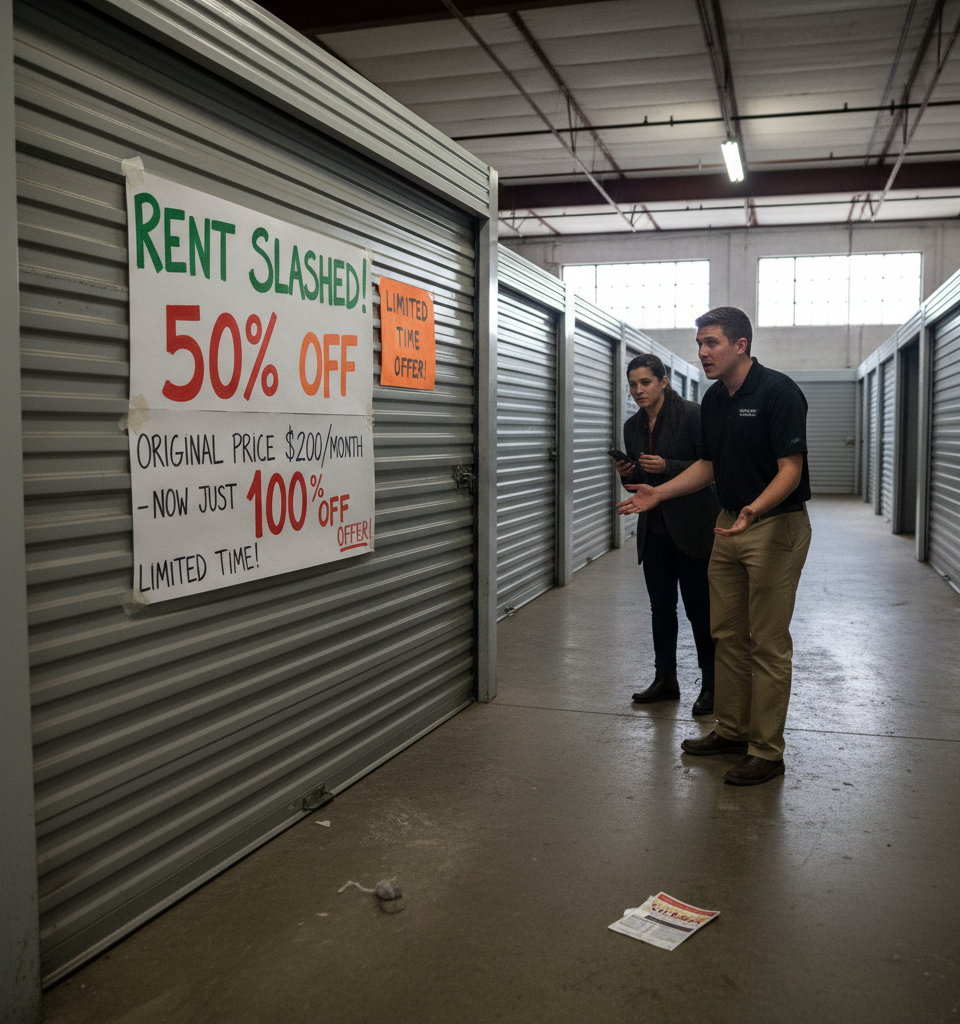
The figures from SpareFoot offer a clear snapshot of the market's contraction. The average monthly rent of $74.98 for a 10x10 unit represents a substantial decrease from the 2022 peak. This correction is not uniform across all unit sizes or locations but reflects a broad-based adjustment. Rental costs, a critical metric for both consumers and investors, are directly influenced by supply and demand dynamics. As the initial surge in pandemic-driven demand wanes and new storage facilities continue to come online, the equilibrium shifts, favoring renters. The substantial drop suggests that the market has moved from an owner's market to one with increased competition among providers.
Broader Implications for the Self-Storage Landscape
This dramatic drop in rental rates has significant implications for the broader self-storage industry. For consumers, it translates to more affordable options for temporary or long-term storage needs, potentially alleviating financial pressure. For developers and investors, however, the landscape is becoming more challenging. The lower rental yields could dampen enthusiasm for new construction and acquisitions, forcing a reassessment of valuation models that were based on peak pandemic pricing. Existing operators may face pressure on their margins, prompting a focus on operational efficiencies and competitive pricing strategies to maintain occupancy rates.
Expert Perspectives: Analysts Weigh In
Industry analysts are largely in agreement that this is a market correction rather than a collapse. "What we're seeing is a natural rebalancing of supply and demand after an extraordinary period of growth," says Sarah Jenkins, a real estate analyst specializing in alternative assets. "The pandemic created an artificial demand spike, and now the market is correcting to a more sustainable level. Investors need to adjust their expectations accordingly and focus on facilities with strong fundamentals and strategic locations." Others suggest the oversupply in certain markets, fueled by rapid development during the boom, is now a key factor driving down prices.
What Lies Ahead: Navigating a New Market Reality
The future of the self-storage market will likely be characterized by increased competition and a renewed focus on value-added services. Operators may look to differentiate themselves through enhanced security, technology integration (such as smart access systems), and customer service to attract and retain tenants. While further steep declines may stabilize, the era of rapidly escalating rents appears to be over for the foreseeable future. Investors and developers will need to adopt a more cautious approach, prioritizing market analysis and sustainable growth over speculative ventures. The industry will need to adapt to a more competitive environment, where operational excellence and tenant satisfaction will be paramount.