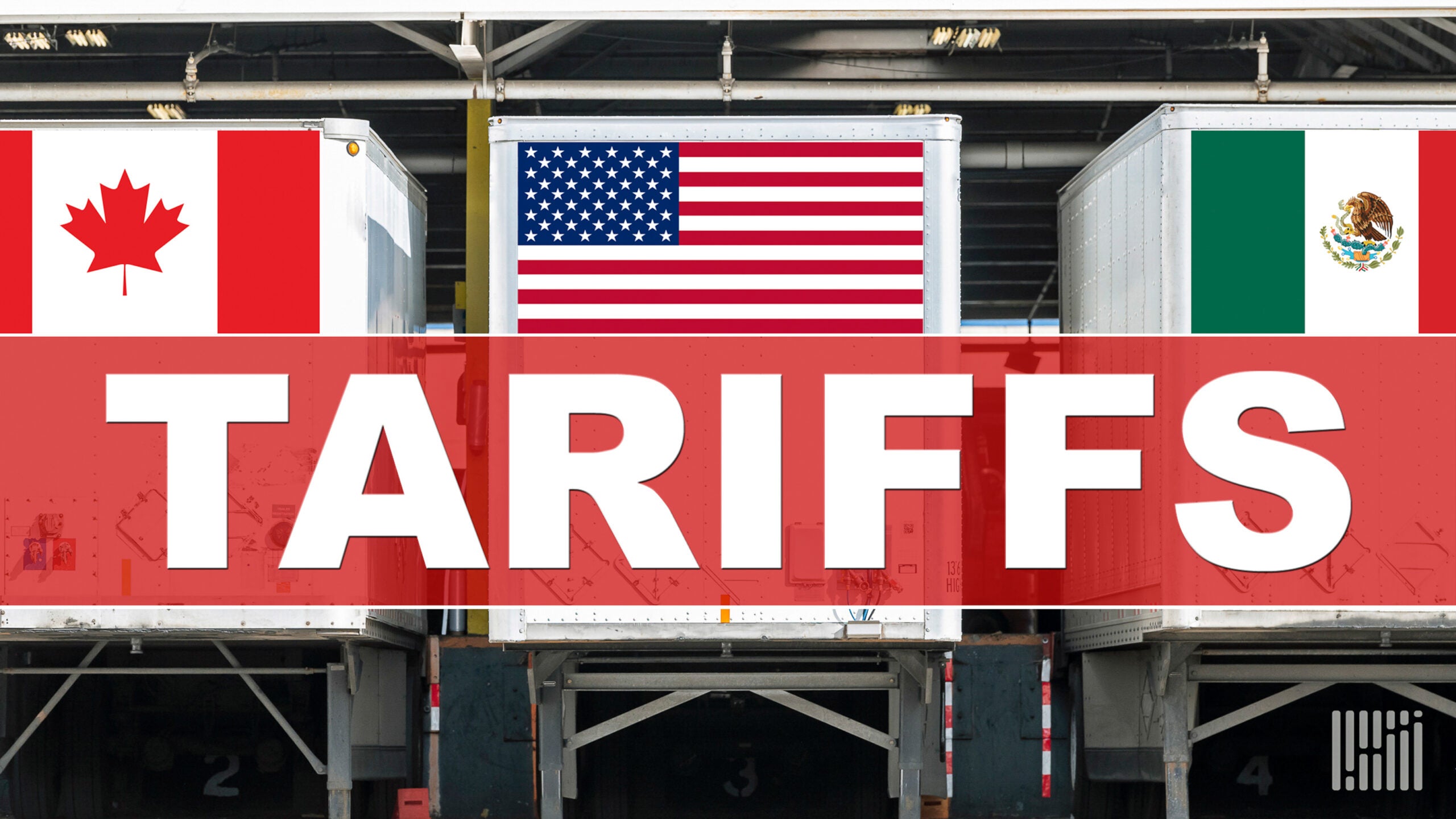
The Trump administration is on the brink of implementing a significant revision to its tariff policies, specifically targeting how duties are applied to various metal-based products. This impending change is expected to precipitate a substantial increase in import costs for American businesses and could fundamentally alter established cross-border freight flows, sending ripples through global supply chains and trade partnerships.
A Legacy of Protectionism Takes a New Turn
This move comes as a further extension of the administration's 'America First' trade agenda, which has previously seen the imposition of Section 232 tariffs on steel and aluminum imports. While specific details of the upcoming changes remain under wraps, initial indications suggest a more granular and potentially broader application of duties, moving beyond raw materials to encompass a wider array of manufactured metal goods. The underlying rationale, according to unnamed administration officials, is to further protect domestic industries from what are perceived as unfair foreign trade practices and to stimulate domestic production, particularly ahead of the upcoming election cycle.
Unpacking the Potential Policy Shift
Sources close to the administration suggest the revised policy may involve a reclassification of certain metal alloys or finished products, subjecting them to higher duty rates or even outright quotas. One particular area of focus is believed to be complex manufactured components that currently fall into broader, less-tariffed categories. For instance, a rise in tariffs from the current average of 2.5% to upwards of 10-15% on specific semi-finished metal goods could translate into billions of dollars in increased costs for U.S. manufacturers. This re-evaluation of duty structures could also redefine what constitutes a 'U.S.-made' product, potentially impacting rules of origin and domestic content requirements for various sectors.
Widespread Industry Repercussions Anticipated
The anticipated tariff adjustments are set to reverberate across the automotive, construction, and manufacturing sectors. Companies heavily reliant on imported metal components – from vehicle frames and construction beams to consumer electronics casings – face the prospect of significantly higher production costs. These increased expenses are likely to be passed on to consumers, potentially fueling inflation in key economic sectors. Furthermore, the intricate network of logistics and transportation, particularly cross-border trucking and rail services, will have to adapt to potential shifts in trade volumes and routes, as businesses seek to mitigate the impact of new duties.
Expert Predictions: Shifting Supply Chains and Geopolitical Tensions
Trade analysts are warning of immediate and long-term consequences. Dr. Emily Chen, a senior economist at Global Trade Insights, commented, "This tariff rewrite isn't just about higher prices; it's about forcing a fundamental re-evaluation of global supply chain strategies. We could see a significant reshoring or nearshoring of manufacturing, but not without substantial short-term disruption and cost." Other experts suggest that the policy could exacerbate trade tensions with key allies and rivals alike, potentially inviting retaliatory tariffs that further complicate the global economic landscape.
The Road Ahead: Uncertainty and Adaptation
While the exact implementation timeline remains fluid, industry stakeholders are bracing for an official announcement in the coming weeks. Businesses are already exploring contingency plans, including diversifying their supplier base or investing in domestic production capabilities. The long-term implications could include a more fragmented global trade system, characterized by regional supply blocs and increased protectionist measures. The ultimate success or failure of this policy will hinge on its ability to genuinely bolster domestic industries without unduly stifling economic growth or triggering a widespread trade war.
The potential for increased litigation in international trade courts, as countries and corporations challenge the legality and fairness of these new duties, also looms large. Furthermore, the policy will be a significant topic of debate in the upcoming presidential election, with varying perspectives on its economic efficacy and geopolitical consequences. The global metal market, already volatile due to economic uncertainties, is now bracing for another significant jolt.
Key Considerations for Businesses
Companies should proactively audit their supply chains, identify critical metal-based imports, and model the potential impact of various tariff scenarios. Engaging with trade associations and lobbying efforts might also prove crucial in shaping the final contours of the policy or in securing exemptions where possible. The fluidity of the situation demands vigilance and adaptability from all participants in the global metal trade ecosystem.