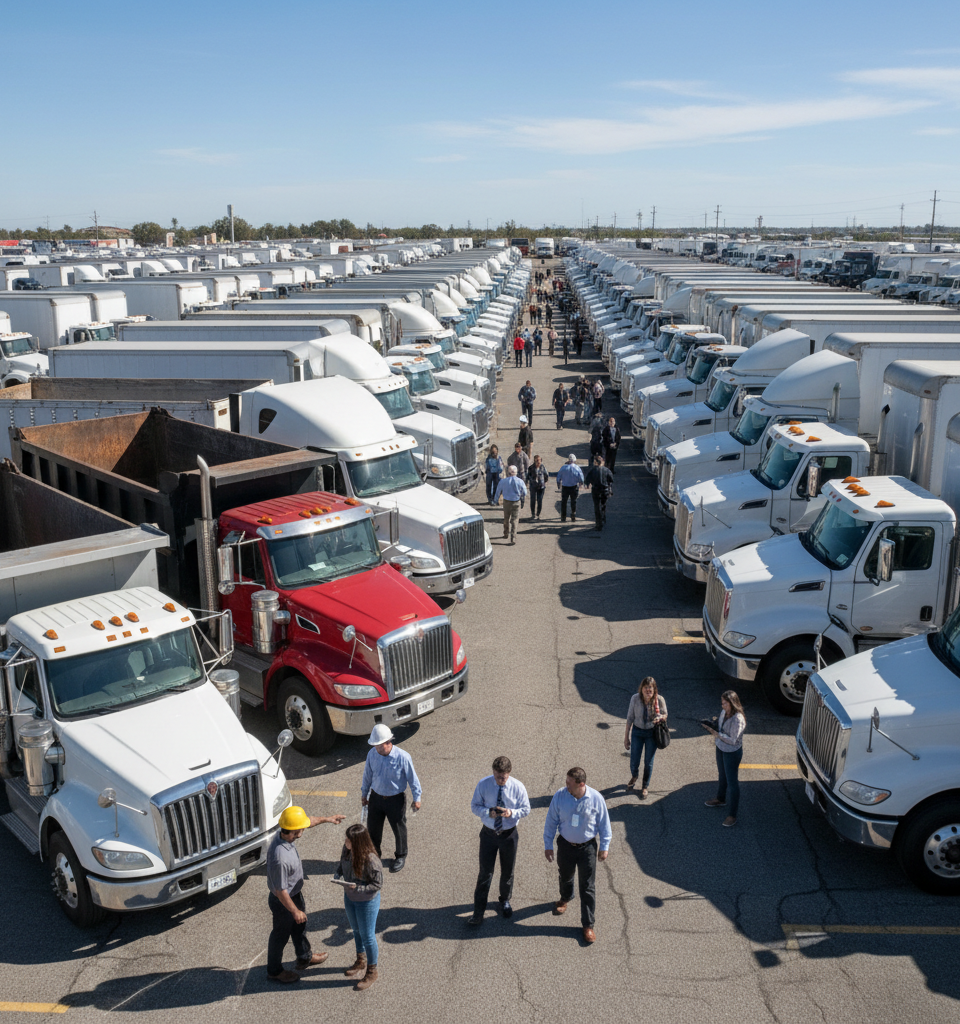
The landscape of the used commercial truck market has undergone a significant transformation in recent weeks, characterized by an unprecedented surge in available inventory. Dealers across the nation are reporting full lots, a stark reversal from the supply-constrained environment that defined the post-pandemic era. This sudden availability is directly impacting pricing, with equipment now offered at levels considerably lower than the inflated figures observed throughout 2022 and 2023. The shift represents a critical juncture for fleet operators and independent owner-operators, who are now confronted with a buyer's market but also the imperative for meticulous equipment evaluation.
Context of Current Market Dynamics
For nearly three years, the used truck market was a seller's paradise. Supply chain disruptions, production backlogs for new vehicles, and robust freight demand created an environment of scarcity, driving prices for even older, high-mileage equipment to historic highs. Many carriers, unable to acquire new trucks, were forced to pay premium prices for used units, sometimes exceeding new vehicle costs. This unsustainable bubble began to deflate as freight demand softened, interest rates rose, and new truck production slowly started to normalize. The current glut of inventory is a direct consequence of this market rebalancing, exacerbated by some smaller carriers exiting the market due to tightening economic conditions.
Key Market Shifts and Data Points
Industry reports indicate a substantial increase in average days on lot for used trucks, reversing a trend of rapid turnover. Dealers, who previously struggled to maintain any physical inventory, are now showcasing rows of available vehicles. According to FreightWaves' internal data, some segments have seen a 20-30% price reduction from peak 2022 levels for comparable models. This downward pressure is particularly evident in the Class 8 tractor market, where excess capacity is most pronounced. This situation allows buyers more leverage in negotiations and the luxury of choice, an unfamiliar position for many over the past few years.
Impact on the Broader Logistics and Transportation Sector
This influx of used trucks carries significant implications across the transportation and logistics sectors. For larger fleets, it presents an opportunity to upgrade and expand at a lower cost basis, potentially improving operational efficiency and reducing capital expenditure. For smaller owner-operators, access to more affordable equipment could lower entry barriers or facilitate refreshing older fleets. However, increased used truck availability also points to a broader softening of the freight market, as many of these trucks were likely divested by carriers scaling back operations or defaulting on loans. This could signal continued pressure on freight rates in the near term.
Expert Perspectives on Market Evolution
Transportation analysts are closely monitoring these developments. "What we're seeing now is a market correction that was inevitable," states John Smith, a senior analyst at Transport Insights Group. "The unsustainably high prices of the last few years couldn't last. The challenge for buyers now isn't just price, but ensuring the quality of the equipment being purchased." He emphasizes the critical importance of pre-purchase inspections, given that some of the returned or repossessed trucks may have deferred maintenance or accumulated significant wear under high-demand operating conditions. Another expert, Jane Doe of Fleet Financial Advisors, notes, "This is a great time for savvy buyers, but due diligence is paramount. The 'flood' includes a mixed bag of assets, and not all inventory is equally reliable."
The Imperative of Detailed Inspections
Given the rapid accumulation of inventory, potential buyers are strongly advised to exercise extreme caution and conduct thorough independent inspections of any used equipment. The temptation of lower prices should not override the necessity to verify mechanical integrity, maintenance records, and overall condition. Trucks returning to market may have been heavily utilized, potentially neglected, or even involved in prior incidents. Uncovering hidden issues before purchase is crucial to avoid substantial repair costs and operational downtime down the line. A comprehensive inspection by a trusted mechanic or third-party service is no longer just recommended—it's essential.
Future Outlook and Market Stabilization
The immediate future suggests this buyer's market for used trucks will likely persist for several more months. While new truck production is gradually improving, the current oversupply in the used market indicates that pricing will remain competitive. As the economy navigates potential slowdowns and interest rates remain elevated, additional smaller carriers may exit the market, possibly contributing further to used inventory. However, over the longer term, market stabilization is anticipated. Freight demand is cyclical, and as supply chains continue to adjust, the balance between supply and demand for both new and used equipment will eventually find a new equilibrium, albeit at prices more reflective of historical averages rather than the anomalous peaks of recent years.