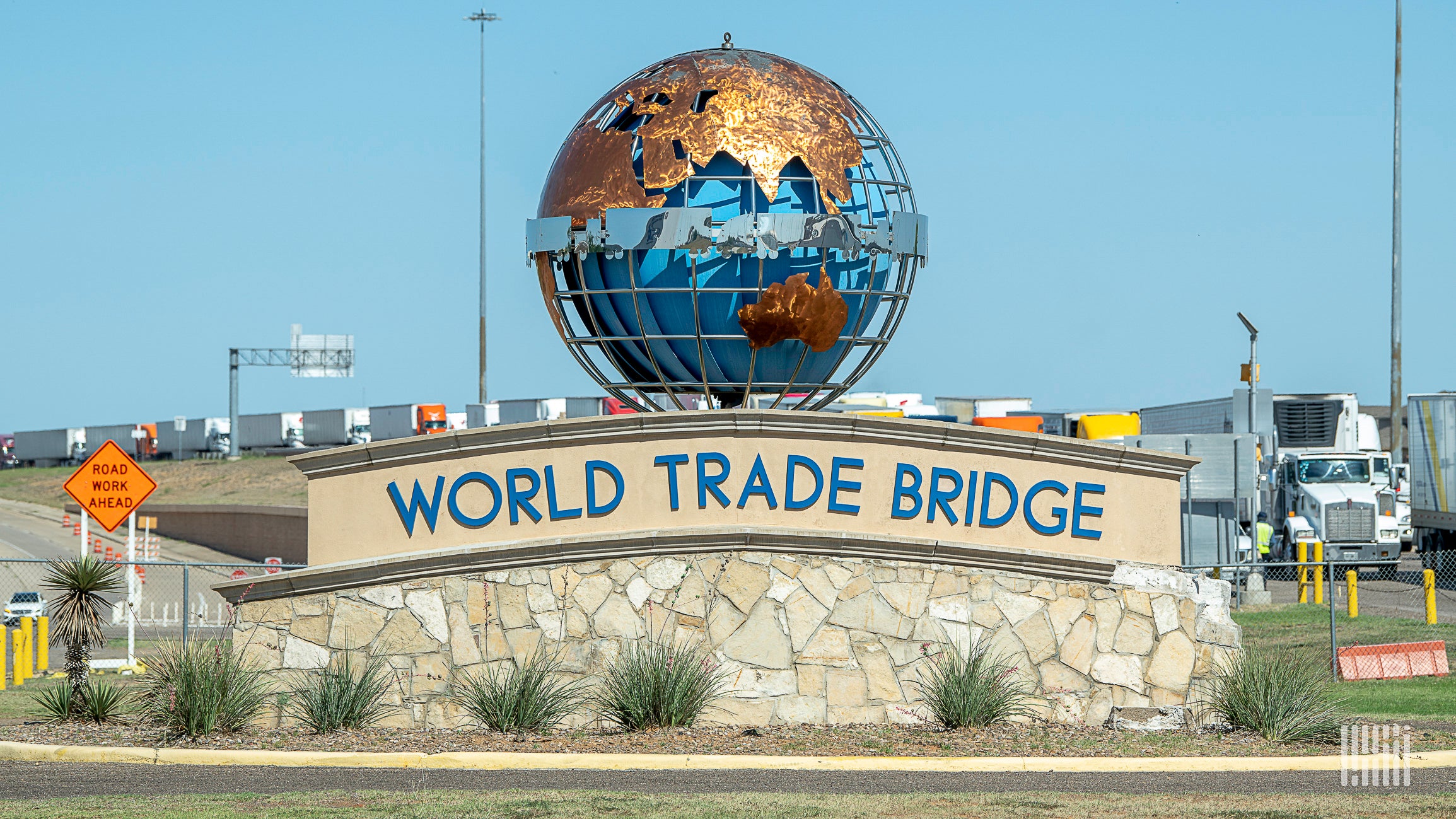
Mexico City, Mexico – As the United States-Mexico-Canada Agreement (USMCA) approaches its critical four-year review this summer, industry analysts and governmental bodies alike are bracing for adjustments that could fundamentally reshape North American supply chains. This tri-national trade pact, which superseded NAFTA in 2020, is facing heightened scrutiny amid a global push for supply chain resilience and nearshoring strategies. The impending review is expected to significantly impact manufacturing, logistics, and trade flows across the continent, with Mexico poised to play an increasingly central role in the reconfigured economic landscape.
The genesis of the USMCA review is rooted in the agreement’s Article 34.6, which mandates a joint review by the three member nations every six years, with a provision for an interim review at the four-year mark. This structured evaluation allows for updates and amendments to address evolving economic realities, technological advancements, and geopolitical shifts. The urgency of this review is amplified by recent supply chain disruptions, including the COVID-19 pandemic and geopolitical tensions, which have exposed vulnerabilities in geographically dispersed global supply networks. Consequently, there's a concerted effort to shorten lead times and reduce dependency on distant production hubs, making nearshoring to Mexico an increasingly attractive proposition for U.S. and Canadian businesses.
Recent developments underscore Mexico's burgeoning importance within this framework. For instance, Amazon is set to open a substantial 116,000-square-foot last-mile delivery facility in Beaumont, Texas, strategically positioned to optimize cross-border logistics and serve burgeoning demand fueled by increased trade. Simultaneously, Nissan's inauguration of an internal logistics terminal at its Aguascalientes plant exemplifies a broader trend of companies investing in robust, localized logistics infrastructure to enhance efficiency and production capacity within Mexico. These investments reflect a concerted effort by major multinational corporations to leverage Mexico's strategic geographic location and improving industrial base.
The implications for various industries are profound. Sectors such as automotive, electronics, and aerospace, which rely heavily on intricate cross-border supply chains, are particularly susceptible to the outcomes of the USMCA review. Potential changes could include revised rules of origin, altered labor provisions, or new environmental standards, all of which would necessitate adjustments to existing production and sourcing strategies. This could further incentivize the relocation of manufacturing operations from Asia to Mexico, driving demand for industrial real estate, logistics services, and skilled labor within the country. The total value of goods traded between the US and Mexico exceeded $779 billion in 2023, and any adjustments to the USMCA could substantially alter these figures.
Industry experts project a significant increase in nearshoring activities post-review. Dr. Patricia Rojas, an international trade economist, comments, "The USMCA review isn't just a procedural check; it's an opportunity to solidify North American manufacturing competitiveness. We anticipate a greater emphasis on regional content requirements, which will invariably channel more investment into Mexican production capabilities and strengthen its position as a global manufacturing hub." This sentiment is echoed by projections suggesting Mexico could capture an additional 15-20% of the nearshoring market over the next five years, translating to billions of dollars in new investment.
Looking ahead, the post-review landscape promises a dynamic period of adaptation and growth. Businesses are already recalibrating their supply chain strategies in anticipation of potential USMCA amendments. Mexico's government, in partnership with the private sector, is gearing up to facilitate this influx of investment by improving infrastructure, streamlining customs processes, and developing a skilled workforce. The outcomes of the USMCA review will not only redefine North American trade but also firmly establish Mexico as a critical nexus in a more integrated and resilient continental economy. Expect ongoing dialogues, public consultations, and potentially new legislative proposals as the review progresses through the latter half of the year.