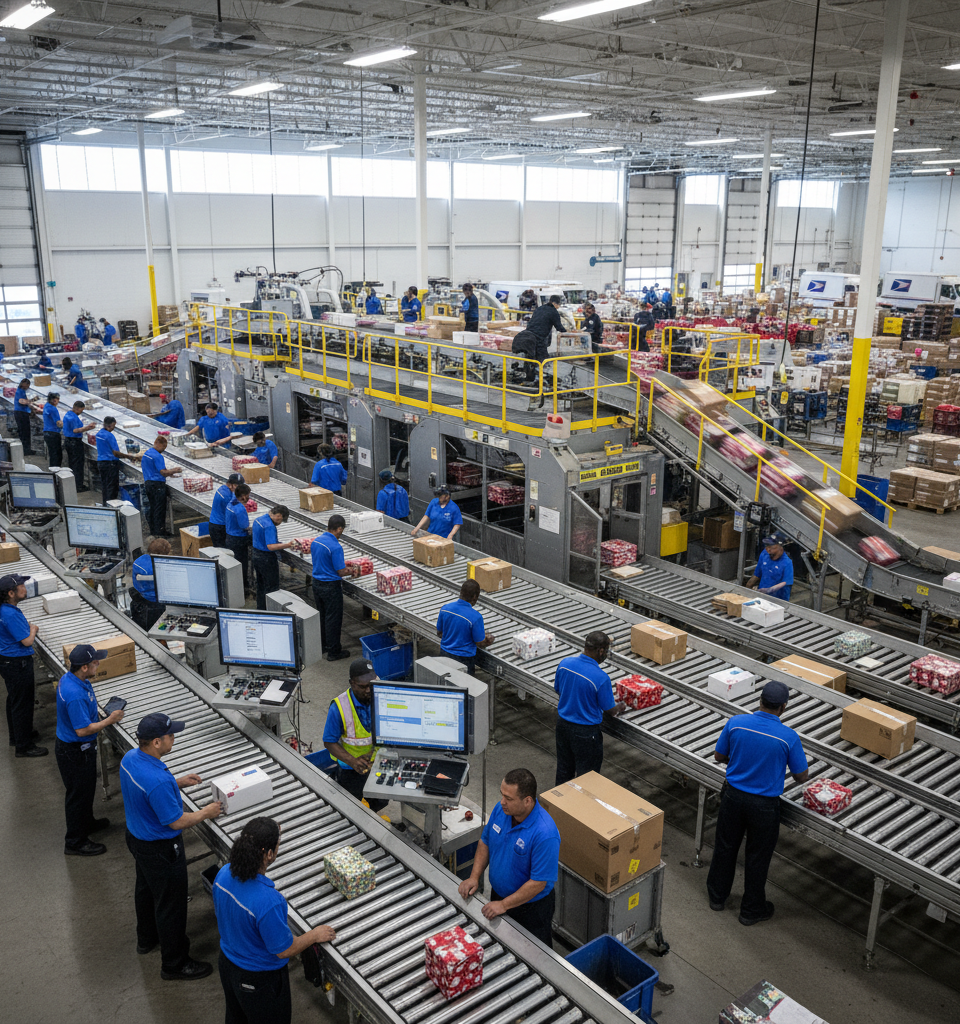
The U.S. Postal Service delivered a more efficient peak holiday season in 2025, a success driven by strategic communication initiatives and critical processing facility upgrades. Despite these advancements enabling smoother operations during its busiest period, an evaluation by the USPS Office of Inspector General (OIG) revealed that the agency continued to miss several key performance targets, underscoring the ongoing challenges in achieving universal service standards.
Context and Background
Historically, the USPS has faced significant operational strain during the holiday peak season, characterized by massive mail volumes, logistical bottlenecks, and public complaints regarding delayed deliveries. The period between Thanksgiving and New Year's Day typically sees parcel volumes surge by over 20-30% compared to average weekly rates. The intensified scrutiny over the past few years, particularly during the pandemic-era e-commerce boom, led to widespread calls for operational improvements and greater accountability. This latest OIG report provides a crucial barometer of the USPS's progress in adapting to modern postal demands and fulfilling its mandate for reliable mail delivery across the nation.
Key Details and Findings
According to the OIG report, comprehensive communication strategies played a pivotal role in the 2025 peak season's improved showing. Enhanced coordination between processing facilities, delivery units, and transportation networks allowed for more agile responses to unforeseen surges and disruptions. The implementation of new sorting technologies and the optimization of existing parcel processing equipment at various regional distribution centers also contributed significantly to the increased throughput.
For instance, new automated package sorters were credited with a 15% increase in processing speed for standard parcels. Nevertheless, the report specified that certain service metrics, particularly those related to First-Class Mail and Marketing Mail, consistently fell short of the USPS's own stated targets, with some regional performance dipping below historical averages. The OIG emphasized that while package delivery saw marked improvements, the fundamental challenges in letter mail processing and delivery remain a concern.
Industry and Market Impact
The USPS's performance during peak season has broad implications for the e-commerce sector, small businesses, and the national economy. Reliable postal service is foundational for online retailers, many of whom rely heavily on the USPS for last-mile delivery, especially to rural and remote areas where private carriers may not offer competitive rates or consistent service. Improved performance instills greater confidence in logistics planning for businesses, potentially leading to increased reliance on USPS services and fostering greater competition in the parcel delivery market. Conversely, persistent shortcomings in certain service areas, such as First-Class Mail, can impact industries reliant on prompt document delivery, including financial services, legal sectors, and government agencies.
Expert Perspective
Logistics analysts greeted the report with cautious optimism. Dr. Evelyn Reed, a supply chain expert at the National Institute of Logistics, commented, "The USPS made tangible strides in its parcel network, which is commendable given the sheer volume they handle. However, the OIG's findings on First-Class Mail performance indicate that the agency's strategic focus, while successful in one area, might be inadvertently neglecting others. A holistic approach is essential for long-term improvement across all service classes, not just the most profitable ones." She added that balancing technological investments across different mail streams will be critical for the USPS to meet its diverse obligations.
What's Next?
Looking ahead, the USPS has indicated plans to continue modernizing its infrastructure under its "Delivering for America" 10-year strategic plan, with additional investments slated for automated equipment and facility upgrades throughout 2026. The OIG report's recommendations are expected to guide future operational adjustments, with a particular emphasis on addressing the identified shortfalls in letter mail service. Public and congressional oversight will remain keen, especially as the USPS navigates increasing parcel volumes and continues to refine its service offerings in a rapidly evolving logistics landscape. The agency's ability to consistently meet, and ideally exceed, its performance targets across all mail classes will be a key indicator of the success of its transformation efforts.