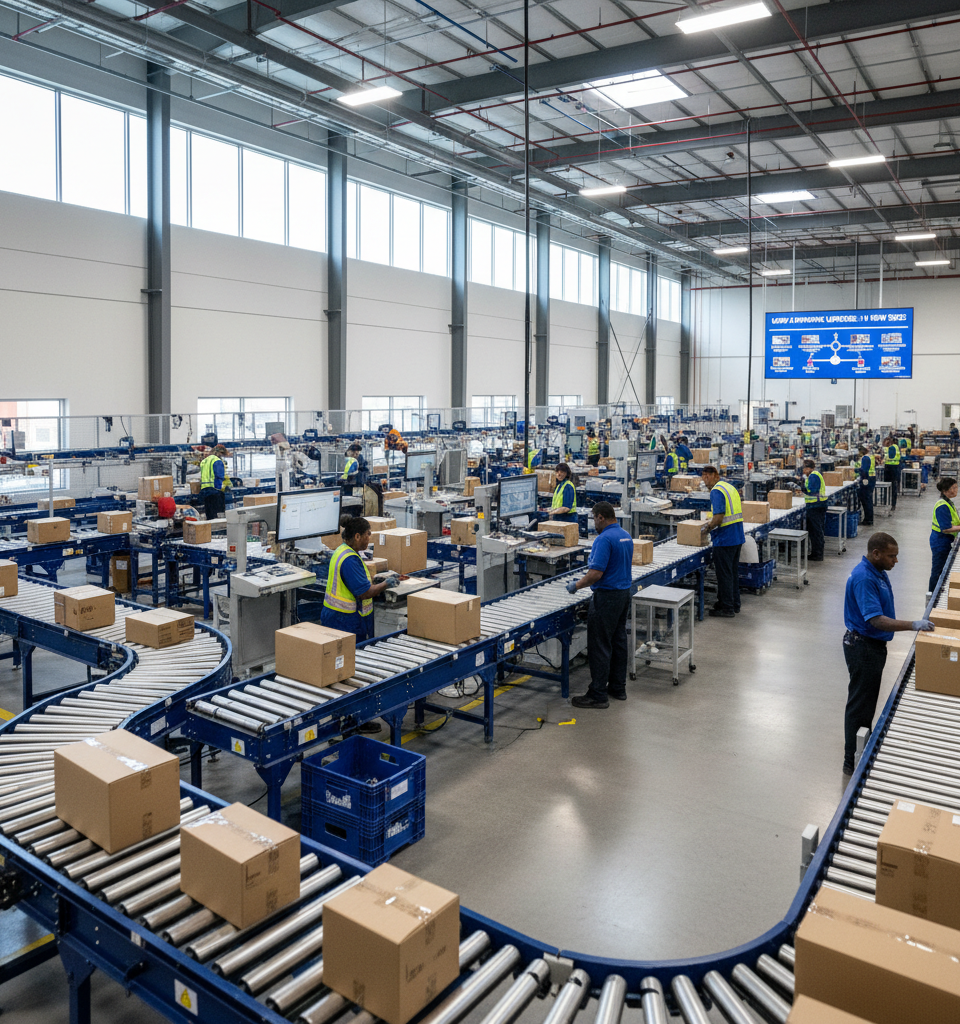
The United States Postal Service (USPS) is pressing forward with its comprehensive network modernization initiative, announcing the establishment of 14 new Sorting & Delivery Centers (S&DCs) slated to open by July. This expansion, targeting high-growth areas including Miami, Florida, and Phoenix, Arizona, is a cornerstone of the USPS's "Delivering for America" plan, designed to streamline mail and package processing, enhance delivery speed, and reduce operational costs across the nation's vast postal infrastructure.
Context and Strategic Imperative
This aggressive rollout is a direct response to the evolving demands of the modern logistics landscape. Once primarily a mail-centric organization, the USPS has seen a dramatic shift towards package delivery, driven by the e-commerce boom. The existing network, largely designed for letter mail, has struggled to adapt efficiently, leading to delays and increased expenses. The "Delivering for America" plan, unveiled in 2021, is a multi-billion dollar, 10-year strategic blueprint to reverse these trends, aiming for financial self-sufficiency and improved service. The new S&DCs represent a fundamental rethinking of postal logistics, consolidating sorting operations previously spread across smaller, older facilities into larger, technologically advanced hubs.
Key Details and Operational Benefits
Each S&DC serves as a central hub for mail and package processing and final mile delivery for a cluster of surrounding post offices, reducing the need for carriers to return to their individual stations for sorting. This consolidation is projected to yield substantial efficiencies. According to USPS officials, the new model will allow for longer street time for letter carriers, enhancing their ability to service routes and potentially accommodating greater package volumes without needing proportional increases in staff. The facilities are equipped with advanced automated sorting equipment, capable of processing tens of thousands of parcels per hour, a significant upgrade from manual or semi-automated processes. While specific investment figures for these 14 centers were not disclosed, the broader modernization plan allocates billions to facility upgrades and automation.
Industry and Market Impact
This strategic pivot by the USPS has broad implications for the entire logistics and e-commerce ecosystem. For online retailers, improved USPS reliability could translate into more consistent delivery times and potentially lower shipping costs, especially for last-mile delivery in rural or less densely populated areas where private carriers often face higher operational hurdles. Competitors like FedEx and UPS are closely monitoring these developments, as a more efficient USPS could intensify competition, particularly in the ground and economy shipping segments. The modernization efforts could also alleviate some strain on overwhelmed supply chains, offering a more resilient and integrated national delivery framework.
Expert Perspectives
Logistics experts largely view the S&DC rollout as a necessary and overdue transformation. "The USPS has been operating on a mid-20th-century infrastructure in a 21st-century economy," commented Dr. Eleanor Vance, a supply chain analyst. "These S&DCs are crucial for bringing their capabilities up to par with contemporary logistical demands. The challenge will be execution and integration without disrupting existing services." Other analysts point to the potential for significant cost reductions – projected to be in the billions annually once fully implemented – which are vital for the financially beleaguered agency. However, some union representatives have expressed concerns regarding potential job reassignments and the impact on local post offices that may see reduced operational scope.
The Road Ahead: Future Implications
The launch of these 14 S&DCs marks an important milestone, but it is merely one phase of a much larger, ongoing overhaul. The USPS plans to establish approximately 400 S&DCs nationwide over the next several years, fundamentally reshaping its operational footprint. Future developments will also include the deployment of a new fleet of delivery vehicles, including electric models, further improving efficiency and reducing environmental impact. The success of this ambitious transformation will hinge on seamless technological integration, workforce adaptation, and sustained investment, all while maintaining daily postal services for millions of Americans and businesses. The coming months will be critical in demonstrating the tangible benefits of these new facilities and solidifying the USPS's role as an indispensable component of the nation's economy.