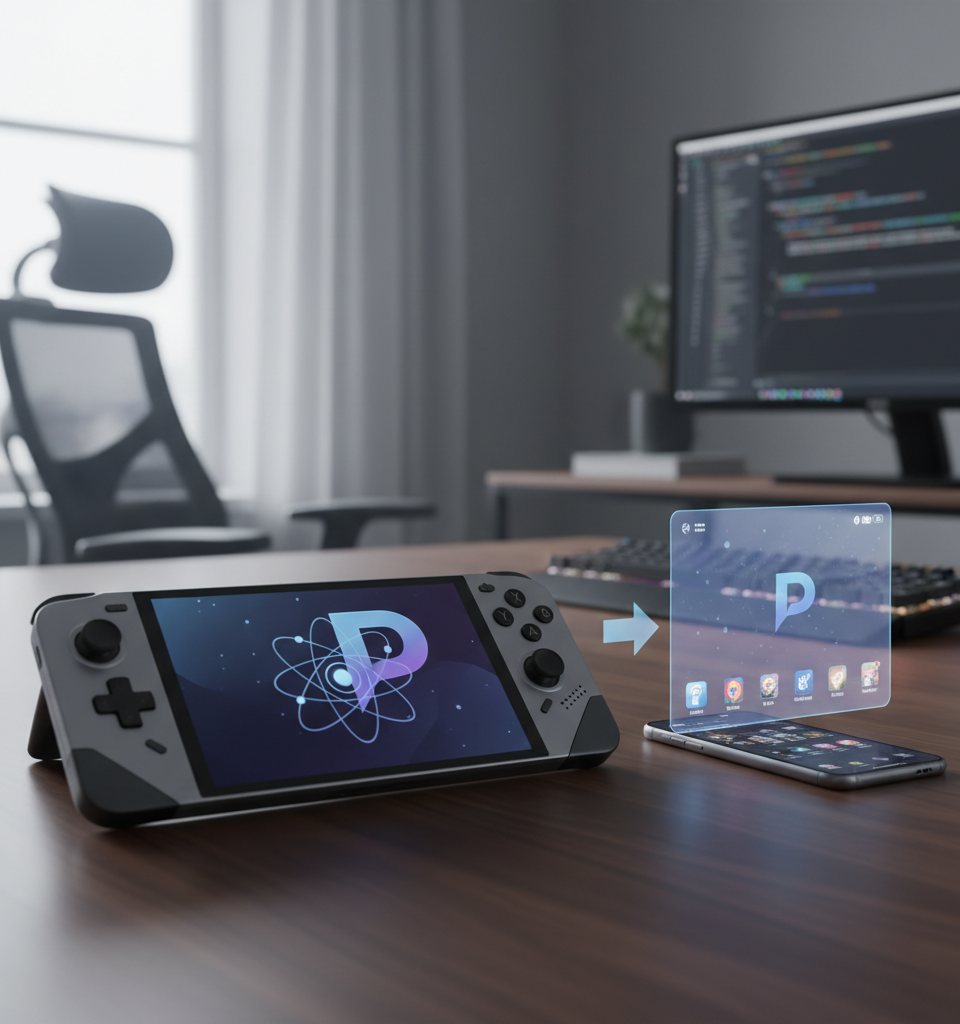
Valve Corporation has rolled out a major update to its Proton compatibility layer, a move that analysts predict could herald a new era for PC gaming on Android devices, particularly on the burgeoning market of Android-based gaming handhelds. This latest iteration of Proton is expected to bridge performance gaps and enhance the overall gaming experience for a wide array of Windows-native titles when run on the Android operating system.
The significance of this update extends beyond mere technical improvements; it represents a strategic push by Valve to broaden the reach of PC gaming beyond traditional desktop and laptop environments. By optimizing Proton for Android, Valve is directly addressing the growing demand for flexible and portable gaming solutions that do not compromise on game variety or quality. The company's continued investment in Proton underscores its commitment to open-source software and cross-platform compatibility.
Unlocking PC Gaming on Android
Historically, running PC games on Android devices has been a challenge, often plagued by compatibility issues, performance bottlenecks, and a lack of standardized support. While some cloud-streaming solutions offer a workaround, native execution provides superior responsiveness and does not rely on a persistent high-bandwidth internet connection. This new Proton update is designed to tackle these fundamental obstacles, leveraging advancements in underlying Linux kernel technologies and Vulkan API optimizations to translate Windows game instructions more efficiently for Android's architecture.
Specific technical enhancements within the update include improved DirectX to Vulkan translation layers, which are crucial for rendering modern PC games, and better handling of game-specific anti-cheat software, a notorious hurdle for compatibility layers. Furthermore, the update is said to feature advanced input remapping capabilities, which will be vital for adapting complex PC control schemes to touchscreens and the specialized controllers found on gaming handhelds. These granular improvements collectively aim to deliver a much smoother and more reliable gaming experience.
Market Implications for Android Handhelds
The impact on Android gaming handhelds is anticipated to be particularly profound. Devices such as the Razer Edge, Logitech G Cloud, and upcoming competitors stand to benefit immensely from this upgrade. Without a robust compatibility layer like Proton, these handhelds are largely limited to native Android games or cloud streaming; with enhanced Proton support, their utility could expand exponentially, allowing them to tap into the vast library of PC titles. This could transform these devices from niche streaming platforms or Android game consoles into formidable portable PC gaming machines, directly challenging concepts like Valve's own Steam Deck through a different hardware ecosystem.
This development could also spur greater innovation within the Android hardware market. Should Proton's performance on Android prove compelling, manufacturers may be incentivized to design future handhelds with more powerful processors, advanced cooling systems, and optimized drivers specifically tailored to facilitate a superior PC gaming experience via Proton. This potential arms race could ultimately benefit consumers by offering more diverse and powerful handheld gaming options.
Broader Industry Shifts and Future Outlook
The ripple effects of this Proton update are not confined to just handhelds. The potential for more accessible PC gaming on Android tablets and even high-end smartphones via external displays and controllers could open up new avenues for casual and hardcore gamers alike. Publishers might also take notice, potentially optimizing their future PC titles for better compatibility with Proton on Android, recognizing a growing addressable market.
Looking ahead, the success of this Proton update could pave the way for further integration of PC gaming ecosystems within Android. There is potential for Valve to offer more direct support or even specialized versions of Steam tailored for Android devices running Proton, creating a more seamless user experience. While the full extent of this update's impact will unfold in the coming months as developers and users test its capabilities, the initial outlook suggests a significant step forward in making PC gaming truly portable and ubiquitous across the Android ecosystem.